
Introduction
Weighted vest training has become one of the most effective and accessible ways to increase workout intensity without needing complicated equipment. Whether your goal is fat loss, strength development, or improved endurance, a weighted vest can add scalable resistance to nearly any bodyweight exercise or cardio routine.
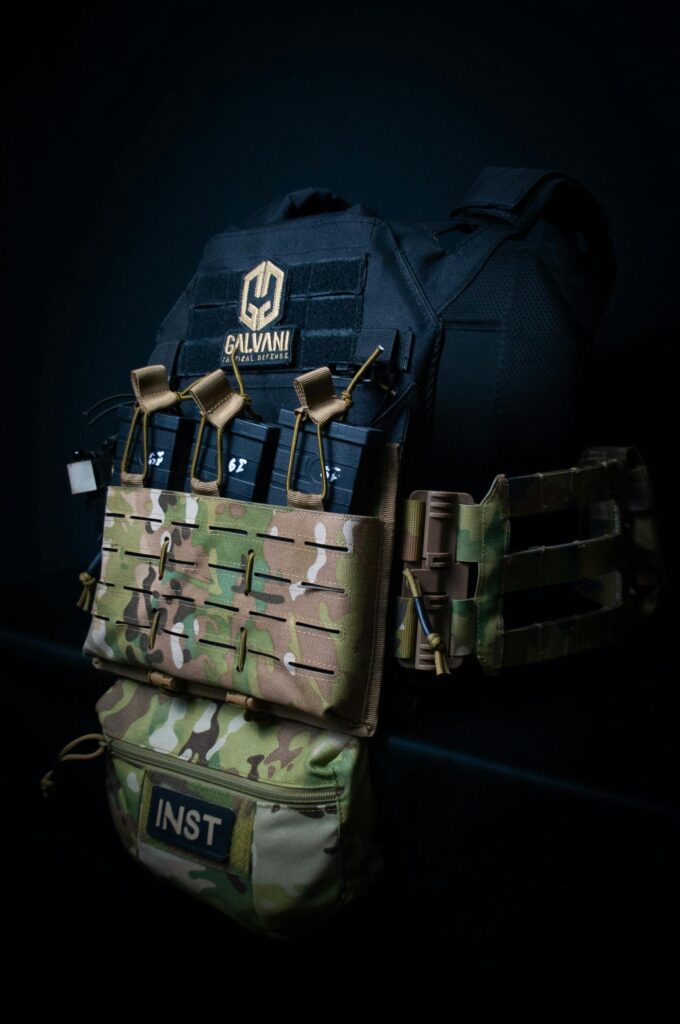
This guide breaks down everything you need to know about weighted vest training, including benefits, how to choose the right weight, safety considerations, and programming strategies for beginners and advanced users.
Need recommendations on Weight Vests from a reliable source? Here’s a comparison of the Best Weighted Vests on Amazon.
Table of Contents
What Is a Weighted Vest?
A weighted vest is a fitness tool worn on the torso that adds external resistance to bodyweight movements. It distributes weight evenly across the upper body, allowing you to increase training intensity without changing your exercise form dramatically.
Most weighted vests use removable steel or sand-filled weights, giving users the ability to adjust resistance over time.
Common uses include:
- Walking or hiking
- Running or sprint training
- Bodyweight strength exercises (push-ups, pull-ups, squats)
- HIIT workouts
Benefits of Weighted Vest Training
1. Fat Loss and Calorie Burn
Adding extra resistance increases energy expenditure. Even simple activities like walking or stair climbing burn significantly more calories when wearing a weighted vest.
2. Strength Development
Weighted vests increase load on muscles during compound movements, helping build strength in the legs, core, chest, and back.
3. Endurance and Cardiovascular Conditioning
Training with added resistance forces the heart and lungs to work harder, improving overall cardiovascular fitness over time.
4. Bone Density and Joint Health
Resistance training with controlled load may help support bone density and improve joint resilience when used properly.
5. Functional Fitness
Weighted vest training mimics real-world load carrying, improving overall functional strength and athletic performance.
How to Choose the Right Weight (IMPORTANT)
Choosing the correct weight is the most important factor in safe and effective training.
General Guidelines:
- Beginners: 5–10% of body weight
- Intermediate: 10–15% of body weight
- Advanced: 15–20% of body weight
Example:
If you weigh 180 lbs:
- Beginner range: 9–18 lbs
- Intermediate range: 18–27 lbs
- Advanced range: 27–36 lbs
Key Considerations:
- Start lighter than you think you need
- Prioritize form over load
- Choose adjustable vests for progression
- Avoid maxing out weight too early
Safety Considerations
Weighted vest training is effective, but improper use can lead to strain or injury.
Safety Tips:
- Maintain proper posture during all exercises
- Avoid excessive weight during running if new to training
- Do not use if recovering from lower back or joint injuries without clearance
- Gradually increase duration and load
- Ensure vest fits snugly to avoid shifting weight
Common Mistakes:
- Starting with too much weight
- Using poor form under fatigue
- Wearing vest for long durations without adaptation
Who Should Use a Weighted Vest?
Ideal For:
- Beginners looking to increase calorie burn
- Athletes improving conditioning
- People training for endurance events
- Individuals wanting to progress bodyweight exercises
Who Should Be Cautious:
- People with knee, hip, or lower back issues
- Beginners with no base fitness level
- Individuals recovering from injury
Beginner vs Advanced Usage
Beginner Approach:
- Use 5–10% body weight
- Limit sessions to 15–30 minutes
- Focus on walking, incline walking, and basic bodyweight movements
- 2–3 sessions per week
Advanced Approach:
- Use 10–20% body weight
- Incorporate HIIT workouts and sprint intervals
- Add weighted calisthenics (pull-ups, push-ups, dips)
- Use vest in longer endurance sessions or training blocks
Sample Weighted Vest Workouts
Beginner Workout:
- 20-minute brisk walk
- 3 sets of 10 push-ups
- 3 sets of 12 bodyweight squats
Intermediate Workout:
- 30-minute incline walk
- 4 rounds:
- 10 push-ups
- 15 squats
- 10 lunges per leg
Advanced Workout:
- 5 rounds:
- 400m run or sprint
- 10 pull-ups
- 20 push-ups
- 20 walking lunges
FAQs
Are weighted vests good for fat loss?
Yes, they increase calorie burn during both cardio and strength training, making fat loss more efficient when combined with proper nutrition.
Can I run with a weighted vest?
Yes, but start light. Running with heavy vests can increase joint stress, especially for beginners.
How often should I use a weighted vest?
2–4 times per week is ideal for most people, depending on recovery and intensity.
What exercises work best with a weighted vest?
Walking, squats, push-ups, lunges, stair climbing, and controlled cardio movements work best.
Is a heavier vest always better?
No. Heavier is not better if it compromises form or recovery. Progressive overload should be gradual.
Conclusion
Weighted vest training is a powerful, scalable method to improve fat loss, strength, and endurance without needing complex equipment. The key to success is starting light, progressing gradually, and using proper form consistently. When used correctly, a weighted vest can become a long-term tool for improving overall fitness and performance.