
Sleep and Weight Loss: How Fixing My Sleep Helped Me Lose 50 Pounds
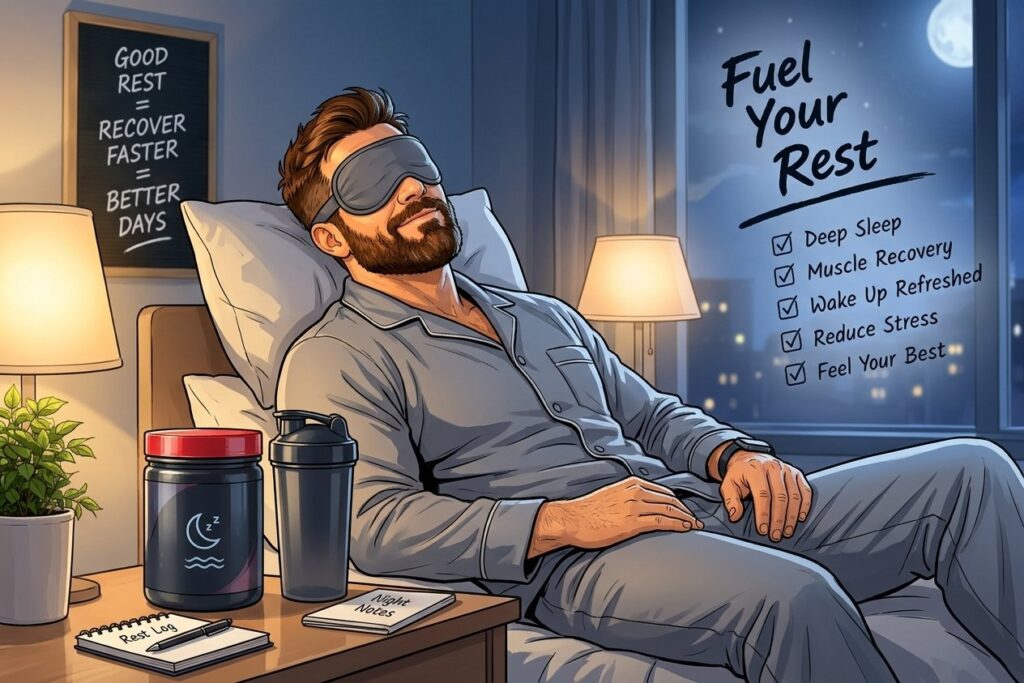
Before I lost 50 pounds, my sleep was a mess. I stayed up late, sometimes past midnight. I snored really bad, and I had acid reflux at night.
Today I go to bed around 9:30 and get up around 5:30, so I get 7 to 8 hours most nights. I don’t have reflux at night anymore, and my snoring has gone down significantly. Sleep is probably the most important part of my health now, and here’s why it matters so much for weight loss.
Quick answer (updated October 2026): Poor sleep makes weight loss harder because it increases cravings and calorie intake and can cause you to lose more muscle and less fat while dieting. Aim for 7 or more hours a night on a consistent schedule, keep your bedroom cool and dark, put your phone away an hour before bed, and avoid caffeine and late meals in the evening.
Table of Contents
How Sleep Affects Weight Loss
The research here is some of the clearest in all of weight loss:
- Less sleep means more of the weight you lose comes from muscle. When dieters slept 5.5 hours instead of 8.5 hours, they lost about the same weight, but 55% less of it was fat (Nedeltcheva et al., Annals of Internal Medicine, 2010).
- Sleep loss makes junk food more tempting. Brain scans show that after a night without sleep, people want high-calorie foods more (Greer et al., Nature Communications, 2013).
- Sleeping more can cut calories without trying. In a randomized trial, adults who usually slept under 6.5 hours added about an hour of sleep and ate roughly 270 fewer calories per day, without any diet instructions (Tasali et al., JAMA Internal Medicine, 2022).
That matches what I feel. When I don’t get enough sleep, I absolutely crave sweets and just want to eat whatever. I’m also very sleepy, which makes it harder to stay active.
My Sleep Routine (What Actually Works)
With four kids and two jobs, it’s not easy, but we make sure to turn everything off and stick to a 9:30 bedtime as much as possible. My Apple Watch helps too. It reminds me when it’s time to wind down and put my phone away (here’s how I use my Apple Watch for weight loss). These are the rules I follow:
| Habit | My rule |
|---|---|
| Bedtime and wake time | About 9:30 pm to 5:30 am, 7 to 8 hours |
| Caffeine | None after 3 pm |
| Food | Nothing in the 3 hours before bed |
| Phone | Put away 1 hour before sleep |
| Bedroom temperature | AC turned down below 70°F |
| Light | A sleep mask every night |
| Supplement | Magnesium glycinate about an hour before bed |
| Snoring | A snoring mouthpiece |
The Biggest Sleep Mistakes
The two biggest mistakes I see are staying on your phone in bed and sleeping in a hot room.
- Your phone: scrolling keeps your brain busy and pushes bedtime later. Putting it away an hour before sleep is one of the easiest changes you can make.
- A hot room: your body needs to cool down to fall asleep, and a warm bedroom makes that harder. I keep the AC below 70°F at night and wear a sleep mask to block out light.
Sleep, Snoring and Acid Reflux
Losing weight made a big difference for me here. My nighttime acid reflux is gone, and my snoring has diminished significantly. I also use a snoring mouthpiece. The one I started with is the Difiney Anti Snoring Device, and you can see how it compares to other options in my best snoring mouthpiece guide.
If your snoring is loud and you stop breathing, gasp or feel exhausted during the day, talk to your doctor about sleep apnea before trying a mouthpiece. Snoring can be a sign of something more serious. For more on comfort and safety, see are anti-snoring mouthpieces safe and mouth tape vs. mouthpiece.
Magnesium Glycinate for Sleep
I take magnesium glycinate about an hour before bed. Right now it’s Nature’s Way Magnesium Glycinate, but I’ve also used Nutricost Magnesium Glycinate and store brands.
To be honest about the research: the evidence is limited. A review of studies in older adults found magnesium may help people fall asleep a little faster, but the quality of the evidence was low (Mah and Pitre, 2021). It’s a small part of my routine, not the main thing. Check with your doctor before starting it, especially if you have kidney problems or take other medications.
Affiliate Disclosure: As an Amazon Associate, I earn from qualifying purchases. This means if you click on a link and make a purchase, I may receive a small commission at no extra cost to you.
How to Start Sleeping Better This Week
- Pick a bedtime that gives you 7 or more hours and keep it, even on weekends when you can.
- Stop caffeine by mid-afternoon.
- Finish your last meal 2 to 3 hours before bed.
- Put your phone away an hour before sleep.
- Cool the room down and block out light with curtains or a sleep mask.
- If you snore, look into the cause, and see a doctor if you suspect sleep apnea.
Sleep works best alongside the basics: a calorie deficit and daily movement. Start with my calorie calculator, and see mindful eating for weight loss for handling those tired-day cravings.
Sleep and Weight Loss FAQ
Can lack of sleep stop you from losing weight?
It can make it much harder. Short sleep increases cravings and calorie intake, and in one study dieters who slept 5.5 hours lost 55% less fat than when they slept 8.5 hours.
How many hours of sleep do you need to lose weight?
Most adults should aim for at least 7 hours a night. I get 7 to 8 hours by going to bed around 9:30 and waking around 5:30.
Does sleeping more help you eat less?
It can. In a 2022 trial, people who added about an hour of sleep ate around 270 fewer calories a day without changing anything else.
Why do I crave sweets when I’m tired?
Sleep loss increases your brain’s desire for high-calorie foods. I notice it myself: after a bad night, I crave sweets and want to eat whatever.
Can losing weight help snoring and acid reflux?
It did for me. After losing 50 pounds, my nighttime reflux went away and my snoring dropped significantly. If you have loud snoring or symptoms of sleep apnea, talk to your doctor.
Does magnesium help you sleep?
The evidence is limited. Some studies suggest it may help you fall asleep slightly faster. I take magnesium glycinate an hour before bed, but check with your doctor before starting it.
Final Thoughts
If a friend asked me how sleep affects weight loss, I’d tell them: sleep is probably the most important part of your health. With bad sleep, it’s near impossible to be healthy and lose weight, and starting with great sleep can help tremendously.


9 Comments