
In the sprawling landscape of the World Wide Web, our “Best of Reviews” page is your guide to the crème de la crème of nutrition information. As a nutrition coach myself, I understand the importance of quality guidance in achieving health and wellness goals.
First, immerse yourself in our carefully curated collection of reviews, highlighting the standout professionals and businesses that have garnered acclaim for their commitment to nutritional excellence. Each entry on our list represents a testament to their effectiveness in transforming lives through personalized nutrition plans.
Next, embark on a journey through real testimonials, where clients share their experiences and triumphs under the guidance of these exceptional nutrition coaches. From weight management to performance enhancement, our reviews showcase the diverse expertise of these top-rated professionals.
Now, whether you’re a local resident seeking the best nutrition coach in Arlington or a visitor looking for trusted recommendations, our “Best of Reviews” page is your go-to resource. Dive into the authentic narratives of those who have experienced firsthand the impact of these esteemed nutrition experts.
Finally, celebrate success stories, discover hidden gems, and make informed decisions about your health journey with our comprehensive reviews.
To lose 10 pounds in a month is one of the most common fitness goals, but if you search the internet, you’ll find a lot of dangerous advice. Extreme crash diets and exhausting 3-hour workouts might give you quick results, but they usually lead to burnout, muscle loss, and gaining the weight right back.
At me-fitter.com, we believe in getting fitter the right way.
Losing 10 pounds in 30 days is ambitious, but entirely possible. It requires a steady, disciplined approach that combines a smart diet, targeted movement, and lifestyle tweaks. Here is your science-backed blueprint to hit your goal safely and keep the weight off for good.
Table of Contents
The Math Behind Losing 10 Pounds
To lose 10 pounds in a month, you must create a calorie deficit, meaning you burn more calories than you consume.
Generally, one pound of fat equates to roughly 3,500 calories. To lose 10 pounds in a month, you need to shed about 2.5 pounds per week, which requires a daily deficit of roughly 1,250 calories.
A Quick Reality Check: A 1,250-calorie deficit purely from food is too drastic and unsafe. The secret is splitting the difference: cut some calories from your diet and burn the rest through increased physical activity.
Refer to this Article from Science Focus for more scientific information.
1. Dial In Your Nutrition (Without Starving)
You can’t out-exercise a bad diet. To lose 10 pounds in a month, focus on high-volume, nutrient-dense foods that keep you full.
Prioritize Lean Protein:Protein is your secret weapon. It boosts your metabolism through the thermic effect of food and keeps you satiated. Fill your plate with chicken breast, fish, tofu, eggs, and Greek yogurt.
Load Up on Fiber: Vegetables, berries, legumes, and whole grains slow down digestion. This prevents blood sugar spikes and keeps random cravings at bay.
Track Your Intake: Use a tracking app for just one week. You’ll be shocked at how quickly “healthy” handfuls of nuts, cooking oils, and liquid calories add up.
Ditch Liquid Calories: Swap sodas, sugary coffees, and alcohol for water, black coffee, or herbal teas. This adjustment alone can easily cut 300 to 500 calories a day.
2. Optimize Your Workout Routine
To maximize fat loss while preserving lean muscle, you need a mix of strength training and cardio.
Muscle tissue burns more calories at rest than fat tissue. Focus on compound movements that recruit multiple muscle groups at once, such as:
Squats and Lunges
Push-ups or Bench Presses
Rows and Lat Pulldowns
Increase Your NEAT (Non-Exercise Activity Thermogenesis)
Structured workouts are great, but the movement you do outside the gym matters just as much. NEAT includes walking, cleaning, and pacing. Aim for 8,000 to 10,000 steps a day. Taking a 10-minute walk after each meal is an effortless way to hit this target.
Add Strategic Cardio
You don’t need to run marathons. Add 20 to 30 minutes of moderate-intensity cardio (like brisk walking on an incline or cycling) after your weight sessions, or sprinkle in two short HIIT (High-Intensity Interval Training) sessions a week.
3. Master the “Invisible” Weight Loss Factors
If your diet and exercise are perfect but you aren’t losing weight, your lifestyle habits might be sabotaging you.
Get 7–8 Hours of Sleep: Sleep deprivation spikes cortisol (the stress hormone) and ghrelin (the hunger hormone). When you are exhausted, your brain actively craves high-calorie, sugary foods.
Manage Your Stress: Chronic stress triggers emotional eating and causes your body to hold onto visceral fat. Practice mindfulness, deep breathing, or simple outdoor walks to decompress.
Hydrate Consistently: Mild dehydration is often mistaken for hunger. Drink a large glass of water 30 minutes before every meal to naturally control your portion sizes.
A Realistic 4-Week Timeline
Weight loss isn’t a straight line. Here is what you can realistically expect over the next 30 days:
Week
What’s Happening to Your Body
Week 1
The Initial Drop: You might lose 3–4 pounds quickly. This is mostly water weight and reduced bloating as you cut back on carbs and sodium.
Week 2
The Adjustment Phase: Weight loss might slow down to 1–2 pounds. Your body is adapting to the calorie deficit. Stay consistent!
Week 3
The Fat-Burning Zone: You’ll start noticing changes in how your clothes fit. Energy levels should stabilize as your metabolism adjusts.
Week 4
The Home Stretch: By keeping your habits tight, you will approach or hit that 10-pound mark, feeling lighter, tighter, and more energized.
Bottom Line: Consistency Wins
Can you lose 10 pounds in a month? Yes. But remember that the number on the scale is only one metric of success. If you lose 8 pounds of pure fat and build lean muscle, you will look and feel much better than if you starved yourself to lose 12 pounds of water and muscle.
Treat this month as the kickoff to a healthier, sustainable lifestyle. Focus on daily habits, celebrate the small wins, and let me-fitter.com guide you every step of the way.
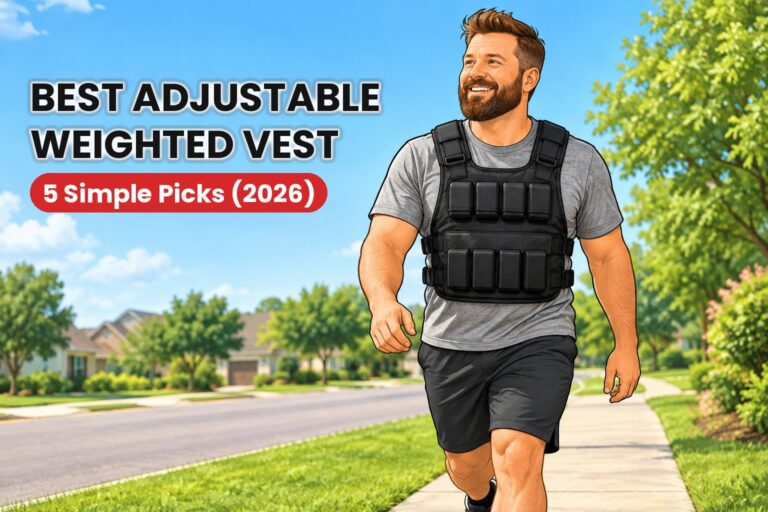
Over time, I found that beginner weighted vest workouts don’t need to be complicated to be effective. The exercises below focus on everyday movement patterns that build strength, improve conditioning, and support fat loss without overwhelming beginners or increasing injury risk.
When I first started using a weighted vest, I made the mistake most beginners make—doing too much, too fast. A weighted vest isn’t meant to turn every workout into a max‑effort session. Instead, it’s a tool that works best when combined with simple movements, good form, and consistency.
This guide covers simple weighted vest exercises, how to structure workouts, and how to get started safely.
Yes, weighted vest workouts are beginner‑friendly when started with light weight and simple exercises. Beginners benefit most by using a vest during walking, squats, push‑ups, and basic circuits while focusing on good posture and controlled movement before increasing load.
How heavy should a weighted vest be for beginners?
Beginners should start with a weighted vest that is about 5–10% of body weight. This allows the body to adapt safely while improving strength and conditioning. The weight can gradually increase after a few weeks of consistent, pain‑free training.
Can weighted vest workouts help with fat loss?
Weighted vest workouts can support fat loss by increasing calorie burn during walking and bodyweight exercises. The added resistance raises heart rate and energy expenditure without requiring longer or higher‑impact workouts, making them effective for sustainable, low‑stress fat‑loss routines.
What are the best weighted vest exercises for beginners?
The best beginner weighted vest exercises include walking, squats, lunges, step‑ups, push‑ups, and planks. These movements use natural patterns, build full‑body strength, and allow beginners to progress safely without complex techniques or excessive joint stress.
How often should beginners do weighted vest workouts?
Beginners should perform weighted vest workouts 2–3 times per week, allowing rest days between sessions. This frequency supports adaptation and recovery while reducing the risk of overuse injuries, especially when combining weighted vest training with walking or basic strength exercises.
Is it safe to walk every day with a weighted vest?
Walking daily with a weighted vest can be safe if the weight is light, posture is maintained, and sessions are moderate in length. Beginners should avoid wearing a vest all day and gradually build duration to prevent joint or lower‑back discomfort.
Should beginners use weighted vests for running?
Running with a weighted vest is not recommended for beginners. The increased impact and loading can stress joints and connective tissue. Beginners should focus on walking and strength‑based weighted vest exercises before considering higher‑impact activities.
Final Thoughts: Are Weighted Vest Workouts Good for Beginners?
Yes — when done correctly. The best weighted vest workouts for beginners focus on simple movements, moderate loads, and steady progress. Walking, bodyweight exercises, and short circuits provide plenty of challenge without unnecessary risk.
If you’re looking for a way to increase workout intensity while keeping things simple, weighted vest training is one of the most beginner‑friendly options available.
Over time, walking with a weighted vest became one of the simplest tools I used to increase difficulty, improve conditioning, and support fat loss—without needing longer workouts or complicated programs. This article breaks down the weighted vest benefits, how they apply specifically to walking, fat loss, and strength, and who should (and shouldn’t) consider using one.
When I first started incorporating a weighted vest into my routine, it wasn’t for extreme workouts or flashy training methods. It was mainly for walking. At that point in my weight‑loss journey, consistency mattered far more than intensity, and I was looking for a way to gradually increase my calorie burn and strength without beating up my joints or risking burnout.
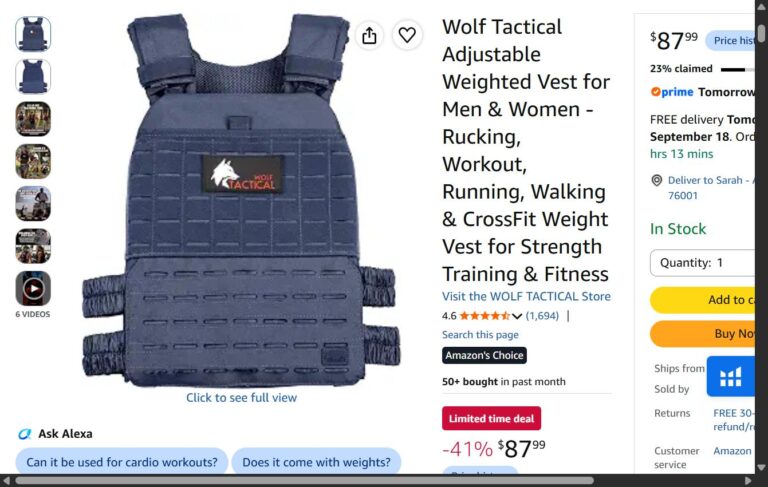
A weighted vest is a training tool designed to add external load evenly across your torso. Unlike holding dumbbells or wearing a backpack, a properly fitted weighted vest distributes weight close to your center of gravity, allowing you to move naturally while increasing resistance.
Weighted vests are commonly used for:
Walking and hiking
Bodyweight strength training
Cardio conditioning
Low‑impact fat‑loss routines
✅ Weighted Vest Benefits for Walking
Best for: Low‑impact progression, daily activity, beginners
One of the biggest benefits of a weighted vest is how well it pairs with walking. Walking already provides cardiovascular and metabolic benefits, and adding weight simply makes that same activity more demanding without changing the movement itself.
Key weighted vest benefits when walking:
Increased calorie expenditure without increasing pace
Higher heart rate during steady‑state walks
Improved posture and core engagement
More time under tension for lower‑body muscles
For people who don’t enjoy running or high‑impact cardio, walking with a weighted vest is one of the easiest ways to make daily movement more effective while keeping stress on the joints low.
✅ Weighted Vest Benefits for Fat Loss
Best for: Sustainable calorie burn, consistency, plateaus
Fat loss ultimately comes down to maintaining a calorie deficit over time. A weighted vest helps by increasing the energy cost of movements you’re already doing, especially walking, light workouts, and daily activity.
How a weighted vest supports fat loss:
Raises total daily energy expenditure
Adds resistance without increasing workout duration
Encourages consistency by keeping workouts manageable
Helps break plateaus without extreme cardio
Instead of doing more workouts or longer sessions, wearing a vest allows small, repeatable increases in intensity—an approach that’s far easier to maintain long‑term.
✅ Benefits of Weighted Vests for Strength
Best for: Functional strength, posture, muscular endurance
Although weighted vests are often associated with cardio, they also provide meaningful strength benefits—especially when used during bodyweight exercises.
Strength‑focused benefits:
Improves lower‑body strength through loaded walking
Builds core and postural strength through sustained load
Enhances muscular endurance
Reinforces proper movement mechanics
Because the weight is carried close to the body, weighted vests challenge stabilizing muscles without dramatically altering natural movement patterns, making them useful for everyday strength development.
How I Used a Weighted Vest in My Routine
For me, the biggest benefit came from walking with a weighted vest during low‑intensity sessions. I started light, focused on posture and comfort, and gradually increased load as my conditioning improved. I didn’t use the vest every day, and I avoided overloading early on.
The vest was never the “solution” on its own—it worked because it fit into a broader approach focused on daily movement, manageable nutrition, and long‑term sustainability.
Who Should Use a Weighted Vest (And Who Should Avoid It)
✅ Good fit if you:
Prefer walking over running
Want low‑impact fat‑loss tools
Are building consistency first
Want gradual intensity increases
❌ Not ideal if you:
Jump straight to heavy loads
Have unresolved joint or back issues
Use it for long runs without adaptation
Ignore posture and recovery
Like most tools, weighted vests are effective when used thoughtfully—not aggressively.
When used appropriately, the benefits of weighted vests extend well beyond simple calorie burn. They make walking more effective, support fat loss without extreme methods, and build functional strength in a way that feels sustainable.
If your goal is long‑term progress—especially through walking and low‑impact movement—a weighted vest can be a valuable addition when paired with a realistic plan and consistent habits.
During my weight loss journey, YouTube was one of the biggest tools I used to stay consistent—especially on days I didn’t want to leave the house. These are the weight loss YouTube channels I actually followed, not just popular names, and why each one worked for me at different stages.
YouTube alone didn’t drive my weight loss. I paired these channels with daily walking, basic resistance training, and a simple calorie‑aware diet. Consistency mattered more than intensity. Below is a list of the best weight loss YouTube channels that helped me get my life back.
– Who it’s best for: Anyone looking for longevity research and protocols
– Why it works: Because ben does his research and goes into great detail
– When I used it / how it fit my routine: Helped me use supplements correctly
– Who should skip it: Those looking for a more simple plan.
What YouTube Can’t Do Alone
– YouTube won’t fix nutrition
– Random workouts won’t beat consistency
– Motivation fades without structure
If you’re looking for extreme transformations or overnight results, these channels probably won’t be what you want. But if you want sustainable, beginner‑friendly ways to stay active, they work extremely well. They did for me!
Follow My Plan to get the exact protocol for how I lost over 50 pounds in just a few months.
Weighted vest training has become one of the most effective and accessible ways to increase workout intensity without needing complicated equipment. Whether your goal is fat loss, strength development, or improved endurance, a weighted vest can add scalable resistance to nearly any bodyweight exercise or cardio routine.
This guide breaks down everything you need to know about weighted vest training, including benefits, how to choose the right weight, safety considerations, and programming strategies for beginners and advanced users.
A weighted vest is a fitness tool worn on the torso that adds external resistance to bodyweight movements. It distributes weight evenly across the upper body, allowing you to increase training intensity without changing your exercise form dramatically.
Most weighted vests use removable steel or sand-filled weights, giving users the ability to adjust resistance over time.
Adding extra resistance increases energy expenditure. Even simple activities like walking or stair climbing burn significantly more calories when wearing a weighted vest.
2. Strength Development
Weighted vests increase load on muscles during compound movements, helping build strength in the legs, core, chest, and back.
3. Endurance and Cardiovascular Conditioning
Training with added resistance forces the heart and lungs to work harder, improving overall cardiovascular fitness over time.
4. Bone Density and Joint Health
Resistance training with controlled load may help support bone density and improve joint resilience when used properly.
5. Functional Fitness
Weighted vest training mimics real-world load carrying, improving overall functional strength and athletic performance.
How to Choose the Right Weight (IMPORTANT)
Choosing the correct weight is the most important factor in safe and effective training.
General Guidelines:
Beginners: 5–10% of body weight
Intermediate: 10–15% of body weight
Advanced: 15–20% of body weight
Example:
If you weigh 180 lbs:
Beginner range: 9–18 lbs
Intermediate range: 18–27 lbs
Advanced range: 27–36 lbs
Key Considerations:
Start lighter than you think you need
Prioritize form over load
Choose adjustable vests for progression
Avoid maxing out weight too early
Safety Considerations
Weighted vest training is effective, but improper use can lead to strain or injury.
Safety Tips:
Maintain proper posture during all exercises
Avoid excessive weight during running if new to training
Do not use if recovering from lower back or joint injuries without clearance
Gradually increase duration and load
Ensure vest fits snugly to avoid shifting weight
Common Mistakes:
Starting with too much weight
Using poor form under fatigue
Wearing vest for long durations without adaptation
Who Should Use a Weighted Vest?
Ideal For:
Beginners looking to increase calorie burn
Athletes improving conditioning
People training for endurance events
Individuals wanting to progress bodyweight exercises
Who Should Be Cautious:
People with knee, hip, or lower back issues
Beginners with no base fitness level
Individuals recovering from injury
Beginner vs Advanced Usage
Beginner Approach:
Use 5–10% body weight
Limit sessions to 15–30 minutes
Focus on walking, incline walking, and basic bodyweight movements
Use vest in longer endurance sessions or training blocks
Sample Weighted Vest Workouts
Beginner Workout:
20-minute brisk walk
3 sets of 10 push-ups
3 sets of 12 bodyweight squats
Intermediate Workout:
30-minute incline walk
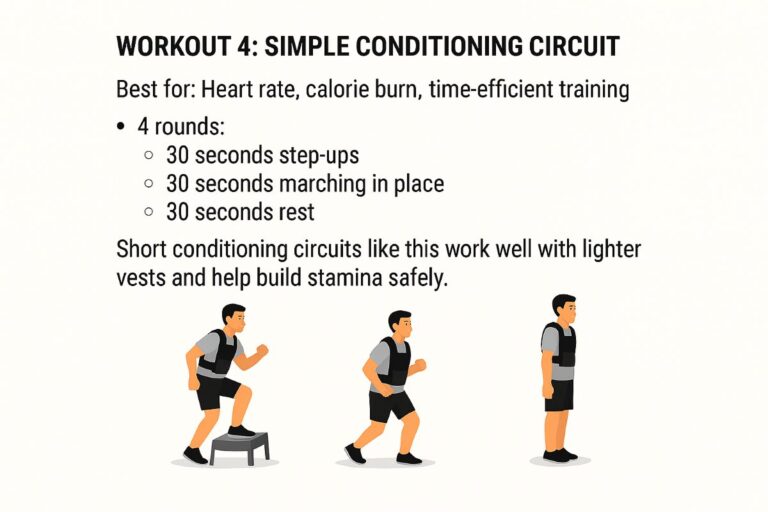
4 rounds:
10 push-ups
15 squats
10 lunges per leg
Advanced Workout:
5 rounds:
400m run or sprint
10 pull-ups
20 push-ups
20 walking lunges
FAQs
Are weighted vests good for fat loss?
Yes, they increase calorie burn during both cardio and strength training, making fat loss more efficient when combined with proper nutrition.
Can I run with a weighted vest?
Yes, but start light. Running with heavy vests can increase joint stress, especially for beginners.
How often should I use a weighted vest?
2–4 times per week is ideal for most people, depending on recovery and intensity.
What exercises work best with a weighted vest?
Walking, squats, push-ups, lunges, stair climbing, and controlled cardio movements work best.
Is a heavier vest always better?
No. Heavier is not better if it compromises form or recovery. Progressive overload should be gradual.
Conclusion
Weighted vest training is a powerful, scalable method to improve fat loss, strength, and endurance without needing complex equipment. The key to success is starting light, progressing gradually, and using proper form consistently. When used correctly, a weighted vest can become a long-term tool for improving overall fitness and performance.
Searching for that skin-splitting muscle pump and better endurance? Wanting a help to your blood pressure issues? A Nitric Oxide (NO) Supplement is the secret weapon for athletes looking to improve vasodilation, enhance oxygen delivery, and speed up recovery.
In this guide, we break down the top-rated Nitric Oxide supplement on the market today to help you find the perfect match for your training goals.
Affiliate Disclosure:As an Amazon Associate, I earn from qualifying purchases. This means if you click on a link and make a purchase, I may receive a small commission at no extra cost to you.
Table of Contents
1. Snap Nitric Oxide Supplement – Editor’s Choice
Snap Supplements has created a comprehensive formula that targets the dual pathways of NO production. By combining L-Arginine and L-Citrulline with Muira Puama and Tribulus, it supports both circulation and vitality.
Pros: Dual-amino acid blend; includes herbal stamina support; great for blood pressure.
Cons: Requires taking multiple capsules per serving.
2. HumanN SuperBeets Powder – Best Natural Option
If you prefer a whole-food approach, SuperBeets is the gold standard. It utilizes highly concentrated non-GMO beets to provide functional nitrates that the body converts directly into Nitric Oxide.
Pros: Plant-based nitrates; delicious Black Cherry flavor; rapid absorption.
Cons: Slightly higher price point per serving than capsules.
3. Old School Labs Vintage Burst – Best for Sustained Energy
Vintage Burst is unique because it is designed to prevent the “crash” associated with many pre-workout boosters. It uses a “timed-release” approach to keep Nitric Oxide levels elevated for hours rather than minutes.
Pros: No artificial substances; sustained pump effect; third-party tested.
Cons: Capsules are on the larger side.
4. SilverOnyx Nitric Oxide Supplement – Best for Muscle Pump
In particular, this formula leans heavily into Arginine AKG (Alpha-Ketoglutarate), which is specifically favored by bodybuilders for the “fullness” it provides to muscles during a workout.
Pros: High concentration of Arginine; great for short-term vasodilation.
Cons: Lacks the L-Citrulline found in more balanced formulas.
5. Nutricost L-Citrulline Malate – Best for High Intensity
For those who want a pure, no-nonsense performance booster, Nutricost provides a 2:1 ratio of Citrulline Malate. This is ideal for cross-fitters or sprinters who need to clear lactic acid quickly.
Pros: Massive 3g serving size; incredible value; no fillers.
Cons: Unflavored powder can be slightly sour.
Nitric Oxide Buyer’s Guide
What to Look for in an Nitric Oxide Supplement
Every supplement on the market is different, ranging from ingredients (amounts and type), to the method of delivery, and even the flavor of the supplement. Therefore, when shopping, keep an eye on these three key factors and you will have a much higher success rate:
L-Citrulline vs. L-Arginine: While Arginine is the direct precursor to NO, L-Citrulline is actually better absorbed by the gut. Look for products that include both or high doses of Citrulline.
The “Beet” Factor: Dietary nitrates from beetroot are a scientifically proven way to increase NO levels through a different biological pathway than amino acids.
Dosage: For a significant “pump” effect, look for at least 3,000mg of L-Citrulline or 1,500mg of Nitrates.
Timing Your Supplementation
In order to achieve maximum athletic performance, consume your Nitric Oxide supplement 30 to 45 minutes before your workout. This allows the ingredients to peak in your bloodstream just as you begin your first set.
Creatine is the most researched supplement in the world. But with hundreds of brands on the market, which one should you trust? In this guide, we’ve selected the 5 best creatine supplements for beginners, specifically the Best Creatine Supplements for Beginners, based on purity, solubility, and value.
Affiliate Disclosure:As an Amazon Associate, I earn from qualifying purchases. This means if you click on a link and make a purchase, I may receive a small commission at no extra cost to you. This helps support the research and testing we do at Me-Fitter.
Quick Comparison: 5 Best Creatine Supplements for Beginners
Creatine molecule. molecular chemical structural formula and model
Table of Contents
1. Thorne Creatine Supplement – Best Overall Quality
Thorne is a brand trusted by 100+ professional sports teams. Their Creatine Monohydrate is NSF Certified for Sport, meaning it has been rigorously tested for over 200 banned substances and contaminants.
Pros: Exceptionally pure; no fillers; NSF Certified for Sport.
Cons: Slightly higher price point than generic brands.
2. Optimum Nutrition Micronized Creatine Supplement – Best Value
Optimum Nutrition (ON) is the world’s best-selling creatine. They “micronize” the powder, which means the particles are smaller and dissolve much easier in water compared to standard creatine.
Pros: Dissolves instantly; very affordable; unflavored (perfect for coffee).
Cons: Does not include a scoop in some smaller tub sizes.
3. CreGAAtine – Best for Brain & Body
As we discussed in our deep dive into Creatine with GAA, CreGAAtine uses a precursor (GAA) to help the body produce its own creatine more efficiently. This is ideal for those who want both muscle strength and enhanced cognitive bioenergetics.
Cons: More complex biochemical profile (read our guide on methylation).
4. BulkSupplements Creatine Supplement – Best for Pure Bul
If you want zero marketing and just pure powder, BulkSupplements is the way to go. It is lab-tested and comes in huge bags that can last you nearly a year.
Pros: Lowest price per serving; resealable bag; third-party lab tested.
Cons: The bag seal can sometimes get “clogged” with powder.
5. Con-Cret Creatine HCl – Best for Avoiding Bloat
Some people experience “creatine bloat” with monohydrate. Con-Cret uses Creatine Hydrochloride (HCl), which is highly soluble and requires a much smaller dose, making it easier on sensitive stomachs.
Pros: No loading phase required; easy on the stomach; available in capsules.
Cons: Different taste (slightly acidic) if using the powder form.
The Ultimate Creatine Supplement Buyer’s Guide
How Creatine Works in the Body
Creatine works by increasing the body’s stores of phosphocreatine. This allows you to produce more ATP, the primary energy currency for short, explosive movements and intense brain activity.
Which Type Should You Choose?
Creatine Monohydrate: The most researched and cost-effective. Best for 99% of people.
Creatine HCl: Best if you have digestive issues or “bloating” from standard powder.
GAA-Enhanced: Best for those looking for cutting-edge performance and brain health.
The “Loading Phase” Myth
You do not have to do a “loading phase” (20g a day for a week). While it saturates the muscles faster, taking 3–5 grams per day consistently will get you to the same place within 3 weeks without the potential GI distress.
Coach’s Tip for me-fitter.com Readers:
I always recommend taking your creatine with a glass of water and a small amount of carbohydrates (like a piece of fruit) to help with transport and absorption.
In the world of fitness, sports, and wellness, one supplement has garnered attention for its impressive ability to enhance performance, improve recovery, and support overall health: Nitric Oxide (NO). Whether you’re an athlete looking to push your limits, someone interested in boosting heart health, or simply curious about this powerful compound, nitric oxide supplements may offer the benefits you’ve been searching for. In this blog, we’ll explore 10 Benefits of Nitric Oxide Supplements for Beginners.
Nitric oxide is a naturally occurring molecule in the body that plays a crucial role in vasodilation – the process where blood vessels widen to increase blood flow. The more nitric oxide in the body, the better the blood vessels can expand and deliver oxygen and nutrients to muscles and organs. Nitric oxide supplements, typically containing ingredients like L-arginine or L-citrulline, work by increasing the production of NO in the body, thereby amplifying blood flow and improving various aspects of physical performance and health.
Enhanced Athletic Performance: Boosting Endurance and Strength
One of the most well-known benefits of nitric oxide supplements is their ability to boost athletic performance. By increasing blood flow and oxygen delivery to muscles during physical activity, NO helps improve endurance, allowing you to train longer and harder. This enhanced circulation also aids in faster recovery from strenuous exercises. Many athletes use nitric oxide supplements to enhance both strength and stamina, leading to better workouts and, ultimately, greater results.
Improved Blood Flow and Circulation
The heart of nitric oxide’s effectiveness lies in its role as a vasodilator. By helping blood vessels relax and expand, nitric oxide supplements improve blood flow throughout the body. This can be particularly beneficial for individuals dealing with poor circulation, as enhanced blood flow can reduce the risk of cardiovascular issues and improve overall vascular health. It also supports better nutrient and oxygen delivery, which can have a profound impact on your physical performance and general well-being.
Benefits for Heart Health and Cardiovascular Function
Nitric oxide is widely recognized for its potential heart health benefits. It helps regulate blood pressure by promoting the relaxation of blood vessels and enhancing circulation. Studies have shown that increased nitric oxide levels can contribute to reduced blood pressure and lower risks of developing heart disease. For those at risk of cardiovascular issues, supplementing with nitric oxide can be a heart-healthy choice to help support proper blood flow and cardiovascular function.
Nitric Oxide and Muscle Recovery: Speeding Up Healing
Post-workout recovery can often be the most challenging part of training. Nitric oxide can aid in muscle recovery by improving blood flow to the muscles, allowing for quicker delivery of nutrients and the removal of metabolic waste products, like lactic acid, that build up during exercise. This accelerated recovery time means you can train more frequently and with greater intensity, ultimately improving muscle strength and reducing the chances of injury.
The Role of Nitric Oxide in Sexual Health
While nitric oxide is best known for its role in exercise, it’s also closely linked to sexual health. Nitric oxide helps promote blood flow to the genital region, which is vital for both arousal and sexual performance. For individuals dealing with erectile dysfunction or reduced sexual function, nitric oxide supplements may help improve circulation and enhance sexual performance. Increased NO levels can support stronger and longer-lasting erections by promoting proper blood flow, benefiting people of all genders.
Potential Weight Loss Benefits of Nitric Oxide Supplements
Nitric oxide supplements may also play a role in weight loss. By improving circulation and nutrient delivery, they can help optimize fat metabolism during exercise, increasing the body’s ability to burn fat efficiently. Additionally, nitric oxide promotes better overall energy levels, allowing for more intense workouts that could lead to increased calorie burn. While NO supplements aren’t a magic pill for weight loss, they can complement a well-rounded fitness routine and healthy diet.
Choosing the Right Nitric Oxide Supplement: What to Look For
Not all nitric oxide supplements are created equal. To get the most from your NO supplement, it’s essential to choose the right one. Look for supplements that contain high-quality ingredients like L-arginine or L-citrulline, which are known to effectively increase nitric oxide levels. Additionally, consider the supplement’s bioavailability—how easily your body can absorb and utilize the ingredients.
Conclusion: Is Nitric Oxide Right for You?
Whether you’re a professional athlete or someone looking to improve your cardiovascular health, nitric oxide supplements offer a variety of benefits. From enhancing athletic performance to improving circulation, heart health, muscle recovery, and even sexual function, NO supplements have the potential to boost both your physical and overall well-being. However, it’s important to consult with a healthcare professional before starting any supplement regimen, especially if you have pre-existing health conditions or are taking medication. If used correctly, nitric oxide supplements could be the key to unlocking your body’s full potential.
So, are you ready to experience the benefits of nitric oxide and take your performance to the next level?
Looking to cut down on carbs but still enjoy your favorite tortillas? Look no further! In this comprehensive guide, we will take you on a journey to discover the best low carb tortillas for weight loss available in the market. Whether you are following a low carb diet or simply looking to make healthier choices, we’ve got you covered.
Our team of experts has scoured the shelves to find the tastiest and most nutritious low carb tortillas out there. We’ve compared ingredients, analyzed nutritional values, and tasted our way through countless options to bring you the ultimate list. From almond flour to coconut wraps, we’ll explore a range of delicious alternatives to the traditional flour tortillas.
Say goodbye to feeling guilty about indulging in your favorite wraps or tacos. With these low carb tortillas, you can enjoy all the flavors and textures you love while keeping your carb intake in check. So, whether you’re a keto enthusiast, a health-conscious eater, or simply curious about low carb alternatives, this guide is a must-read. Get ready to revolutionize your tortilla game!
Benefits of Low Carb Tortillas
Low carb tortillas offer a wide range of benefits for those looking to reduce their carbohydrate intake. These benefits go beyond just weight loss and can positively impact overall health. Let’s explore some of the key advantages of incorporating low carb tortillas into your diet.
Weight Management
One of the main benefits of low carb tortillas is their ability to support weight management. By reducing your carbohydrate intake, especially from refined flour-based products, you can better control your calorie consumption and promote weight loss. Low carb tortillas provide a satisfying alternative to traditional high-carb options, allowing you to enjoy your favorite foods without derailing your progress.
Blood Sugar Control
For individuals with diabetes or those looking to stabilize their blood sugar levels, low carb tortillas are a great choice. These tortillas are often made with alternative flours like almond or coconut, which have a lower glycemic index compared to wheat flour. This means they cause a slower and more gradual rise in blood sugar levels, helping to prevent spikes and crashes.
Increased Fiber Intake
Many low carb tortillas are enriched with fiber, which is an essential nutrient for digestive health. Fiber aids in digestion, promotes regular bowel movements, and can help you feel fuller for longer. By choosing low carb tortillas with added fiber, you can easily increase your daily fiber intake and support a healthy digestive system.
Greater Nutritional Variety
Traditional flour tortillas are often made with refined flour, which lacks the nutritional benefits of whole grains. Low carb tortillas, on the other hand, are typically made with alternative flours that offer a wider range of nutrients. For example, almond flour tortillas are rich in healthy fats, protein, and vitamin E, while coconut wraps provide medium-chain triglycerides (MCTs) that offer various health benefits.
Versatility and Taste
Low carb tortillas are not only nutritious but also incredibly versatile. Use them in a variety of dishes, from classic tacos and fajitas to creative wraps and quesadillas. Whether you’re following a specific diet or simply looking for healthier alternatives, low carb tortillas allow you to enjoy your favorite meals without sacrificing taste or texture.
So, as you can see, low carb tortillas offer numerous benefits for those looking to make healthier choices. They are a versatile and delicious option that can enhance your overall well-being while still satisfying your cravings. Now let’s dive into the nutritional value of low carb tortillas to help you make informed choices.
Nutritional Value of Low Carb Tortillas
When it comes to low carb tortillas, understanding their nutritional value is crucial for making informed decisions about which ones to incorporate into your diet. While each brand and type of tortilla may vary slightly in their macronutrient composition, we can provide a general overview of what to expect.
Low carb tortillas are typically lower in carbohydrates and higher in protein and healthy fats compared to traditional flour tortillas. This makes them a suitable option for individuals following low carb or ketogenic diets. Let’s break down the macronutrient composition of typical low carb tortillas:
Carbohydrates
Low carb tortillas generally contain around 5-10 grams of net carbohydrates per serving. Net carbohydrates are calculated by subtracting the fiber content from the total carbohydrates, as fiber is not fully digested or absorbed by the body. This means that low carb tortillas have a minimal impact on blood sugar levels and are suitable for those watching their carb intake.
Protein
Low carb tortillas are often higher in protein compared to traditional flour tortillas. This is due to the use of alternative flours such as almond, coconut, or flaxseed. These flours naturally contain more protein than refined wheat flour, providing an added nutritional boost. A typical serving of low carb tortillas can contain anywhere from 6-10 grams of protein.
Fats
Unlike traditional tortillas, low carb tortillas may contain a higher amount of fats, particularly healthy fats. This is because alternative flours like almond or coconut are naturally higher in fat compared to wheat flour. Healthy fats are essential for various bodily functions, including hormone production, nutrient absorption, and brain health. The fat content in low carb tortillas can range from 3-10 grams per serving.
Fiber
Fiber is an important component of a healthy diet and is often added to low carb tortillas to boost their nutritional value. It aids in digestion, helps regulate blood sugar levels, and promotes satiety. Depending on the brand and type of tortilla, you can expect anywhere from 3-7 grams of fiber per serving.
It’s important to note that the nutritional values may vary between different brands and types of low carb tortillas. Always check the packaging or nutritional information provided to ensure the specific macronutrient composition aligns with your dietary goals. Now let’s explore the different types of low carb tortillas available in the market.
Different Types of Low Carb Tortillas Available
When it comes to low carb tortillas, the options are vast and varied. From almond flour to coconut wraps, there’s a low carb tortilla out there to suit every taste and dietary preference. Let’s take a look at some of the most popular types of low carb tortillas available in the market:
Almond Flour Tortillas
Almond flour tortillas are a favorite among those following a low carb or gluten-free diet. Made from finely ground almonds, these tortillas are not only low in carbohydrates but also rich in healthy fats, protein, and vitamin E. Almond flour tortillas have a slightly nutty flavor and a soft, pliable texture that makes them ideal for wraps, tacos, and quesadillas.
Coconut Wraps
Coconut wraps are a great option for those looking for a grain-free and paleo-friendly alternative. These wraps are made from coconut meat and have a mild coconut flavor. They are naturally low in carbohydrates and rich in medium-chain triglycerides (MCTs), which are a type of healthy fat.
Cauliflower Tortillas
Cauliflower tortillas have gained popularity as a low carb alternative to traditional flour tortillas. Made from cauliflower rice, eggs, and a combination of spices, these tortillas are gluten-free, low in carbohydrates, and packed with vitamins and minerals. Cauliflower tortillas have a slightly denser texture but are perfect for tacos, enchiladas, or as a base for pizza.
Flaxseed Tortillas
Flaxseed tortillas are an excellent choice for those looking to boost their omega-3 fatty acid intake. Flaxseeds are rich in fiber, protein, and healthy fats, making them a nutritious addition to any diet. These tortillas have a nutty flavor and a slightly chewy texture. They work well with both savory and sweet fillings.
Spinach Tortillas
Spinach tortillas are a vibrant and nutritious option that adds a pop of color to your meals. Made with spinach puree, almond flour, and other wholesome ingredients, these tortillas are packed with vitamins, minerals, and antioxidants. Spinach tortillas have a mild spinach flavor and can be used in a variety of dishes, from breakfast burritos to lunch wraps.
These are just a few examples of the different types of low carb tortillas available. Each type offers its own unique taste and texture, allowing you to experiment and find your favorite. Now let’s delve into some popular brands that offer delicious low carb tortillas.
Popular Brands of Low Carb Tortillas
With the increasing popularity of low carb diets, many brands have stepped up to offer a wide range of low carb tortilla options. These brands prioritize taste, texture, and nutritional value to provide consumers with satisfying alternatives to traditional flour tortillas. Let’s explore some of the popular brands that stand out in the low carb tortilla market:
Mission Carb Balance
Mission Carb Balance is a well-known brand that offers low carb tortillas in various flavors and sizes. Their tortillas are made with a blend of wheat and whole wheat flour, making them lower in carbohydrates compared to regular flour tortillas. Mission Carb Balance tortillas are a great option for those who prefer a milder taste and a more authentic tortilla experience.
Siete
Siete is a family-owned brand that specializes in grain-free, gluten-free, and paleo-friendly tortillas. They offer a wide range of options, including almond flour tortillas, cassava flour tortillas, and chickpea flour tortillas. Siete tortillas have exceptional taste and texture, making them a popular choice among those with dietary restrictions or food sensitivities.
Tumaro’s
Tumaro’s is a brand that focuses on creating healthy and delicious tortillas. They offer a line of low carb tortillas that are high in fiber and protein. Tumaro’s tortillas come in various flavors, including spinach & herbs, multigrain, and garden veggie. These tortillas are a great option for those looking for added nutritional value without compromising on taste.
La Tortilla Factory
La Tortilla Factory has been producing high-quality tortillas for over 40 years. They offer a range of low carb tortillas made with ingredients like whole wheat flour, almond flour, and flaxseed. La Tortilla Factory tortillas are soft and pliable, making them perfect for wrapping your favorite fillings.
Julian Bakery
Julian Bakery is a brand that specializes in low carb and paleo products. They offer a selection of low carb tortillas made with ingredients like coconut flour, almond flour, and psyllium husk. Julian Bakery tortillas are gluten-free and grain-free, making them suitable for those following specific diets or with food sensitivities.
These are just a few of the popular brands that offer delicious low carb tortillas. Each brand has its own unique offerings, so be sure to explore different options to find the ones that best suit your taste preferences and dietary needs. Now that you know about the different types and brands of low carb tortillas, let’s discuss where you can buy them.
Where to Buy Low Carb Tortillas
Now that you’re eager to try out these low carb tortillas, you may be wondering where you can find them. Fortunately, low carbohydrate tortillas are more mainstream, and found in various grocery stores and online retailers. Here are some places where you can purchase low carbohydrate tortillas:
Grocery Stores
Many grocery stores now stock a variety of low carb tortillas in their health food or specialty sections. Look for brands like Mission Carb Balance, Siete, Tumaro’s, La Tortilla Factory, or Julian Bakery. You can find low tortillas in larger supermarket chains, health food stores, or specialty stores.
Online Retailers
Online retailers such as Amazon, Thrive Market, or the official websites of specific brands are excellent sources for purchasing low carb tortillas. You can browse through a wide selection of brands, flavors, and types, and have them conveniently delivered to your doorstep. Also, online shopping also allows you to read reviews and compare prices before making a purchase.
Local Health Food Stores
Local health food stores often carry a range of tortillas as part of their specialty or diet-specific product selection. These stores typically prioritize offering healthier alternatives, making them a great place to find tortillas.
Farmers’ Markets
Depending on your location, farmers’ markets can be a fantastic place to find homemade or locally produced tortillas. These tortillas often feature unique flavors and high-quality ingredients, making them a great option for those seeking a more artisanal experience.
Specialty Online Retailers
There are several specialty online retailers that focus on low carb and specialty food products. These retailers may offer a wider variety of tortillas that you might not find in your local stores. Some popular specialty online retailers include Netrition and The Low Carb Grocery.
Remember to check the store’s website or call ahead to ensure they carry the specific brand or type of low carb tortilla you’re looking for. Availability may vary depending on your location and the stores in your area. With these options in mind, you’re ready to embark on your low carb tortilla journey.
Conclusion and Final Thoughts of Best Low Carb Tortillas for Weight Loss
In conclusion, low carbohydrate tortillas offer a delicious and nutritious alternative to traditional flour tortillas. Whether you’re following a low carb diet, looking to manage your blood sugar levels, or simply want to make healthier choices, low carbohydrate tortillas can be a game-changer. They provide a range of benefits, including weight management, blood sugar control, increased fiber intake, greater nutritional variety, and incredible versatility in the kitchen.
With different types like almond flour, coconut wraps, cauliflower, flaxseed, and spinach tortillas, there’s an option to suit every taste and dietary preference. Popular brands like Mission Carb Balance, Siete, Tumaro’s, La Tortilla Factory, and Julian Bakery offer an array of delicious tortillas.
You can find low carbohydrate tortillas in grocery stores, online retailers, local health food stores, farmers’ markets, and online retailers. Explore different options, read reviews, and experiment with flavors to find the tortillas that you love