Brett Patterson is a high school Social Studies teacher and father of four from Arlington, Texas, who lost 50 pounds in 8 months through sustainable nutrition, home workouts, and better sleep — no gym membership required. After watching his blood pressure spike to 150/95 in his late 30s, Brett became obsessed with learning what actually works for regular people with busy lives. He created Me-Fitter to share the practical, research-backed strategies that changed his life. Brett is not a certified nutritionist or personal trainer; he is a real person who did the work and documented everything along the way.
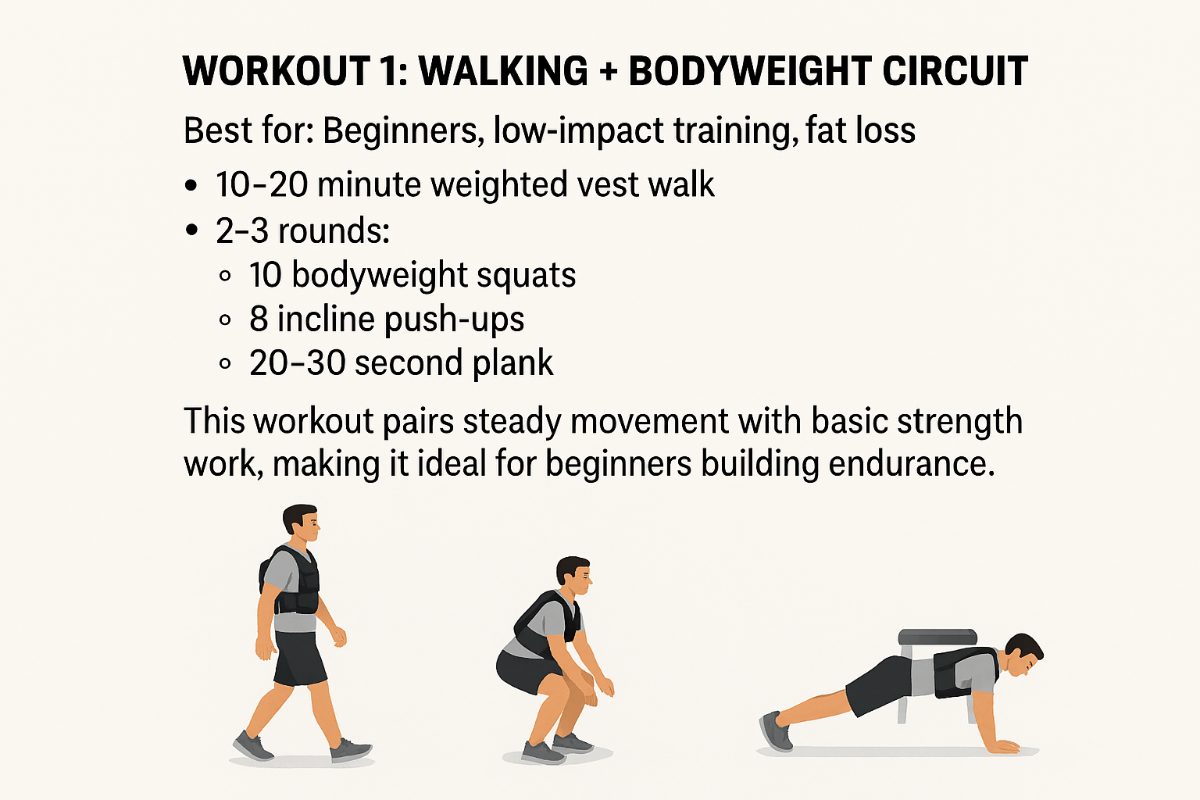
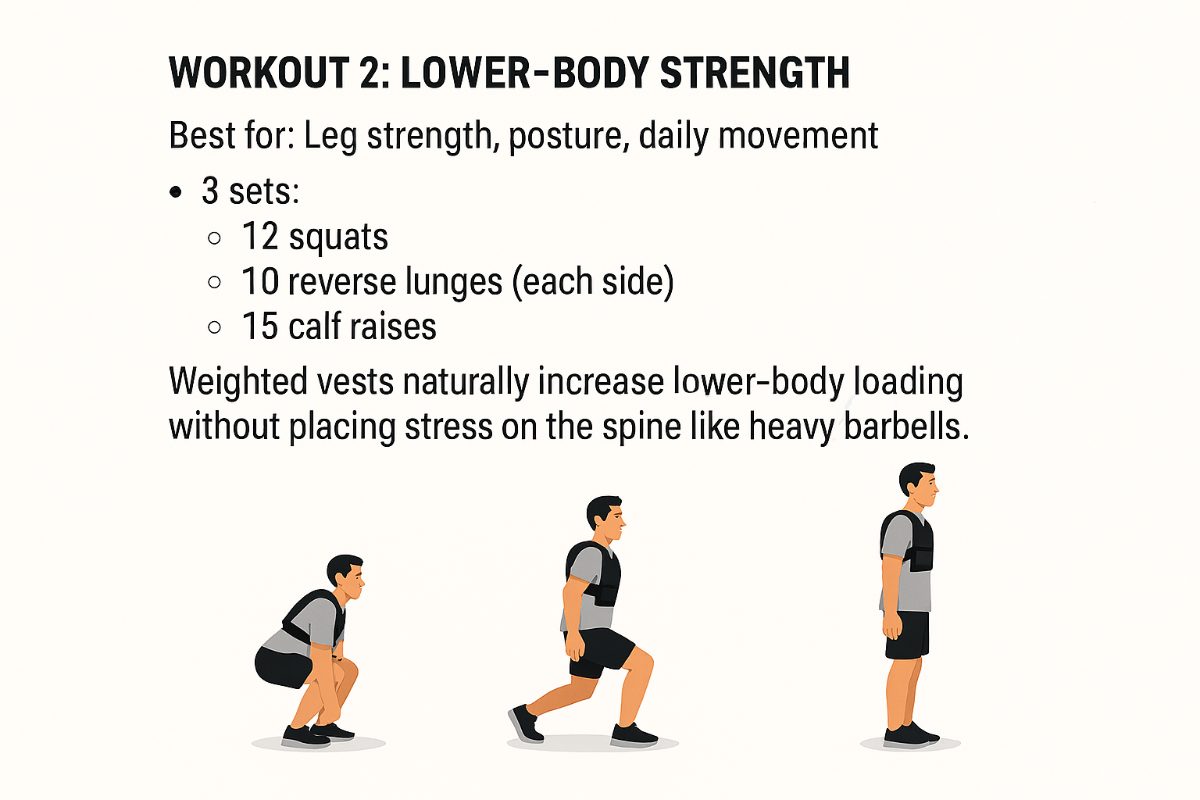
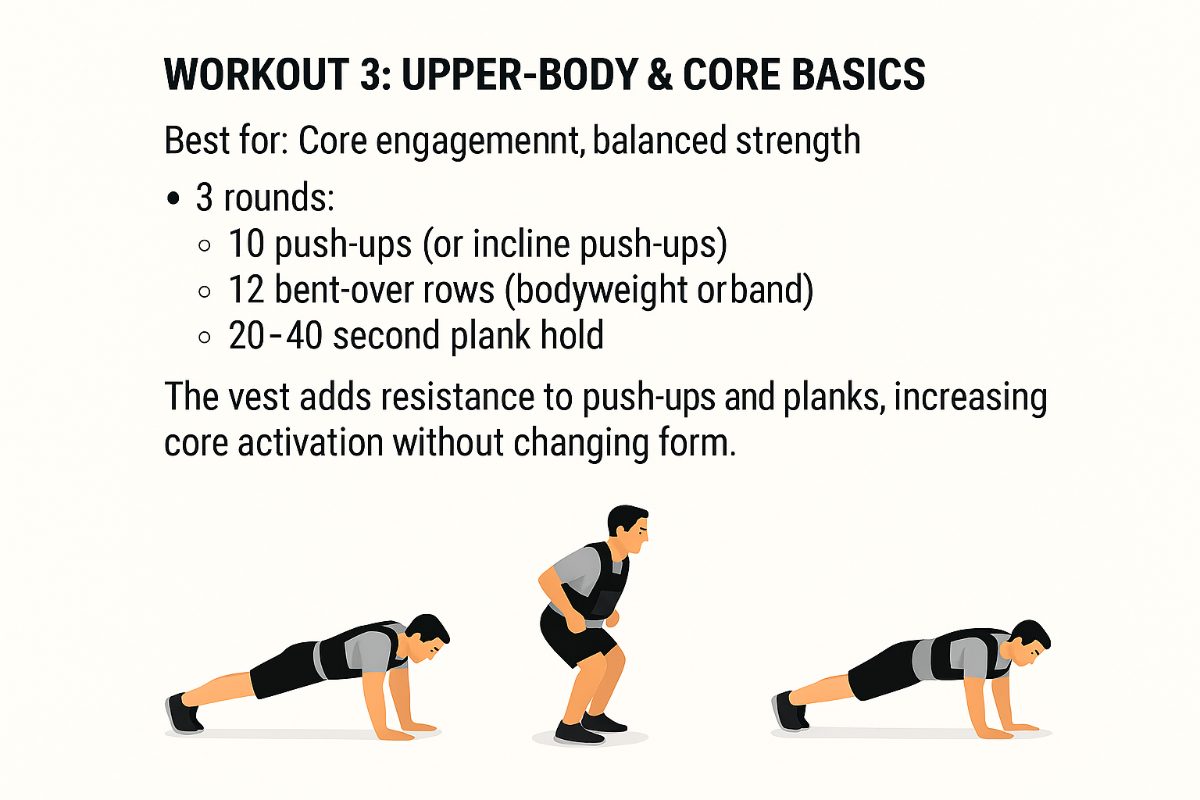
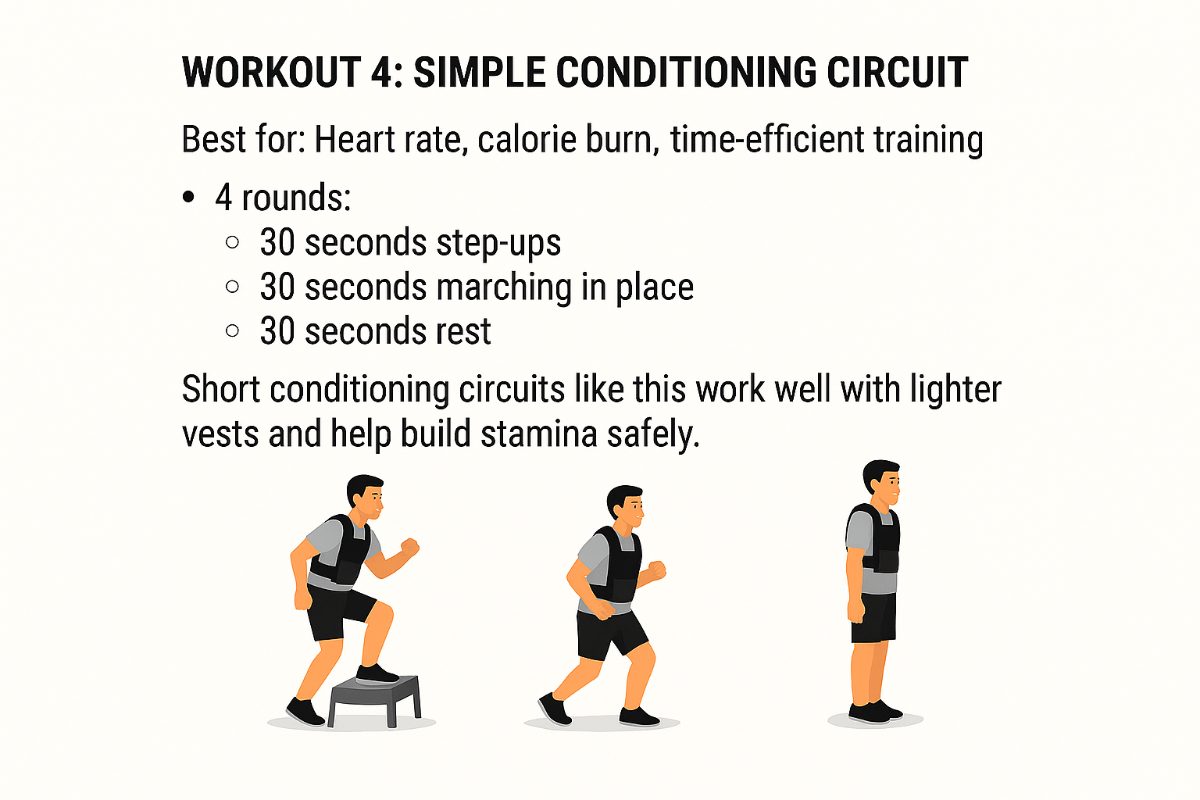
Over time, I found that beginner weighted vest workouts don’t need to be complicated to be effective. The exercises below focus on everyday movement patterns that build strength, improve conditioning, and support fat loss without overwhelming beginners or increasing injury risk.
When I first started using a weighted vest, I made the mistake most beginners make—doing too much, too fast. A weighted vest isn’t meant to turn every workout into a max‑effort session. Instead, it’s a tool that works best when combined with simple movements, good form, and consistency.
This guide covers simple weighted vest exercises, how to structure workouts, and how to get started safely.
Yes, weighted vest workouts are beginner‑friendly when started with light weight and simple exercises. Beginners benefit most by using a vest during walking, squats, push‑ups, and basic circuits while focusing on good posture and controlled movement before increasing load.
How heavy should a weighted vest be for beginners?
Beginners should start with a weighted vest that is about 5–10% of body weight. This allows the body to adapt safely while improving strength and conditioning. The weight can gradually increase after a few weeks of consistent, pain‑free training.
Can weighted vest workouts help with fat loss?
Weighted vest workouts can support fat loss by increasing calorie burn during walking and bodyweight exercises. The added resistance raises heart rate and energy expenditure without requiring longer or higher‑impact workouts, making them effective for sustainable, low‑stress fat‑loss routines.
What are the best weighted vest exercises for beginners?
The best beginner weighted vest exercises include walking, squats, lunges, step‑ups, push‑ups, and planks. These movements use natural patterns, build full‑body strength, and allow beginners to progress safely without complex techniques or excessive joint stress.
How often should beginners do weighted vest workouts?
Beginners should perform weighted vest workouts 2–3 times per week, allowing rest days between sessions. This frequency supports adaptation and recovery while reducing the risk of overuse injuries, especially when combining weighted vest training with walking or basic strength exercises.
Is it safe to walk every day with a weighted vest?
Walking daily with a weighted vest can be safe if the weight is light, posture is maintained, and sessions are moderate in length. Beginners should avoid wearing a vest all day and gradually build duration to prevent joint or lower‑back discomfort.
Should beginners use weighted vests for running?
Running with a weighted vest is not recommended for beginners. The increased impact and loading can stress joints and connective tissue. Beginners should focus on walking and strength‑based weighted vest exercises before considering higher‑impact activities.
Final Thoughts: Are Weighted Vest Workouts Good for Beginners?
Yes — when done correctly. The best weighted vest workouts for beginners focus on simple movements, moderate loads, and steady progress. Walking, bodyweight exercises, and short circuits provide plenty of challenge without unnecessary risk.
If you’re looking for a way to increase workout intensity while keeping things simple, weighted vest training is one of the most beginner‑friendly options available.
Over time, walking with a weighted vest became one of the simplest tools I used to increase difficulty, improve conditioning, and support fat loss—without needing longer workouts or complicated programs. This article breaks down the weighted vest benefits, how they apply specifically to walking, fat loss, and strength, and who should (and shouldn’t) consider using one.
When I first started incorporating a weighted vest into my routine, it wasn’t for extreme workouts or flashy training methods. It was mainly for walking. At that point in my weight‑loss journey, consistency mattered far more than intensity, and I was looking for a way to gradually increase my calorie burn and strength without beating up my joints or risking burnout.
A weighted vest is a training tool designed to add external load evenly across your torso. Unlike holding dumbbells or wearing a backpack, a properly fitted weighted vest distributes weight close to your center of gravity, allowing you to move naturally while increasing resistance.
Weighted vests are commonly used for:
Walking and hiking
Bodyweight strength training
Cardio conditioning
Low‑impact fat‑loss routines
✅ Weighted Vest Benefits for Walking
Best for: Low‑impact progression, daily activity, beginners
One of the biggest benefits of a weighted vest is how well it pairs with walking. Walking already provides cardiovascular and metabolic benefits, and adding weight simply makes that same activity more demanding without changing the movement itself.
Key weighted vest benefits when walking:
Increased calorie expenditure without increasing pace
Higher heart rate during steady‑state walks
Improved posture and core engagement
More time under tension for lower‑body muscles
For people who don’t enjoy running or high‑impact cardio, walking with a weighted vest is one of the easiest ways to make daily movement more effective while keeping stress on the joints low.
✅ Weighted Vest Benefits for Fat Loss
Best for: Sustainable calorie burn, consistency, plateaus
Fat loss ultimately comes down to maintaining a calorie deficit over time. A weighted vest helps by increasing the energy cost of movements you’re already doing, especially walking, light workouts, and daily activity.
How a weighted vest supports fat loss:
Raises total daily energy expenditure
Adds resistance without increasing workout duration
Encourages consistency by keeping workouts manageable
Helps break plateaus without extreme cardio
Instead of doing more workouts or longer sessions, wearing a vest allows small, repeatable increases in intensity—an approach that’s far easier to maintain long‑term.
✅ Benefits of Weighted Vests for Strength
Best for: Functional strength, posture, muscular endurance
Although weighted vests are often associated with cardio, they also provide meaningful strength benefits—especially when used during bodyweight exercises. If you’re picking a vest specifically for strength work, the ZELUS Weighted Vest is the one I’d point you to — it’s built to sit securely enough for pull-ups and pressing without shifting around.
Strength‑focused benefits:
Improves lower‑body strength through loaded walking
Builds core and postural strength through sustained load
Enhances muscular endurance
Reinforces proper movement mechanics
Because the weight is carried close to the body, weighted vests challenge stabilizing muscles without dramatically altering natural movement patterns, making them useful for everyday strength development.
How I Used a Weighted Vest in My Routine
For me, the biggest benefit came from walking with a weighted vest during low‑intensity sessions. I started light, focused on posture and comfort, and gradually increased load as my conditioning improved. I didn’t use the vest every day, and I avoided overloading early on.
The vest was never the “solution” on its own—it worked because it fit into a broader approach focused on daily movement, manageable nutrition, and long‑term sustainability.
If you want a more structured path than trial and error, my Weighted Vest Training Guide breaks down how to build up load and workouts week by week.
For walking-based fat loss specifically, the ApexUp Weight Vest is the pick I recommend in my full vest breakdown — it’s built for exactly this kind of steady, low-impact use.
Who Should Use a Weighted Vest (And Who Should Avoid It)
✅ Good fit if you:
Prefer walking over running
Want low‑impact fat‑loss tools
Are building consistency first
Want gradual intensity increases
❌ Not ideal if you:
Jump straight to heavy loads
Have unresolved joint or back issues
Use it for long runs without adaptation
Ignore posture and recovery
Like most tools, weighted vests are effective when used thoughtfully—not aggressively.
Yes, indirectly. A weighted vest doesn’t burn fat on its own, but it increases the energy cost of things you’re already doing—especially walking. That extra resistance raises your total daily calorie burn without adding more time or intensity to your workouts, which is what made it useful for me during periods when consistency mattered more than pushing harder.
Does walking with a weighted vest help you lose weight?
It can, especially if walking is already a big part of your routine. Wearing a vest on walks I was doing anyway let me add resistance gradually, without changing my schedule or beating up my joints. It’s one of the easiest ways to nudge calorie burn upward without turning a walk into a workout.
What are the benefits of a weighted vest for walking?
The main ones are a higher calorie burn from added resistance, better consistency because it doesn’t require longer or harder sessions, and some added lower-body and postural strength from carrying the extra load. It let me increase difficulty without changing the exercise itself.
Can a weighted vest help with weight loss on its own?
No—and I’d be skeptical of anything that claims otherwise. For me, the vest only worked because it fit into a broader approach: consistent movement, reasonable nutrition, and patience. It’s a tool that makes the things you’re already doing slightly more effective, not a replacement for them.
Final Thoughts: Are Weighted Vests Worth It?
When used appropriately, the benefits of weighted vests extend well beyond simple calorie burn. They make walking more effective, support fat loss without extreme methods, and build functional strength in a way that feels sustainable.
If your goal is long‑term progress—especially through walking and low‑impact movement—a weighted vest can be a valuable addition when paired with a realistic plan and consistent habits. If cost is the deciding factor, the Renoj Weighted Vest is the budget pick worth starting with — see the full breakdown in our Best Weighted Vests roundup.
During my weight loss journey, YouTube was one of the biggest tools I used to stay consistent—especially on days I didn’t want to leave the house. These are the weight loss YouTube channels I actually followed, not just popular names, and why each one worked for me at different stages.
YouTube alone didn’t drive my weight loss. I paired these channels with daily walking, basic resistance training, and a simple calorie‑aware diet. Consistency mattered more than intensity. Below is a list of the best weight loss YouTube channels that helped me get my life back.
– Who it’s best for: Anyone looking for longevity research and protocols
– Why it works: Because ben does his research and goes into great detail
– When I used it / how it fit my routine: Helped me use supplements correctly
– Who should skip it: Those looking for a more simple plan.
What YouTube Can’t Do Alone
– YouTube won’t fix nutrition
– Random workouts won’t beat consistency
– Motivation fades without structure
If you’re looking for extreme transformations or overnight results, these channels probably won’t be what you want. But if you want sustainable, beginner‑friendly ways to stay active, they work extremely well. They did for me!
Follow My Plan to get the exact protocol for how I lost over 50 pounds in just a few months.
Walking was a big part of how I made this consistent — see my full walking for fat loss guide for the science behind it. And if you need the mindset piece to go with it, read Do Hard Things — it’s the shift that made all of this stick for me.
Weighted vest training has become one of the most effective and accessible ways to increase workout intensity without needing complicated equipment. Whether your goal is fat loss, strength development, or improved endurance, a weighted vest can add scalable resistance to nearly any bodyweight exercise or cardio routine.
This guide breaks down everything you need to know about weighted vest training, including benefits, how to choose the right weight, safety considerations, and programming strategies for beginners and advanced users.
A weighted vest is a fitness tool worn on the torso that adds external resistance to bodyweight movements. It distributes weight evenly across the upper body, allowing you to increase training intensity without changing your exercise form dramatically.
Most weighted vests use removable steel or sand-filled weights, giving users the ability to adjust resistance over time.
Adding extra resistance increases energy expenditure. Even simple activities like walking or stair climbing burn significantly more calories when wearing a weighted vest.
2. Strength Development
Weighted vests increase load on muscles during compound movements, helping build strength in the legs, core, chest, and back.
3. Endurance and Cardiovascular Conditioning
Training with added resistance forces the heart and lungs to work harder, improving overall cardiovascular fitness over time.
4. Bone Density and Joint Health
Resistance training with controlled load may help support bone density and improve joint resilience when used properly.
5. Functional Fitness
Weighted vest training mimics real-world load carrying, improving overall functional strength and athletic performance.
How to Choose the Right Weight (IMPORTANT)
Choosing the correct weight is the most important factor in safe and effective training.
General Guidelines:
Beginners: 5–10% of body weight
Intermediate: 10–15% of body weight
Advanced: 15–20% of body weight
Example:
If you weigh 180 lbs:
Beginner range: 9–18 lbs
Intermediate range: 18–27 lbs
Advanced range: 27–36 lbs
Key Considerations:
Start lighter than you think you need
Prioritize form over load
Choose adjustable vests for progression
Avoid maxing out weight too early
Safety Considerations
Weighted vest training is effective, but improper use can lead to strain or injury.
Safety Tips:
Maintain proper posture during all exercises
Avoid excessive weight during running if new to training
Do not use if recovering from lower back or joint injuries without clearance
Gradually increase duration and load
Ensure vest fits snugly to avoid shifting weight
Common Mistakes:
Starting with too much weight
Using poor form under fatigue
Wearing vest for long durations without adaptation
Who Should Use a Weighted Vest?
Ideal For:
Beginners looking to increase calorie burn
Athletes improving conditioning
People training for endurance events
Individuals wanting to progress bodyweight exercises
Who Should Be Cautious:
People with knee, hip, or lower back issues
Beginners with no base fitness level
Individuals recovering from injury
Beginner vs Advanced Usage
Beginner Approach:
Use 5–10% body weight
Limit sessions to 15–30 minutes
Focus on walking, incline walking, and basic bodyweight movements
Use vest in longer endurance sessions or training blocks
Sample Weighted Vest Workouts
Beginner Workout:
20-minute brisk walk
3 sets of 10 push-ups
3 sets of 12 bodyweight squats
Intermediate Workout:
30-minute incline walk
4 rounds:
10 push-ups
15 squats
10 lunges per leg
Advanced Workout:
5 rounds:
400m run or sprint
10 pull-ups
20 push-ups
20 walking lunges
FAQs
Does a weighted vest help you lose weight?
Yes, they increase calorie burn during both cardio and strength training, making fat loss more efficient when combined with proper nutrition. For a deeper look at exactly how walking with a weighted vest supports fat loss, see our full weighted vest benefits breakdown.
Can I run with a weighted vest?
Yes, but start light. Running with heavy vests can increase joint stress, especially for beginners.
Can I lose weight walking with a weighted vest?
Yes — for most people, walking is actually the easiest place to use one. Adding a vest to walks you’re already doing raises the calorie cost without changing your schedule or beating up your joints the way running with load can. Start light, keep your pace and posture normal, and add weight gradually as it feels easy. See our weighted vest benefits breakdown for how this played out day to day.
How often should I use a weighted vest?
2–4 times per week is ideal for most people, depending on recovery and intensity.
What exercises work best with a weighted vest?
Walking, squats, push-ups, lunges, stair climbing, and controlled cardio movements work best.
Is a heavier vest always better?
No. Heavier is not better if it compromises form or recovery. Progressive overload should be gradual.
Conclusion
Weighted vest training is a powerful, scalable method to improve fat loss, strength, and endurance without needing complex equipment. The key to success is starting light, progressing gradually, and using proper form consistently. When used correctly, a weighted vest can become a long-term tool for improving overall fitness and performance.
Searching for that skin-splitting muscle pump and better endurance? Wanting a help to your blood pressure issues? A Nitric Oxide (NO) Supplement is the secret weapon for athletes looking to improve vasodilation, enhance oxygen delivery, and speed up recovery.
In this guide, we break down the top-rated Nitric Oxide supplement on the market today to help you find the perfect match for your training goals.
Why Nitric Oxide Actually Works
Beyond the pump, nitric oxide (NO) is worth understanding on its own — it’s the molecule your body uses to widen blood vessels, and that single mechanism is behind most of what people notice when they supplement with it. More blood flow means more oxygen and nutrients reaching working muscle, which is where the real benefits come from.
Athletes use it for bigger pumps and less fatigue late in a set, faster recovery between sessions, and — because nitric oxide helps blood vessels relax — some support for healthy blood pressure. There’s also emerging interest in nitric oxide for weight loss, since better circulation and energy can support more intense training, though it’s a complement to a solid routine, not a replacement for one.
Affiliate Disclosure:As an Amazon Associate, I earn from qualifying purchases. This means if you click on a link and make a purchase, I may receive a small commission at no extra cost to you.
Table of Contents
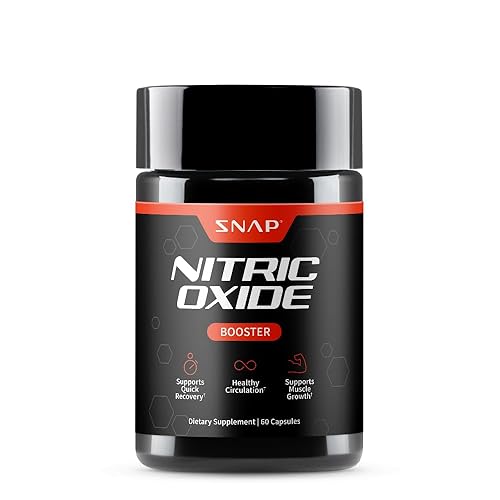
1. Snap Nitric Oxide Supplement – Editor’s Choice
Snap Supplements has created a comprehensive formula that targets the dual pathways of NO production. By combining L-Arginine and L-Citrulline with Muira Puama and Tribulus, it supports both circulation and vitality.
Pros: Dual-amino acid blend; includes herbal stamina support; great for blood pressure.
Cons: Requires taking multiple capsules per serving.
2. HumanN SuperBeets Powder – Best Natural Option
If you prefer a whole-food approach, SuperBeets is the gold standard. It utilizes highly concentrated non-GMO beets to provide functional nitrates that the body converts directly into Nitric Oxide.
Pros: Plant-based nitrates; delicious Black Cherry flavor; rapid absorption.
Cons: Slightly higher price point per serving than capsules.
3. Old School Labs Vintage Burst – Best for Sustained Energy
Vintage Burst is unique because it is designed to prevent the “crash” associated with many pre-workout boosters. It uses a “timed-release” approach to keep Nitric Oxide levels elevated for hours rather than minutes.
Pros: No artificial substances; sustained pump effect; third-party tested.
Cons: Capsules are on the larger side.
4. SilverOnyx Nitric Oxide Supplement – Best for Muscle Pump
In particular, this formula leans heavily into Arginine AKG (Alpha-Ketoglutarate), which is specifically favored by bodybuilders for the “fullness” it provides to muscles during a workout.
Pros: High concentration of Arginine; great for short-term vasodilation.
Cons: Lacks the L-Citrulline found in more balanced formulas.
5. Nutricost L-Citrulline Malate – Best for High Intensity
For those who want a pure, no-nonsense performance booster, Nutricost provides a 2:1 ratio of Citrulline Malate. This is ideal for cross-fitters or sprinters who need to clear lactic acid quickly.
Pros: Massive 3g serving size; incredible value; no fillers.
Cons: Unflavored powder can be slightly sour.
Nitric Oxide Buyer’s Guide
What to Look for in an Nitric Oxide Supplement
Every supplement on the market is different, ranging from ingredients (amounts and type), to the method of delivery, and even the flavor of the supplement. Therefore, when shopping, keep an eye on these three key factors and you will have a much higher success rate:
L-Citrulline vs. L-Arginine: While Arginine is the direct precursor to NO, L-Citrulline is actually better absorbed by the gut. Look for products that include both or high doses of Citrulline.
The “Beet” Factor: Dietary nitrates from beetroot are a scientifically proven way to increase NO levels through a different biological pathway than amino acids.
Dosage: For a significant “pump” effect, look for at least 3,000mg of L-Citrulline or 1,500mg of Nitrates.
Timing Your Supplementation
In order to achieve maximum athletic performance, consume your Nitric Oxide supplement 30 to 45 minutes before your workout. This allows the ingredients to peak in your bloodstream just as you begin your first set.
Creatine is the most researched supplement in the world. But with hundreds of brands on the market, which one should you trust? In this guide, we’ve selected the 5 best creatine supplements for beginners, specifically the Best Creatine Supplements for Beginners, based on purity, solubility, and value.
Affiliate Disclosure:As an Amazon Associate, I earn from qualifying purchases. This means if you click on a link and make a purchase, I may receive a small commission at no extra cost to you. This helps support the research and testing we do at Me-Fitter.
Quick Comparison: 5 Best Creatine Supplements for Beginners
Creatine molecule. molecular chemical structural formula and model
Table of Contents
1. Thorne Creatine Supplement – Best Overall Quality
Thorne is a brand trusted by 100+ professional sports teams. Their Creatine Monohydrate is NSF Certified for Sport, meaning it has been rigorously tested for over 200 banned substances and contaminants.
Pros: Exceptionally pure; no fillers; NSF Certified for Sport.
Cons: Slightly higher price point than generic brands.
2. Optimum Nutrition Micronized Creatine Supplement – Best Value
Optimum Nutrition (ON) is the world’s best-selling creatine. They “micronize” the powder, which means the particles are smaller and dissolve much easier in water compared to standard creatine.
Pros: Dissolves instantly; very affordable; unflavored (perfect for coffee).
Cons: Does not include a scoop in some smaller tub sizes.
3. CreGAAtine – Best for Brain & Body
As we discussed in our deep dive into Creatine with GAA, CreGAAtine uses a precursor (GAA) to help the body produce its own creatine more efficiently. This is ideal for those who want both muscle strength and enhanced cognitive bioenergetics.
Cons: More complex biochemical profile (read our guide on methylation).
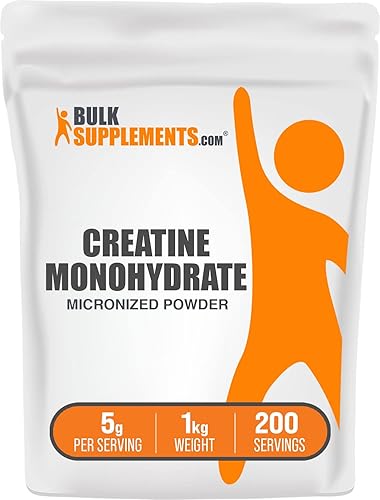
4. BulkSupplements Creatine Supplement – Best for Pure Bul
If you want zero marketing and just pure powder, BulkSupplements is the way to go. It is lab-tested and comes in huge bags that can last you nearly a year.
Pros: Lowest price per serving; resealable bag; third-party lab tested.
Cons: The bag seal can sometimes get “clogged” with powder.
5. Con-Cret Creatine HCl – Best for Avoiding Bloat
Some people experience “creatine bloat” with monohydrate. Con-Cret uses Creatine Hydrochloride (HCl), which is highly soluble and requires a much smaller dose, making it easier on sensitive stomachs.
Pros: No loading phase required; easy on the stomach; available in capsules.
Cons: Different taste (slightly acidic) if using the powder form.
The Ultimate Creatine Supplement Buyer’s Guide
How Creatine Works in the Body
Creatine works by increasing the body’s stores of phosphocreatine. This allows you to produce more ATP, the primary energy currency for short, explosive movements and intense brain activity.
Which Type Should You Choose?
Creatine Monohydrate: The most researched and cost-effective. Best for 99% of people.
Creatine HCl: Best if you have digestive issues or “bloating” from standard powder.
GAA-Enhanced: Best for those looking for cutting-edge performance and brain health.
The “Loading Phase” Myth
You do not have to do a “loading phase” (20g a day for a week). While it saturates the muscles faster, taking 3–5 grams per day consistently will get you to the same place within 3 weeks without the potential GI distress.
Coach’s Tip for me-fitter.com Readers:
I always recommend taking your creatine with a glass of water and a small amount of carbohydrates (like a piece of fruit) to help with transport and absorption.
Walking for fat loss is one of the most underrated yet effective strategies for sustainable health. Unlike high-intensity workouts that can be intimidating or unsustainable, walking offers a low-impact, accessible approach that anyone can start today. This comprehensive guide explores how walking burns fat, optimal walking strategies, and how to maximize your results.
Walking burns calories while being gentle enough to maintain consistency, which is the true key to long-term fat loss. When you walk at a moderate pace, your body primarily uses fat as fuel, making it an ideal activity for those specifically targeting fat reduction rather than just weight loss. This is exactly why walking for fat loss has become such a popular, sustainable strategy.
Research shows that regular walking can create the caloric deficit needed for fat loss without triggering the extreme hunger or fatigue associated with more intense exercise. A 155-pound person burns approximately 140 calories per 30 minutes of brisk walking, and these numbers add up significantly over weeks and months.
How Much Should You Walk for Fat Loss?
For meaningful fat loss results, aim for 150-300 minutes of moderate-intensity walking per week. This breaks down to roughly 30-60 minutes daily, five days per week. If you’re just starting out, begin with 15-20 minute walks and gradually increase your duration as your fitness improves. This moderate-intensity range is essentially Zone 2 Cardio, one of the most efficient training zones for sustainable fat burning. This range represents the sweet spot for walking for fat loss without risking burnout.
The “10,000 steps per day” guideline remains a useful target, though the exact number matters less than consistency. Studies indicate that even 7,000-8,000 steps daily can produce significant health and fat loss benefits when combined with mindful eating. For a deeper look at whether the 10,000-step benchmark actually holds up, see our full breakdown: 10,000 Steps a Day for Weight Loss.
Optimizing Your Walking Routine for Maximum Fat Burn
Walking Pace and Intensity
Your walking pace significantly impacts fat burning. Aim for a brisk pace where you can talk but not easily sing. This typically corresponds to 3-4 miles per hour for most people. At this intensity, you’re working hard enough to burn calories efficiently while staying in the fat-burning zone. Want to dial in your pace with more precision? Learn how to find your Fat-Burning Heart Rate Zone by heart rate instead of feel.
Consider incorporating interval walking, alternating between periods of faster and slower walking. For example, walk briskly for two minutes, then at a moderate pace for one minute, repeating this cycle throughout your walk. This variation can increase total calorie burn by up to 20% compared to steady-state walking. If you want to push this further, our HIIT Workouts for Beginners guide covers similar interval-based principles for even greater calorie burn.
Incline and Terrain
Walking uphill or on varied terrain dramatically increases calorie expenditure. Incline walking engages more muscle groups, particularly your glutes and hamstrings, while burning significantly more calories than flat walking. If you’re walking on a treadmill, a 5-10% incline can nearly double your calorie burn compared to walking on a flat surface. Adding incline is one of the simplest ways to accelerate walking for fat loss.
Outdoor walking on trails, hills, or stairs provides natural resistance training while keeping your workouts interesting and engaging.
When to Walk for Optimal Fat Loss
The best time to walk is whenever you can maintain consistency, but certain timing strategies may enhance fat burning. Some research suggests that fasted walking in the morning, before breakfast, may increase fat oxidation. However, the most important factor is finding a time that fits your schedule and that you can stick with long-term.
Walking after meals, particularly after dinner, can improve blood sugar regulation and increase daily calorie expenditure without requiring dedicated workout time.
Combining Walking with Nutrition for Fat Loss
Walking creates a caloric deficit, but your nutrition ultimately determines your results. Focus on whole foods, adequate protein intake (0.7-1 gram per pound of body weight), and a moderate caloric deficit of 300-500 calories below your maintenance level. Ultimately, walking for fat loss is only half the equation—nutrition drives the rest.
Avoid the trap of overestimating calories burned from walking and overeating as compensation. While that 30-minute walk burned 140 calories, a single muffin can easily contain 400 calories or more.
Tracking Progress and Staying Motivated
Monitor your walking habit through step-counting apps, fitness trackers, or simple journaling. Track metrics beyond just weight, including measurements, energy levels, sleep quality, and how your clothes fit. Fat loss often shows up in these areas before the scale moves. Consistent tracking keeps your walking for fat loss routine on course.
Set process goals (walking five times this week) rather than just outcome goals (lose 10 pounds). This approach keeps you motivated and acknowledges the effort you’re putting in regardless of how quickly the fat comes off. This mindset shift is essential for long-term walking for fat loss success.
Common Walking Mistakes to Avoid
Don’t make these common errors that can limit your fat loss results. First, avoid walking at too comfortable a pace where you’re barely elevating your heart rate. Second, don’t neglect proper walking form—maintain upright posture, engage your core, and use your arms for momentum. Third, resist the urge to do the same route at the same pace every single day, as your body adapts and burns fewer calories over time. Swapping in a Quick HIIT Exercise for Home Gym session once or twice a week is another easy way to keep your body from adapting.
Building a Sustainable Walking Habit
Start small and build gradually. Consistency beats intensity when it comes to walking for fat loss. Make walking convenient by keeping walking shoes in your car, walking during phone calls, or scheduling walking meetings. Join walking groups or recruit a walking buddy for accountability and social connection. The right footwear matters too—see our picks for the Best Running Shoes for Weight Loss to keep your walks comfortable and injury-free.
Remember that walking for fat loss is a marathon, not a sprint. The beauty of walking is its sustainability—you can maintain this habit for life, continuously reaping the fat loss and health benefits for years to come.
Conclusion
Walking for fat loss works because it’s sustainable, accessible, and effective when done consistently. By walking 30-60 minutes most days of the week at a brisk pace, incorporating inclines and intervals, and pairing your walking routine with sensible nutrition, you can achieve meaningful fat loss results. Start today with a single 15-minute walk, and build from there. Your future self will thank you for taking that first step.
Looking to cut down on carbs but still enjoy your favorite tortillas? Look no further! In this comprehensive guide, we will take you on a journey to discover the best low carb tortillas for weight loss available in the market. Whether you are following a low carb diet or simply looking to make healthier choices, we’ve got you covered.
*This blog contains affiliate links, and if you make a purchase through these links, I may earn a small commission at no extra cost to you, ensuring transparency and supporting the maintenance of this site.
Our team of experts has scoured the shelves to find the tastiest and most nutritious low carb tortillas out there. We’ve compared ingredients, analyzed nutritional values, and tasted our way through countless options to bring you the ultimate list. From almond flour to coconut wraps, we’ll explore a range of delicious alternatives to the traditional flour tortillas.
Say goodbye to feeling guilty about indulging in your favorite wraps or tacos. With these low carb tortillas, you can enjoy all the flavors and textures you love while keeping your carb intake in check. So, whether you’re a keto enthusiast, a health-conscious eater, or simply curious about low carb alternatives, this guide is a must-read. Get ready to revolutionize your tortilla game!
Benefits of Low Carb Tortillas
Low carb tortillas offer a wide range of benefits for those looking to reduce their carbohydrate intake. These benefits go beyond just weight loss and can positively impact overall health. Let’s explore some of the key advantages of incorporating low carb tortillas into your diet.
Weight Management
One of the main benefits of low carb tortillas is their ability to support weight management. By reducing your carbohydrate intake, especially from refined flour-based products, you can better control your calorie consumption and promote weight loss. Low carb tortillas provide a satisfying alternative to traditional high-carb options, allowing you to enjoy your favorite foods without derailing your progress.
Blood Sugar Control
For individuals with diabetes or those looking to stabilize their blood sugar levels, low carb tortillas are a great choice. These tortillas are often made with alternative flours like almond or coconut, which have a lower glycemic index compared to wheat flour. This means they cause a slower and more gradual rise in blood sugar levels, helping to prevent spikes and crashes.
Increased Fiber Intake
Many low carb tortillas are enriched with fiber, which is an essential nutrient for digestive health. Fiber aids in digestion, promotes regular bowel movements, and can help you feel fuller for longer. By choosing low carb tortillas with added fiber, you can easily increase your daily fiber intake and support a healthy digestive system.
Greater Nutritional Variety
Traditional flour tortillas are often made with refined flour, which lacks the nutritional benefits of whole grains. Low carb tortillas, on the other hand, are typically made with alternative flours that offer a wider range of nutrients. For example, almond flour tortillas are rich in healthy fats, protein, and vitamin E, while coconut wraps provide medium-chain triglycerides (MCTs) that offer various health benefits.
Versatility and Taste
Low carb tortillas are not only nutritious but also incredibly versatile. Use them in a variety of dishes, from classic tacos and fajitas to creative wraps and quesadillas. Whether you’re following a specific diet or simply looking for healthier alternatives, low carb tortillas allow you to enjoy your favorite meals without sacrificing taste or texture.
So, as you can see, low carb tortillas offer numerous benefits for those looking to make healthier choices. They are a versatile and delicious option that can enhance your overall well-being while still satisfying your cravings. Now let’s dive into the nutritional value of low carb tortillas to help you make informed choices.
Nutritional Value of Low Carb Tortillas
When it comes to low carb tortillas, understanding their nutritional value is crucial for making informed decisions about which ones to incorporate into your diet. While each brand and type of tortilla may vary slightly in their macronutrient composition, we can provide a general overview of what to expect.
Low carb tortillas are typically lower in carbohydrates and higher in protein and healthy fats compared to traditional flour tortillas. This makes them a suitable option for individuals following low carb or ketogenic diets. Let’s break down the macronutrient composition of typical low carb tortillas:
Carbohydrates
Low carb tortillas generally contain around 5-10 grams of net carbohydrates per serving. Net carbohydrates are calculated by subtracting the fiber content from the total carbohydrates, as fiber is not fully digested or absorbed by the body. This means that low carb tortillas have a minimal impact on blood sugar levels and are suitable for those watching their carb intake.
Protein
Low carb tortillas are often higher in protein compared to traditional flour tortillas. This is due to the use of alternative flours such as almond, coconut, or flaxseed. These flours naturally contain more protein than refined wheat flour, providing an added nutritional boost. A typical serving of low carb tortillas can contain anywhere from 6-10 grams of protein.
Fats
Unlike traditional tortillas, low carb tortillas may contain a higher amount of fats, particularly healthy fats. This is because alternative flours like almond or coconut are naturally higher in fat compared to wheat flour. Healthy fats are essential for various bodily functions, including hormone production, nutrient absorption, and brain health. The fat content in low carb tortillas can range from 3-10 grams per serving.
Fiber
Fiber is an important component of a healthy diet and is often added to low carb tortillas to boost their nutritional value. It aids in digestion, helps regulate blood sugar levels, and promotes satiety. Depending on the brand and type of tortilla, you can expect anywhere from 3-7 grams of fiber per serving.
It’s important to note that the nutritional values may vary between different brands and types of low carb tortillas. Always check the packaging or nutritional information provided to ensure the specific macronutrient composition aligns with your dietary goals. Now let’s explore the different types of low carb tortillas available in the market.
Different Types of Low Carb Tortillas Available
When it comes to low carb tortillas, the options are vast and varied. From almond flour to coconut wraps, there’s a low carb tortilla out there to suit every taste and dietary preference. Let’s take a look at some of the most popular types of low carb tortillas available in the market:
Almond Flour Tortillas
Almond flour tortillas are a favorite among those following a low carb or gluten-free diet. Made from finely ground almonds, these tortillas are not only low in carbohydrates but also rich in healthy fats, protein, and vitamin E. Almond flour tortillas have a slightly nutty flavor and a soft, pliable texture that makes them ideal for wraps, tacos, and quesadillas.
Coconut Wraps
Coconut wraps are a great option for those looking for a grain-free and paleo-friendly alternative. These wraps are made from coconut meat and have a mild coconut flavor. They are naturally low in carbohydrates and rich in medium-chain triglycerides (MCTs), which are a type of healthy fat.
Cauliflower Tortillas
Cauliflower tortillas have gained popularity as a low carb alternative to traditional flour tortillas. Made from cauliflower rice, eggs, and a combination of spices, these tortillas are gluten-free, low in carbohydrates, and packed with vitamins and minerals. Cauliflower tortillas have a slightly denser texture but are perfect for tacos, enchiladas, or as a base for pizza.
Flaxseed Tortillas
Flaxseed tortillas are an excellent choice for those looking to boost their omega-3 fatty acid intake. Flaxseeds are rich in fiber, protein, and healthy fats, making them a nutritious addition to any diet. These tortillas have a nutty flavor and a slightly chewy texture. They work well with both savory and sweet fillings.
Spinach Tortillas
Spinach tortillas are a vibrant and nutritious option that adds a pop of color to your meals. Made with spinach puree, almond flour, and other wholesome ingredients, these tortillas are packed with vitamins, minerals, and antioxidants. Spinach tortillas have a mild spinach flavor and can be used in a variety of dishes, from breakfast burritos to lunch wraps.
These are just a few examples of the different types of low carb tortillas available. Each type offers its own unique taste and texture, allowing you to experiment and find your favorite. Now let’s delve into some popular brands that offer delicious low carb tortillas.
Popular Brands of Low Carb Tortillas
With the increasing popularity of low carb diets, many brands have stepped up to offer a wide range of low carb tortilla options. These brands prioritize taste, texture, and nutritional value to provide consumers with satisfying alternatives to traditional flour tortillas. Let’s explore some of the popular brands that stand out in the low carb tortilla market:
Mission Carb Balance
Mission Carb Balance is a well-known brand that offers low carb tortillas in various flavors and sizes. Their tortillas are made with a blend of wheat and whole wheat flour, making them lower in carbohydrates compared to regular flour tortillas. Mission Carb Balance tortillas are a great option for those who prefer a milder taste and a more authentic tortilla experience. You can find Mission Carb Balance tortillas on Amazon here.
Siete
Siete is a family-owned brand that specializes in grain-free, gluten-free, and paleo-friendly tortillas. They offer a wide range of options, including almond flour tortillas, cassava flour tortillas, and chickpea flour tortillas. Siete tortillas have exceptional taste and texture, making them a popular choice among those with dietary restrictions or food sensitivities. You can find Siete almond flour tortillas on Amazon here.
Tumaro’s
Tumaro’s is a brand that focuses on creating healthy and delicious tortillas. They offer a line of low carb tortillas that are high in fiber and protein. Tumaro’s tortillas come in various flavors, including spinach & herbs, multigrain, and garden veggie. These tortillas are a great option for those looking for added nutritional value without compromising on taste. You can find Tumaro’s tortillas on Amazon here.
La Tortilla Factory
La Tortilla Factory has been producing high-quality tortillas for over 40 years. They offer a range of low carb tortillas made with ingredients like whole wheat flour, almond flour, and flaxseed. La Tortilla Factory tortillas are soft and pliable, making them perfect for wrapping your favorite fillings. You can find La Tortilla Factory tortillas on Amazon here.
NUCO Coconut Wraps
NUCO Coconut Wraps take a different approach than the others on this list — they’re coconut-based instead of grain-based, made from just a few organic ingredients, which makes them a solid pick if you’re avoiding grains entirely rather than just cutting carbs. They’re soft, fold well for wraps and tacos, and come in individually packaged servings that travel easily. You can find NUCO Organic Coconut Wraps on Amazon here.
These are just a few of the popular brands that offer delicious low carb tortillas. Each brand has its own unique offerings, so be sure to explore different options to find the ones that best suit your taste preferences and dietary needs. Now that you know about the different types and brands of low carb tortillas, let’s discuss where you can buy them.
Where to Buy Low Carb Tortillas
Now that you’re eager to try out these low carb tortillas, you may be wondering where you can find them. Fortunately, low carbohydrate tortillas are more mainstream, and found in various grocery stores and online retailers. Here are some places where you can purchase low carbohydrate tortillas:
Grocery Stores
Many grocery stores now stock a variety of low carb tortillas in their health food or specialty sections. Look for brands like Mission Carb Balance, Siete, Tumaro’s, La Tortilla Factory, or NUCO. You can find low tortillas in larger supermarket chains, health food stores, or specialty stores.
Online Retailers
Online retailers such as Amazon, Thrive Market, or the official websites of specific brands are excellent sources for purchasing low carb tortillas. You can browse through a wide selection of brands, flavors, and types, and have them conveniently delivered to your doorstep. Also, online shopping also allows you to read reviews and compare prices before making a purchase.
Local Health Food Stores
Local health food stores often carry a range of tortillas as part of their specialty or diet-specific product selection. These stores typically prioritize offering healthier alternatives, making them a great place to find tortillas.
Farmers’ Markets
Depending on your location, farmers’ markets can be a fantastic place to find homemade or locally produced tortillas. These tortillas often feature unique flavors and high-quality ingredients, making them a great option for those seeking a more artisanal experience.
Specialty Online Retailers
There are several specialty online retailers that focus on low carb and specialty food products. These retailers may offer a wider variety of tortillas that you might not find in your local stores. Some popular specialty online retailers include Netrition and The Low Carb Grocery.
Remember to check the store’s website or call ahead to ensure they carry the specific brand or type of low carb tortilla you’re looking for. Availability may vary depending on your location and the stores in your area. With these options in mind, you’re ready to embark on your low carb tortilla journey.
Conclusion and Final Thoughts of Best Low Carb Tortillas for Weight Loss
In conclusion, low carbohydrate tortillas offer a delicious and nutritious alternative to traditional flour tortillas. Whether you’re following a low carb diet, looking to manage your blood sugar levels, or simply want to make healthier choices, low carbohydrate tortillas can be a game-changer. They provide a range of benefits, including weight management, blood sugar control, increased fiber intake, greater nutritional variety, and incredible versatility in the kitchen.
With different types like almond flour, coconut wraps, cauliflower, flaxseed, and spinach tortillas, there’s an option to suit every taste and dietary preference. Popular brands like Mission Carb Balance, Siete, Tumaro’s, La Tortilla Factory, and NUCO offer an array of delicious tortillas.
You can find low carbohydrate tortillas in grocery stores, online retailers, local health food stores, farmers’ markets, and online retailers. Explore different options, read reviews, and experiment with flavors to find the tortillas that you love
Generally yes. The main win is fewer refined carbs per wrap, which makes it easier to control your overall calorie intake, and most low carb options add extra fiber, which helps you feel fuller for longer. They’re not a magic fix on their own, but swapping them in for regular flour tortillas is one of the easier changes to stick with.
What is the best low carb tortilla?
Siete is our pick — the grain-free almond and cassava flour versions have the best taste and texture of the bunch, which matters more than people expect for whether you actually keep buying them. If you want something that tastes closest to a regular grocery-store tortilla, Mission Carb Balance is the milder, more familiar option.
Are you struggling with shedding those extra pounds? It’s time to uncover the surprising link between sleep and weight loss. Research has shown that a good night’s rest can have a significant impact on your weight management journey.
Table of Contents
In today’s fast-paced world, sleep often takes a backseat to work, social engagements, and other responsibilities. But did you know that lack of sleep can mess with your body’s delicate balance, making it harder to shed those unwanted pounds? Read on to learn about the link between sleep and weight loss.
When we don’t get enough sleep, our hormones – ghrelin and leptin – go haywire. Ghrelin, the hunger hormone, increases, leading to food cravings and overeating. On the other hand, leptin, the hormone that tells your brain you’re full, decreases. This hormonal imbalance can throw a wrench in your weight loss efforts.
But don’t worry, getting quality sleep doesn’t mean sacrificing your busy schedule. In this article, we’ll delve into the science behind sleep and weight loss, providing you with actionable tips to improve both your sleep and your chances of shedding those pounds.
So, let’s get to the bottom of this surprising link and discover how a full night’s rest can be your secret weapon in the battle against the bulge.
The Importance of Quality Sleep
Sleep is often undervalued in our society. We tend to prioritize work, socializing, and other activities over getting a good night’s rest. However, quality sleep is essential for our overall health and well-being, including weight management.
When we sleep, our bodies undergo a series of crucial processes that help regulate various bodily functions. It is during sleep that our bodies repair and regenerate tissues, boost our immune system, and release important hormones that regulate hunger and appetite.
Without sufficient and quality sleep, these processes become disrupted, leading to imbalances that can affect our weight. Studies have shown that individuals who consistently get less than seven hours of sleep per night are more likely to be overweight or obese compared to those who get adequate sleep.
The Link Between Sleep and Weight Loss
Sleep plays a vital role in our weight loss journey. It affects our metabolism, hunger and appetite regulation, and even our ability to make healthier food choices and stick to an exercise routine.
When we’re sleep-deprived, our metabolism slows down, making it harder for our bodies to burn calories efficiently. Lack of sleep can also increase insulin resistance, leading to higher blood sugar levels and increased fat storage.
Additionally, sleep deprivation disrupts the balance of our hunger and appetite hormones, ghrelin and leptin. Ghrelin, the hunger hormone, increases, making us more prone to cravings and overeating. On the other hand, leptin, the hormone that signals satiety, decreases, making it harder for us to feel full and satisfied after a meal.
These hormonal imbalances can make it challenging to maintain a healthy diet and stick to a calorie deficit, which is essential for weight loss. Moreover, lack of sleep can lead to increased levels of the stress hormone cortisol, which can further contribute to weight gain and hinder weight loss efforts.
The Science Behind the Link Between Sleep and Weight Loss Connection
To understand the science behind the link between sleep and weight loss, let’s take a closer look at how sleep deprivation affects our metabolism, hunger and appetite regulation.
How Lack of Sleep Affects Metabolism
Sleep deprivation can have a significant impact on our metabolic rate, which is the rate at which our bodies burn calories to function. When we don’t get enough sleep, our metabolic rate slows down, making it harder for our bodies to efficiently utilize the energy from the food we consume.
This decrease in metabolic rate is partly due to the disruption of our body’s circadian rhythm, also known as the internal body clock. Our circadian rhythm regulates various physiological processes, including metabolism. When our sleep-wake cycle is disrupted, our metabolic rate can become dysregulated, leading to a decrease in the number of calories burned throughout the day.
Furthermore, sleep deprivation can also lead to increased insulin resistance. Insulin is a hormone responsible for regulating blood sugar levels and promoting the uptake of glucose into our cells. When we’re sleep-deprived, our bodies become less responsive to insulin, resulting in higher blood sugar levels and increased fat storage.
The Role of Sleep in Hunger and Appetite Regulation
Sleep deprivation also disrupts the delicate balance between our hunger and appetite hormones, ghrelin and leptin. Ghrelin, produced in the stomach, stimulates appetite and increases hunger, while leptin, produced in fat cells, signals satiety and decreases hunger.
When we don’t get enough sleep, our ghrelin levels increase, making us feel hungrier and more prone to overeating. This can lead to a higher calorie intake and a greater likelihood of weight gain. On the other hand, our leptin levels decrease, making it harder for us to feel full and satisfied after a meal. This can result in a lack of portion control and a higher consumption of calorie-dense foods.
The disruption of these hunger and appetite hormones can create a vicious cycle. Sleep deprivation leads to increased hunger and cravings, which can lead to overeating and weight gain. This, in turn, can further disrupt our sleep patterns and perpetuate the cycle of poor sleep and weight gain.
Better sleep helps reset those hunger signals, but pairing it with mindful eating for weight loss gives you a second tool for telling real hunger apart from cravings.
Tips for Improving Sleep Quality
Now that we understand the importance of sleep in weight loss, let’s explore some practical tips to improve your sleep quality and maximize your chances of shedding those pounds.
Establish a Consistent Sleep Schedule
One of the most effective ways to improve sleep quality is to establish a consistent sleep schedule. Try to go to bed and wake up at the same time every day, even on weekends. This helps regulate your body’s internal clock and promotes a more restful sleep.
Create a Relaxing Bedtime Routine
Creating a relaxing bedtime routine can signal to your body that it’s time to wind down and prepare for sleep. Engage in calming activities such as reading a book, taking a warm bath, or practicing relaxation techniques like deep breathing or meditation.
Optimize Your Sleep Environment
Ensure that your sleep environment is conducive to a good night’s rest. Keep your bedroom cool, dark, and quiet. Invest in a comfortable mattress and pillows that provide adequate support for your body. Minimize distractions such as electronics or excess clutter that can interfere with your sleep.
Limit Exposure to Blue Light Before Bedtime
Blue light emitted by electronic devices like smartphones, tablets, and computers can disrupt your sleep-wake cycle. Limit your exposure to blue light in the evening by using blue light-blocking glasses or installing apps that filter out blue light from your devices.
Avoid Stimulants and Heavy Meals Before Bed
Stimulants like caffeine and nicotine can interfere with your sleep quality. Avoid consuming these substances close to bedtime. Additionally, avoid heavy meals or spicy foods before bed, as they can cause indigestion and discomfort, making it harder to fall asleep.
Incorporate Relaxation Techniques
If you find it challenging to relax and quiet your mind before bed, try incorporating relaxation techniques into your bedtime routine. Deep breathing exercises, progressive muscle relaxation, and guided imagery can help calm your mind and prepare your body for sleep.
The Relationship Between Sleep and Exercise for Weight Loss
Exercise and sleep have a reciprocal relationship – they both support and enhance each other. Regular physical activity can improve the quality and duration of your sleep, while quality sleep can enhance your exercise performance and recovery.
Engaging in exercise during the day can help regulate your circadian rhythm and promote a more restful sleep at night. It can also help reduce stress and anxiety, common culprits of poor sleep quality. Aim for at least 150 minutes of moderate-intensity aerobic exercise or 75 minutes of vigorous-intensity exercise per week for optimal sleep benefits.
On the other hand, quality sleep can enhance your exercise performance and recovery. When you’re well-rested, you have more energy, focus, and endurance to engage in physical activity. Sleep also plays a crucial role in muscle repair and growth, ensuring that you recover properly from your workouts.
To maximize the benefits of both sleep and exercise, try to establish a regular exercise routine and prioritize getting enough sleep each night. Avoid exercising too close to bedtime, as it can increase your heart rate and make it harder to fall asleep.
Sleep and Stress: How They Affect Weight Loss
Stress and sleep are closely intertwined, and both can have a significant impact on your weight loss journey. Chronic stress can disrupt your sleep patterns, leading to poor sleep quality and sleep deprivation. Conversely, lack of sleep can increase stress levels, creating a vicious cycle that can hinder weight loss.
When we’re stressed, our bodies release cortisol, a hormone that helps us respond to stress. Cortisol can increase appetite and cravings, particularly for high-calorie, sugary, and fatty foods. This can lead to emotional eating and overeating, sabotaging your weight loss efforts.
Moreover, stress can interfere with our ability to make healthy food choices and stick to an exercise routine. When we’re stressed, we’re more likely to reach for comfort foods and skip workouts. This can further contribute to weight gain and hinder our progress towards our weight loss goals.
On the other hand, lack of sleep can increase stress levels and make it harder for us to cope with stress. Sleep deprivation affects our mood, cognitive function, and emotional regulation, making us more vulnerable to stressors. This can lead to increased stress eating and a greater likelihood of weight gain.
To break this cycle, it’s essential to prioritize both sleep and stress management in your weight loss journey. Incorporate stress-reducing activities into your daily routine, such as meditation, yoga, or engaging in hobbies you enjoy. Additionally, make sleep a priority by following the tips mentioned earlier and establishing a consistent sleep schedule.
Strategies for Incorporating Better Sleep Habits into Your Weight Loss Journey
Improving your sleep habits can be a game-changer in your weight loss journey. Here are some strategies to help you incorporate better sleep habits into your daily routine:
Set a Bedtime Alarm
Just as you set an alarm to wake up in the morning, set a bedtime alarm to remind you when it’s time to start winding down and preparing for sleep. This can help you establish a consistent sleep schedule and ensure you’re getting enough sleep each night.
Create a Sleep-Inducing Environment
Make your bedroom a sleep-inducing haven. Keep it cool, dark, and quiet. Invest in comfortable bedding and consider using blackout curtains or an eye mask to block out any unwanted light. Use earplugs or a white noise machine to drown out any external noise that may disturb your sleep.
Limit Daytime Napping
While short power naps can be beneficial, excessive daytime napping can interfere with your sleep quality at night. Try to limit daytime napping to 20-30 minutes and avoid napping too close to bedtime.
Avoid Stimulants and Heavy Meals Before Bed
As mentioned earlier, stimulants like caffeine and nicotine can interfere with your sleep quality. Avoid consuming these substances close to bedtime. Additionally, avoid heavy meals or spicy foods before bed, as they can cause indigestion and discomfort, making it harder to fall asleep.
Create a Relaxing Bedtime Routine
Establishing a relaxing bedtime routine can signal to your body that it’s time to wind down and prepare for sleep. Engage in calming activities such as reading a book, taking a warm bath, or practicing relaxation techniques like deep breathing or meditation.
Limit Exposure to Blue Light
Blue light emitted by electronic devices can disrupt your sleep-wake cycle. Limit your exposure to blue light in the evening by using blue light-blocking glasses or installing apps that filter out blue light from your devices. Instead, opt for relaxing activities like reading a physical book or listening to soothing music before bed.
Manage Stress Levels
Stress can interfere with your sleep quality and weight loss efforts. Incorporate stress management techniques into your daily routine, such as meditation, deep breathing exercises, or engaging in activities you enjoy. Prioritize self-care and make time for relaxation to reduce stress levels.
Other Habits and Tools That Round Out Your Sleep Routine
Better sleep isn’t only about timing and environment — a handful of specific tools and habits make a real difference for people dealing with restless nights or poor sleep quality. Here’s where to go deeper on each.
Track What’s Actually Happening While You Sleep
It’s hard to fix what you can’t measure. Our roundup of the best apps for better sleep compares the top sleep-tracking apps, covering what they measure, how accurate they are, and which ones are actually worth paying for.
If Snoring Is the Problem, Start Here
Snoring doesn’t just disrupt your partner’s sleep — it’s often a sign your airway is partially blocked, which fragments your own sleep too. We compared the top options in our guide to the best snoring mouthpiece for better sleep to help you find one that actually keeps your airway open through the night.
Breathe Through Your Nose, Sleep Better
How you breathe matters almost as much as how long you sleep. Switching from mouth breathing to nasal breathing can reduce snoring, improve oxygen intake, and lead to deeper, more restorative sleep — see the benefits of nasal breathing for the science behind it.
Conclusion of the Link Between Sleep and Weight Loss
In conclusion, there is a major link between sleep and weight loss and overall health. Lack of sleep can disrupt our hormones, metabolism, hunger and appetite regulation, and even our ability to make healthy lifestyle choices. Prioritizing sleep and establishing better sleep habits can significantly enhance your weight loss journey.
By following the tips and strategies outlined in this article, you can improve your sleep quality and maximize your chances of shedding those unwanted pounds. Remember to establish a consistent sleep schedule, create a relaxing bedtime routine, optimize your sleep environment, and manage stress levels.
Embrace the surprising link between sleep and weight loss. Give yourself the gift of a good night’s rest, and watch as your weight management efforts become more successful. Sleep well, and wake up to a healthier, happier you.
Snoring is a common sleep issue that can disrupt not only the snorer’s sleep but also their partner’s. Many people turn to anti-snoring mouthguards as a solution to this problem. In this comprehensive guide, we will compare the top three mouthguards for snoring available on Amazon, offering a detailed analysis of each product to help you make an informed decision. Here is a guide to the best snoring mouthpiece.
*This blog contains affiliate links, and if you make a purchase through these links, I may earn a small commission at no extra cost to you, ensuring transparency and supporting the maintenance of this site.
Description: SnoreGuard Pro is a popular best snoring mouthpiece that boasts a unique design and advanced features. It is made from high-quality, BPA-free materials, ensuring both safety and durability. The mouthguard is customizable, allowing users to mold it to their teeth for a comfortable and secure fit.
Features
Adjustable and customizable fit
BPA-free material
Ventilation holes for improved airflow
Easy to clean and maintain
User Reviews
Effective in reducing snoring
Comfortable to wear throughout the night
Durable and long-lasting Negative:
Initial molding process may take some time for perfection
Slightly higher price point compared to other options
Product B – VitalSleep Anti-Snoring Mouthpiece
Description: VitalSleep is another prominent player in the anti-snoring mouthguard market. This product is designed to reposition the jaw slightly forward, opening the airway and reducing snoring. It comes in two different sizes to cater to various mouth shapes and sizes.
Features
Adjustable jaw positioning
FDA-approved, BPA-free materials
Customizable fit with boil-and-bite technology
Easy to adjust with hex key mechanism
User Reviews
Noticeable reduction in snoring
Simple and quick customization process
Sturdy build and quality materials Negative:
May cause initial discomfort until users get accustomed
Hex key adjustment may require assistance for some users
Product C – ZQuiet Anti-Snoring Mouthpiece
Description: ZQuiet focuses on simplicity and ease of use with its best snoring mouthpiece. This product features a two-step comfort system, providing users with two different mouthpieces for gradual jaw adjustment. It is made from soft, medical-grade materials for enhanced comfort.
Features
Two-step comfort system
Ready-to-use design, no customization required
Soft and flexible material
FDA-approved, latex-free construction
User Reviews
Convenient and easy to use without customization
Effective in reducing snoring from the first night
Comfortable for extended wear Negative:
Limited jaw adjustment compared to other options
Some users may experience saliva build-up initially
Conclusion of the Best Snoring Mouthpiece for Better Sleep
Choosing the best snoring mouthpiece is crucial for achieving a restful night’s sleep. Each of the three products discussed – SnoreGuard Pro, VitalSleep, and ZQuiet – offers unique features catering to different user preferences. Consider your specific needs, such as customization, ease of use, and budget, when making your decision. Ultimately, investing in a high-quality anti-snoring mouthguard can lead to better sleep for both you and your partner, improving overall well-being and daily functioning.
Benefits of Using a Mouthguard to Stop Snoring While Sleeping
Snoring not only disrupts the snorer’s sleep but also impacts the quality of sleep for their partners. Investing in an anti-snoring mouthguard can offer a range of benefits, contributing to a more restful and rejuvenating night’s sleep for both individuals. Here are some key advantages:
Improved Sleep Quality
Anti-snoring mouthguards are designed to address the underlying causes of snoring, such as the partial blockage of the airway. By keeping the airway open and reducing the vibrations that cause snoring, these devices contribute to a more peaceful and uninterrupted sleep.
Enhanced Overall Health
Quality sleep is essential for overall health and well-being. When snoring is reduced or eliminated, individuals may experience improvements in their physical and mental health. Adequate sleep is linked to better immune function, cognitive performance, and mood regulation.
Increased Energy Levels
Snoring can lead to fragmented sleep, leaving individuals feeling fatigued and groggy during the day. Using a mouthguard to prevent snoring can help maintain a consistent sleep cycle, leading to increased daytime energy levels and improved alertness.
Better Relationships
Snoring can strain relationships, especially when it disrupts the sleep of a partner. By effectively addressing snoring, anti-snoring mouthguards can contribute to a more harmonious sleep environment, fostering better relationships and reducing potential conflicts related to sleep disturbances.
Reduced Health Risks
Chronic snoring is often associated with conditions such as sleep apnea, which can have serious health implications. Using a mouthguard to alleviate snoring can reduce the risk of complications related to sleep-disordered breathing, including cardiovascular issues and daytime fatigue.
Non-Invasive Solution
Anti-snoring mouthguards provide a non-invasive and cost-effective alternative to more complex interventions. Surgical procedures or continuous positive airway pressure (CPAP) machines may be effective but come with their own set of challenges. Mouthguards offer a simpler, user-friendly solution.
Customizable Comfort
Many anti-snoring mouthguards, like SnoreGuard Pro and VitalSleep, offer customizable features. Users can mold the device to fit their dental structure, ensuring a comfortable and secure fit. This customization enhances user compliance and comfort.
Convenience and Portability
Mouthguards are compact and portable, making them convenient for travel. Users can easily incorporate them into their nightly routine, whether at home or away, ensuring consistent use for optimal snoring reduction.
In conclusion, the benefits of using a mouthguard to stop snoring extend beyond a quieter night’s sleep. They encompass overall health improvements, enhanced relationships, and a non-invasive approach to addressing a common sleep issue. Consider these advantages when exploring anti-snoring solutions to make an informed decision that aligns with your sleep and wellness goals.
Scientific Research Supporting the Efficacy of Anti-Snoring Mouthpieces
A Study on Mandibular Advancement Devices (MADs)
A systematic review published in the Journal of Clinical Sleep Medicine (2017) assessed the effectiveness of Mandibular Advancement Devices (MADs), a category that includes anti-snoring mouthpieces. The study found that MADs significantly reduced both snoring and mild to moderate obstructive sleep apnea (OSA) symptoms. The research emphasized the importance of individualized fitting to optimize outcomes.
Impact of Oral Appliances on Sleep Architecture
Research conducted by the American Academy of Dental Sleep Medicine (2019) explored the impact of oral appliances, including anti-snoring mouthguards, on sleep architecture. The study found that these devices not only reduced snoring but also improved the overall quality of sleep by enhancing deep sleep stages. This suggests a positive influence on sleep structure beyond mere snoring reduction.
Comparison of Anti-Snoring Devices
A comparative study published in the Journal of Dental Sleep Medicine (2018) analyzed various anti-snoring devices, including mouthguards. The research concluded that these devices, particularly those with customizable features like boil-and-bite technology, effectively reduced snoring and improved subjective sleep quality in participants with mild to moderate OSA.
Long-Term Efficacy of Mandibular Advancement Devices
A prospective cohort study in the European Respiratory Journal (2015) assessed the long-term efficacy of Mandibular Advancement Devices in managing snoring and mild to moderate OSA. The results indicated sustained improvements in symptoms over an extended period, supporting the use of these devices as a viable long-term solution.
Patient Satisfaction and Adherence
A study published in the Journal of Dental Sleep Medicine (2016) investigated patient satisfaction and adherence to oral appliance therapy. The research highlighted a high level of patient satisfaction with the comfort and effectiveness of anti-snoring mouthpieces, emphasizing the importance of user compliance for sustained benefits.
Positional Therapy and Mandibular Position
A randomized controlled trial published in the Journal of Clinical Sleep Medicine (2018) explored positional therapy combined with a Mandibular Advancement Device. The study demonstrated that the combination of positional therapy and mandibular advancement significantly reduced snoring and positional obstructive sleep apnea, providing further evidence of the efficacy of these devices.
It’s important to note that while scientific research supports the effectiveness of anti-snoring mouthpieces, individual responses may vary. Consulting with a healthcare professional, such as a sleep specialist or dentist, can help determine the most suitable solution based on the specific needs and characteristics of the individual.
Of the three we tested, SnoreGuard Pro comes out on top — it’s the most fully customizable of the group, with an adjustable, boil-and-bite-style fit and BPA-free material, and it’s the one we’d recommend first if reducing snoring is your main goal. VitalSleep and ZQuiet are both solid runners-up depending on how much customization you want to deal with.
What is the best snoring mouthpiece for side sleepers?
For side sleeping specifically, ZQuiet is the easiest to live with — it’s soft, flexible, and ready to wear with no rigid custom mold, so it doesn’t dig in or shift around the way a hard-molded piece can when you’re lying on your side. SnoreGuard Pro and VitalSleep both require a boil-and-bite fitting first, which can feel bulkier overnight.