Posted by Brett Patterson
If you’ve searched “Invest Pro weight vest review,” you’ve probably noticed there isn’t much out there. It’s a smaller, tactical-style brand — not one of the big Amazon “beginner” vests I usually cover here — so there’s not a lot of honest, hands-on writing about it. I dug into this one specifically because people keep searching for it, and they deserve a straight answer instead of a spec sheet copy-pasted from the product listing.
Quick note up front: this is a different category of vest than the beginner picks in my Best Weighted Vests for Beginners guide. Those are lightweight, walking-focused vests. The Invest Pro is a steel-plate tactical carrier built more like military/law-enforcement training gear — closer to something you’d use for CrossFit-style conditioning than a daily walk around the block. Keep that distinction in mind as you read, because it decides who this vest is actually right for.
This isn’t a paid or sponsored review — I evaluated it the same way I evaluate everything else on this site: based on published specs, verified owner feedback, and how it stacks up against comparable tactical vests like the 5.11 TacTec. As an Amazon Associate, I may earn a commission from qualifying purchases through the links on this page, at no extra cost to you.
Quick Verdict
The Invest Pro is a solid, well-built tactical weight vest that undercuts name-brand competitors like the 5.11 TacTec on price without giving up much on quality. It’s a good fit if you want a durable, adjustable steel-plate vest for functional fitness training (think Murph, ruck-style conditioning, weighted calisthenics). It’s a poor fit if you just want something light to wear on daily walks — for that, stick with an adjustable sand/iron-shot vest like the ones in my beginner vest guide.
What Is the Invest Pro Weighted Vest?
Invest Pro (sometimes listed as “InVest Pro” or simply “InVest”) makes tactical-style plate carrier vests aimed at functional fitness and military/first-responder-style training, not the casual walking-and-toning market most weighted vest brands chase. The vest ships in two weight options — 14 lbs and 20 lbs — and comes in several colorways, including solid black, Ranger Green, and MultiCam-style camo patterns.
Instead of loose sand or shot filling, the weight comes from steel plates that lock securely into front and back pockets sewn into the vest. That’s the core design difference between this and most of the vests on Amazon’s bestseller lists: steel plates sit flatter and shift less than sand fill, which is part of why tactical and military-style vests tend to use them.
Specs and Build
- Weight options: 14 lbs or 20 lbs (base vest plus steel plates)
- Plate material: Steel, secured in enclosed front/back pockets
- Shell material: Heavy-duty polyester (later versions upgraded from 600D to 1000D nylon/polyester for added durability)
- Interior: Mesh lining for airflow and cushioning against the plates
- Fit system: Adjustable shoulder straps plus side buckles and velcro rib straps
- Extras: Drag handle on some versions; available in solid colors and camo patterns
- Water resistance: Shell is described as water-resistant, not waterproof
What We Liked
Secure, low-bounce fit. The combination of shoulder, side, and rib strap adjustment is what separates a vest that stays put during burpees and pull-ups from one that flops around and rides up. Owner feedback consistently points to minimal bounce once it’s properly cinched down.
Steel plates instead of loose fill. Sand and shot-fill vests are common because they’re cheap, but they can shift unevenly over time and develop lumps or leaks. Locked-in steel plates don’t have that problem, and the weight distribution stays consistent workout after workout.
Price relative to name-brand tactical vests. The Invest Pro has consistently been priced below comparable tactical carriers like the 5.11 TacTec, which has historically run in the $230–$240 range. You’re not getting a $240 vest for pocket change, but the gap is real enough to matter if you’re comparing options.
Breathable interior. The mesh lining is a small detail that makes a real difference once you’re 20 minutes into a conditioning workout with 20 extra pounds on your torso.
What Could Be Better
Not built for all-day comfort. This is a tactical-style vest, not a soft, contoured walking vest — adding 14–20 lbs of steel across your shoulders is noticeable, and it’s not the vest you want for a long, easy daily walk. If that’s your use case, a lighter, more contoured vest (like the picks in my beginner guide) will serve you better.
Weight isn’t finely adjustable. You’re choosing between a 14 lb or 20 lb version — there’s no dial-in-5-lb-increments system here the way there is with some pouch-and-shot vest designs. If you want to start light and add weight gradually over months, that’s a real limitation.
Sizing runs one-size-fits-most with strap adjustment, which works for a wide range of body types but isn’t the same as a true multi-size fit. If you’re on the smaller or larger end, check current buyer photos and sizing notes before ordering.
Who the Invest Pro Is Actually For
This vest makes the most sense if you:
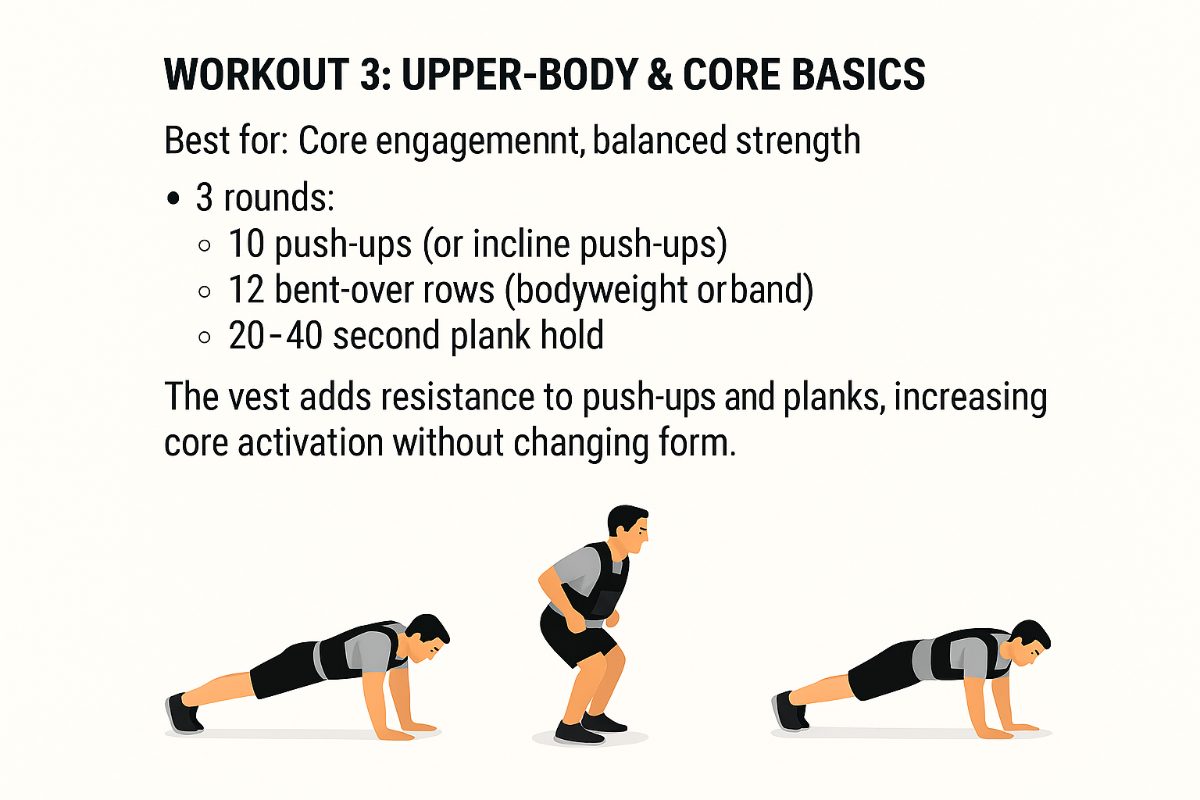
- Do CrossFit-style conditioning, ruck training, or weighted calisthenics (pull-ups, push-ups, air squats, burpees)
- Want a low-bounce, secure vest for higher-intensity movement, not just walking
- Are comparing tactical carriers like the 5.11 TacTec and want a lower-cost alternative
- Don’t need fine-grained weight adjustability — 14 or 20 lbs covers your training needs
It’s a poor fit if you’re a beginner who wants a light, comfortable vest for daily walks, or if you want to start very light and increase weight in small increments over time. For those goals, see my Best Weighted Vests for Beginners guide instead — and if you’re brand new to training with a vest at all, my Weighted Vest Training Guide and Is a Weighted Vest Safe? breakdown are worth reading first regardless of which vest you land on.
How It Compares to the 5.11 TacTec
The 5.11 TacTec is the vest most people compare this one to, since they’re built for a similar purpose — steel or ceramic plate carriers for tactical-style conditioning. The TacTec is a well-established, well-reviewed name in that space, and it typically costs more than the Invest Pro for a comparable weight. If budget is a real factor and you don’t need the 5.11 brand name specifically, the Invest Pro is a reasonable way to get a similar training experience for less. If you want the most established option regardless of price, the TacTec is still the safer, more proven pick.
Where to Buy It
The Invest Pro is available directly on Amazon in both weight options:
FAQs
Is the Invest Pro weight vest good for CrossFit?
Yes — its steel-plate design and adjustable strap system make it well-suited for higher-intensity functional fitness movements like Murph-style workouts, weighted pull-ups, and conditioning circuits, where a secure, low-bounce fit matters more than all-day softness.
What weights does the Invest Pro come in?
It’s available in 14 lb and 20 lb versions. There isn’t a lighter beginner option or a way to fine-tune the weight in small increments — if you want that, look at an adjustable sand or shot-fill vest instead.
Is the Invest Pro better than the 5.11 TacTec?
“Better” depends on your priority. The TacTec is the more established, proven name and tends to cost more. The Invest Pro delivers a similar steel-plate, tactical-style experience at a lower price point, making it a solid budget-conscious alternative rather than a strict upgrade.
Can beginners use the Invest Pro vest?
Beginners can use it, but it’s not the easiest starting point. Because it only comes in 14 lb or 20 lb versions with steel plates, it’s a bigger jump than most beginners need. If you’re new to weighted vest training, starting lighter and more adjustable — like the picks in my beginner vest guide — is the more comfortable entry point.
Final Verdict
If you’re specifically shopping for a tactical-style, steel-plate vest for CrossFit or conditioning work and want to spend less than a 5.11 TacTec, the Invest Pro is a legitimately solid option — secure fit, durable build, breathable interior, at a lower price than the name-brand alternative. If you’re a beginner looking for a lightweight vest for daily walks, this isn’t your vest — check out my Best Weighted Vests for Beginners picks instead.