
Protein for Weight Loss: How Much I Eat (and the Foods I Use)
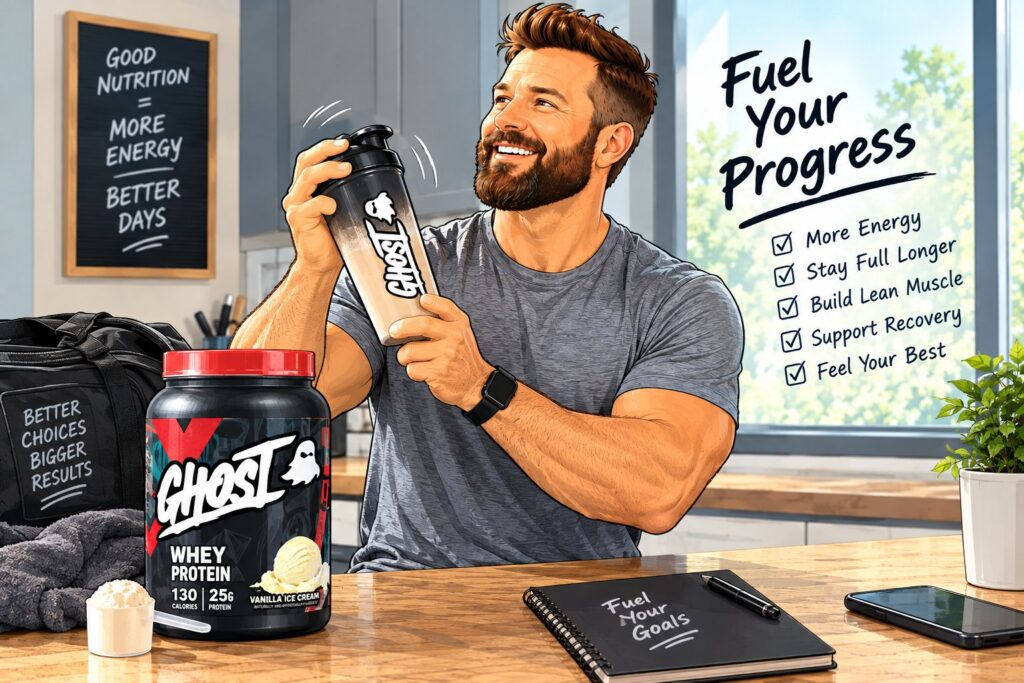
Eating more protein was one of the biggest changes that helped me lose 50 pounds. It kept me way more full throughout the day, so I snacked less, and it helped me keep my muscle while I was losing weight.
Here’s exactly how much protein I aim for, the foods and shakes I actually use, and the label mistake that trips up a lot of people.
Quick answer (updated October 2026): For weight loss, a simple target is about 1 gram of protein per pound of your goal body weight. Research suggests at least 0.7 grams per pound (1.6 g per kg) for most people, so 1 gram gives you some room. Build meals around eggs, lean chicken, lean ground beef, Greek yogurt and cottage cheese, and use protein shakes to fill the gaps.
Table of Contents
Why Protein Helps You Lose Weight
- It keeps you full. Higher-protein meals improve fullness, which makes a calorie deficit easier to stick with (Leidy et al., American Journal of Clinical Nutrition, 2015). For me, that meant way less snacking.
- It protects your muscle. In a meta-analysis of diet studies, higher-protein diets during calorie restriction led to more fat loss and less muscle loss than standard-protein diets (Wycherley et al., AJCN, 2012).
- It costs more energy to digest. Your body burns more calories digesting protein than carbs or fat. It’s a small effect, but it helps.
How Much Protein Do You Need to Lose Weight?
I aim for 160 to 180 grams of protein a day. My rule is simple: about 1 gram of protein for every pound of your ideal weight.
That’s on the generous side of the research, which is a good thing. A large meta-analysis found the benefits of protein for building muscle leveled off around 1.6 grams per kilogram of body weight, or about 0.7 grams per pound (Morton et al., British Journal of Sports Medicine, 2018). Aiming for 1 gram per pound of your goal weight keeps you above that minimum even on days you fall short.
| Goal weight | Daily protein target (1 g per lb) | Research minimum (0.7 g per lb) |
|---|---|---|
| 140 lb | 140 g | about 100 g |
| 160 lb | 160 g | about 112 g |
| 180 lb | 180 g | about 126 g |
| 200 lb | 200 g | about 140 g |
Not sure what your calorie target should be? Start with my calorie calculator, then fit your protein in first.
If you have kidney disease or another medical condition, talk to your doctor before raising your protein intake.
The Foods I Use to Hit My Protein
Most of my protein comes from the same handful of foods: eggs, chicken, beef, yogurt, cottage cheese and some cheese. Here’s how they compare by protein per 100 calories, which is the number that matters when you’re in a calorie deficit:
| Food (typical serving) | Calories | Protein | Protein per 100 calories |
|---|---|---|---|
| Chicken breast, cooked (4 oz) | about 185 | about 35 g | about 19 g |
| Premier Protein shake (11 oz) | 160 | 30 g | about 19 g |
| GHOST whey (1 scoop) | 130 | 25 g | about 19 g |
| Nonfat Greek yogurt (3/4 cup) | about 100 | about 17 g | about 17 g |
| Lean ground beef, 93/7 (4 oz raw) | about 170 | about 23 g | about 13 g |
| Low-fat cottage cheese (1/2 cup) | about 90 | about 12 g | about 13 g |
| Large egg (1) | about 72 | about 6 g | about 8 g |
| Cheddar cheese (1 oz) | about 110 | about 7 g | about 6 g |
| Peanut butter (2 tbsp) | about 190 | about 7 g | about 4 g |
Values are approximate and vary by brand, so check your labels.
The Biggest Protein Mistake: Not Reading the Label
The biggest mistake I see is not actually looking at the protein on the label. Plenty of foods are marketed as “protein” foods but aren’t very high in protein at all.
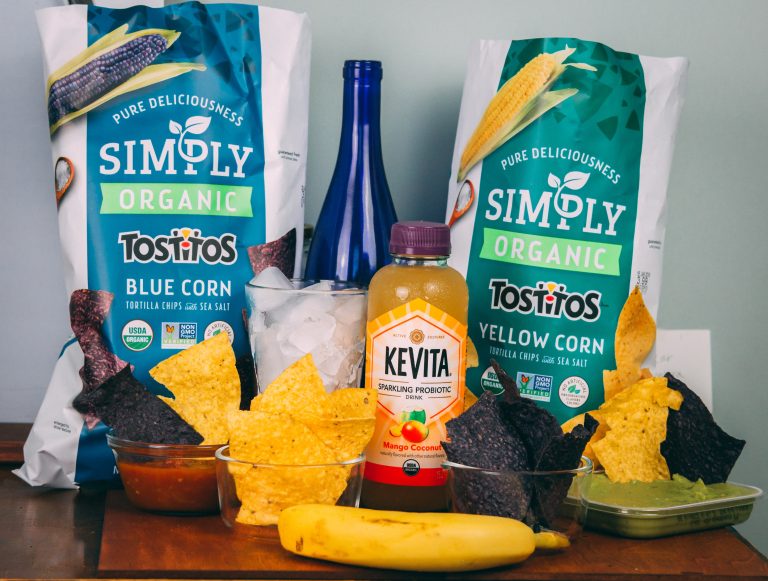
Peanut butter is the classic example. It was always touted as a high-protein snack, but it’s really not that high in protein, and it’s very high in fat and calories. Two tablespoons has about 190 calories and only about 7 grams of protein. Use the protein-per-100-calories check from the table above: anything around 10 grams or more is a solid protein source when you’re trying to lose weight.
How I Use Protein Shakes
I supplement with protein shakes, and they make hitting 160 grams a lot easier. I usually have one to replace breakfast or as an afternoon snack.
- Premier Protein ready-to-drink shakes are what I buy for convenience. Each 11 oz shake has 30 g of protein and 160 calories.
- Premier Protein powder is what I keep at home because it’s more affordable per serving (30 g of protein, 150 calories per scoop).
- GHOST Whey Protein is my favorite for flavor. I love the Fruity Pebbles flavor because it brings back childhood memories. Flavor availability changes, so check the listing for current options.
For more options, see my best protein powder picks. A good shaker bottle helps too.
Affiliate Disclosure: As an Amazon Associate, I earn from qualifying purchases. This means if you click on a link and make a purchase, I may receive a small commission at no extra cost to you.
The Hardest Part: Fitting Protein Into Your Calories
Honestly, the hardest part for me was getting enough protein while staying within my calorie goal. It took me a few weeks to really get a grip on what to cut and where. What helped:
- Plan your protein first. Pick the protein for each meal, then fill in the rest.
- Swap low-protein snacks for high-protein ones. Greek yogurt or cottage cheese instead of chips or peanut butter.
- Use a shake when you’re short. It’s the easiest 25 to 30 grams you’ll get all day.
- Track for a few weeks. Logging in an app like Cronometer or MyFitnessPal shows you exactly where your protein is coming from.
Protein for Weight Loss FAQ
How much protein should I eat to lose weight?
A simple target is about 1 gram per pound of your goal body weight. Research suggests at least about 0.7 grams per pound (1.6 g/kg) for most people, so anywhere in that range is a good place to start.
Is 1 gram of protein per pound too much?
For most healthy adults, no. It’s on the higher end, but it helps you stay full and keep muscle in a calorie deficit. If you have kidney disease or another medical condition, check with your doctor first.
Can protein shakes help you lose weight?
Yes, when they help you hit your protein goal within your calories. I use them to replace breakfast or as an afternoon snack. They aren’t magic on their own, but they make a high-protein diet much easier.
Is peanut butter a good source of protein?
Not really. Two tablespoons has about 7 grams of protein but around 190 calories, mostly from fat. It’s fine in small amounts, but it’s not an efficient protein source when you’re losing weight.
What are the best high-protein foods for weight loss?
Lean options with a lot of protein per calorie: chicken breast, lean ground beef, eggs and egg whites, nonfat Greek yogurt, low-fat cottage cheese, fish and protein shakes.
Does protein help you keep muscle while losing weight?
Yes. Studies show higher-protein diets during calorie restriction help preserve lean muscle. Pairing protein with strength training works even better.
Final Thoughts
If a friend asked me how to use protein to lose weight, I’d tell them: add in eggs, lean chicken and lean ground beef, and don’t be afraid to use protein shakes. For most people, eating more protein isn’t going to hurt you. It will only help.


5 Comments