Are Weighted Vests Good for Bone Density? What Osteoporosis Research Actually Says

If you’re searching for whether a weighted vest actually helps with bone density โ€” not just calorie burn โ€” you’re asking a more specific question than most fitness content bothers to answer. Bone loss accelerates sharply during perimenopause and menopause, and by the time most women start looking into osteoporosis or osteopenia, a vague “yes, it helps” isn’t good enough. You want the actual mechanism, the actual research, and a straight answer on whether this is worth doing.

This guide breaks down how bone actually responds to load, what the research on weighted vests specifically shows โ€” including the real numbers from the longest study on record โ€” how a bone-loading progression differs from the walking pace and duration guidance in our fat-loss content, and the safety considerations that matter most if you already have diagnosed osteoporosis or osteopenia.

For general weight selection basics and vest fundamentals, start with the Weighted Vest Training Guide. This one goes deeper, specifically for bone health.

How Bone Actually Responds to Load

Bone isn’t inert. It’s constantly being broken down and rebuilt, and the balance of that process shifts based on the mechanical stress you put it under. The cells that sense that stress are called osteocytes โ€” they make up roughly 90โ€“95% of all the cells in bone, and they act as the tissue’s built-in strain gauges. When they detect deformation from a load, they trigger a signaling cascade (involving calcium channels and MAP kinase pathways) that tells bone-building and bone-removing cells how to respond.

The catch is that not all loading is created equal. Research on osteogenic loading suggests bone responds most strongly once a load reaches somewhere around 4 times your body weight โ€” the range you get from jumping or heavy resistance training. Brisk walking, by comparison, loads bone at roughly 1โ€“2 times body weight. That gap is a big part of why “just walk more” is underwhelming advice for bone density specifically, even though it’s genuinely good advice for almost everything else.

That’s the actual case for a weighted vest here: it’s a way to raise that load multiple during walking, without adding impact, for people who can’t or don’t want to run or jump. It’s also worth noting that research on loading patterns has found that breaking a session into shorter bouts with brief rest between them appears to be more effective at stimulating bone than the same total load applied continuously โ€” one more reason a full day of light vest-wearing isn’t the same thing as a structured, loaded session.

What the Research on Weighted Vests and Bone Density Actually Shows

The most-cited study here followed 18 postmenopausal women (average age 64 at the start) for five years. The exercise group combined a weighted vest with jumping exercise, three sessions a week for 32 weeks each year. The results, measured at the hip:

  • Femoral neck bone density: +1.54% in the exercise group vs. โ€“4.43% in the control group
  • Total hip bone density: โ€“0.82% in the exercise group vs. โ€“3.80% in the control group

Read those numbers carefully: the vest-and-jumping group didn’t gain hip bone density outright โ€” they lost far less of it than the women who did nothing. That’s the realistic bar this kind of training sets at this age: slowing the loss, not reversing it. It’s also worth being precise about what was actually measured โ€” this study looked at the hip and femoral neck, not the spine, so it doesn’t directly answer the “spine” version of this question. (Study on PubMed)

A separate, shorter study progressively loaded a vest on 18 postmenopausal women over 12 weeks โ€” starting at 3% of body weight, increasing by 4% every three weeks, up to a maximum of 15% of body weight, combined with 65-minute sessions three times a week that included walking, strength work, and balance training. A bone-formation marker (osteocalcin) didn’t change significantly, but a bone-resorption marker (NTx) dropped by 14.5% โ€” a signal of less bone being broken down, even over a relatively short window. (Study on PubMed)

To be fully honest about where the evidence stands: Osteoporosis Canada’s position statement is more skeptical, noting there’s little direct evidence that wearing a vest during ordinary daily walking, on its own, increases bone density โ€” and that most of the positive results in the research come from vests paired with jumping or structured resistance training, not passive walking alone. That distinction matters more than most articles on this topic let on: a vest worn on your normal walk is a different intervention than a vest used inside a progressively loaded, structured routine.

How Much Weight, and How Fast โ€” A Bone-Loading Progression, Not the Fat-Loss Pace

The pacing guidance in our fat-loss content is built around heart rate and duration โ€” how brisk, how long, how often. Bone-loading progression is a different variable entirely: how heavy, how gradually, and how consistently, over months rather than weeks.

Based on the research above, a reasonable starting framework looks like this:

  • Start at roughly 3% of body weight (for a 150 lb person, that’s about 4.5 lbs)
  • Hold that load for a few weeks before adding more
  • Increase in small steps โ€” roughly 4% of body weight every three weeks
  • Progress toward a ceiling of about 10โ€“15% of body weight over roughly three months
  • Train three sessions a week, not daily, and pair the vest with actual strength or balance work rather than walking alone if bone density is the specific goal

That’s a noticeably slower, more conservative ramp than the weight guidance built for fat-loss walking โ€” see the Weighted Vest Training Guide for that comparison in full. If your goal is bone health specifically, borrowing the faster fat-loss progression is the wrong move.

Safety: What to Know Before You Start

This is the section to actually read carefully if you have a diagnosed bone density condition rather than a general prevention mindset.

  • Avoid spinal flexion and twisting while loaded. Bending forward under added weight is one of the more consistently flagged risk factors for vertebral compression fractures in people with low bone density.
  • Be cautious with existing spine issues. Arthritis in the spine, disc injuries, or a prior vertebral fracture are all reasons to get individualized guidance before adding external load โ€” the extra weight increases forces on the spine, especially during bending and twisting.
  • Balance changes with load. Extra weight on your torso shifts your center of gravity. Worth taking seriously if falls are already a concern.
  • Get clearance first if you have diagnosed osteoporosis. This article โ€” and any general fitness content โ€” isn’t a substitute for guidance from a doctor or physical therapist who knows your bone density scores, fracture history, and overall health.
  • Practice without the vest first. Confirm posture and form are solid before adding any load at all, then progress in the small increments outlined above.

Osteopenia and osteoporosis aren’t the same starting point, and neither is “I’m in perimenopause and being proactive.” The mechanism and general research above apply broadly, but how cautiously you should move depends on where you actually are, which is exactly the kind of thing worth a real conversation with a professional rather than a blog post.

Which Vest Actually Works for This Kind of Progression

A bone-loading progression calls for small, precise weight increases โ€” 4% of body weight every few weeks is often just a pound or two at a time, not the bigger jumps a general fat-loss routine might use. That makes an adjustable vest with fine increments the right pick here, rather than a fixed-weight design.

The ZELUS Weighted Vest is the one I’d point to for this specifically: it’s built for that kind of gradual adjustment and has enough range (up to 30 lbs) to carry most people from a light starting load all the way to that 10โ€“15% ceiling without needing to buy a second vest partway through.

*As an Amazon Associate, I earn from qualifying purchases.

FAQs

Does a weighted vest help with bone density?

It can help slow bone loss when it’s part of a structured, progressively loaded routine. The strongest evidence comes from a five-year study combining a vest with jumping exercise three times a week โ€” not from wearing one on casual daily walks. Even then, the realistic outcome for postmenopausal women was less bone loss compared to doing nothing, not a dramatic increase in bone density.

Is a weighted vest good for osteoporosis?

It may be a useful part of a broader routine, but this is exactly the situation where “may be” matters. Talk to your doctor or a physical therapist before starting, avoid spinal flexion or twisting while loaded, and start with a very light vest and a slow progression rather than following general fitness advice (including this article) as a substitute for individual guidance.

Is a weighted vest good for osteopenia?

Osteopenia โ€” bone density that’s lower than normal but not yet in the osteoporosis range โ€” is generally a lower-risk starting point for this kind of loaded exercise than diagnosed osteoporosis, but the same progression, posture, and safety guidance above still applies. It’s still worth a conversation with your doctor before starting, especially if you’re new to loaded exercise.

Can I use a weighted vest during perimenopause or menopause for bone health?

Yes, and the timing argument is actually a good one โ€” perimenopause and the years right around menopause are when bone loss accelerates fastest for most women, which is exactly when starting a slow, progressive loading routine (with a doctor’s clearance) is worth considering, rather than waiting until an osteoporosis diagnosis changes the risk calculus.

Final Thoughts

The mechanism behind weighted vests and bone density is real: bone responds to mechanical load, and adding weight to a walk raises that load without adding impact. But the evidence specifically for vests is smaller and more mixed than general exercise-and-bone research as a whole, and the studies showing real results paired the vest with jumping or structured strength work โ€” not passive walking alone.

If you’re considering this for bone health, the honest version of the advice is: progress slowly, keep the increments small, pair the vest with actual loaded exercise rather than just wearing it on your normal walk, and get individualized clearance if you already have a diagnosed bone density condition. That’s a different, more careful approach than the general fat-loss guidance elsewhere on this site โ€” and for this particular goal, it’s the one worth following.

Recovery & Biohacking Wellness: The Habits That Support Everything Else You’re Doing

Diet and exercise get most of the attention in a weight loss plan, but what you do in the hours around your workouts matters more than people expect. Recovery and biohacking habits โ€” how you manage heat and cold, whether you actually know what’s happening in your bloodwork, and how much you move outside the gym โ€” all shape how consistent you can stay and how good you feel along the way. None of these are required to lose weight, but each one removes a little friction from the process. Here’s where to start.

Hot and Cold: Two Recovery Tools Worth the Extra Effort

Saunas have been used for thousands of years, and the appeal hasn’t worn off โ€” a few minutes of heat can leave you more relaxed, improve circulation, and give your workout recovery a boost. See our full breakdown of saunas for health for how to get started. On the opposite end of the thermometer, cold exposure has become popular for its own set of benefits, from a metabolism bump to real gains in mental resilience. Our guide to cold exposure benefits covers the science, the risks, and practical ways to try it. You don’t need to pick a side โ€” plenty of people rotate between both.

Direct picks: a portable sauna on Amazon for the heat side, and a cold exposure tub on Amazon for the cold side.

Track What’s Happening Inside, Then Do Something About It

Diet and exercise are guesswork until you actually know your numbers. Our guide to blood tests covers what they reveal about your immune system, organ function, and overall health, plus faster and cheaper ways to get them done than a standard doctor’s visit. Once you know where you stand, non-invasive treatments like red light therapy are worth a look โ€” it uses red and near-infrared light to support healing, reduce inflammation, and speed up recovery.

Direct pick: the Hooga HG200 Red Light Therapy Panel on Amazon is a well-reviewed panel-friendly handheld option.

Movement That Doesn’t Look Like a Workout

Most of the day happens outside the gym, and that’s where a lot of progress quietly gets undone. If you spend most of your day at a desk, see our tips on how to stay active at a sedentary job without needing to carve out extra time. And movement isn’t just for your body โ€” our piece on exercise for brain health covers the cognitive and mood benefits that show up long before the scale does, which is often the reason people stick with a routine in the first place.

Quick-Start Checklist

None of this needs to happen at once. Pick one or two to start with this week:

  • Try one heat or cold session โ€” a sauna visit or a short cold shower โ€” and notice how you feel afterward
  • Get baseline blood work done if you haven’t had it checked recently
  • Look into a red light therapy session if you have access to a panel or studio nearby
  • Set a reminder to stand up or walk for a few minutes every hour if you sit most of the day
  • Add one walk or workout this week specifically for how it makes your head feel, not just your body

Putting It Together

Weight loss is still mostly about what you eat and how much you move, but recovery and biohacking habits are what make the rest of it sustainable. Heat and cold exposure, knowing your bloodwork, and moving throughout the day โ€” even when it doesn’t look like a workout โ€” all add up. Start with whichever one sounds the least like a chore, and build from there.

Healthy Eating for Weight Loss: Meals, Snacks, and Strategies That Actually Work

Workouts get most of the attention, but for most people trying to lose weight, what happens in the kitchen matters more than what happens at the gym. You can’t out-train a bad diet โ€” and most people who struggle with weight loss aren’t failing because of their workouts, they’re failing because their eating plan isn’t something they can actually live with long-term. The good news is that eating well for weight loss doesn’t have to mean bland food, expensive meal kits, or white-knuckling your way through every meal. This guide pulls together the mindset shifts, meals, snacks, and tools that actually make healthy eating sustainable โ€” not just for a week, but for good.

Start With Your Mindset, Not Your Meal Plan

Before you touch a single recipe, it’s worth understanding why eating well is hard in the first place. Cravings are one of the biggest reasons diets fall apart โ€” not a lack of willpower, but predictable triggers you can actually plan around. See our breakdown of 5 strategies to curb cravings for tactics that go beyond “just don’t eat it.” A simple rule that helps: plan for the moments you know are coming โ€” the 3pm slump, the after-dinner sweet tooth โ€” instead of hoping willpower shows up in the moment. Pairing that with mindful eating โ€” slowing down and actually paying attention to what’s on your plate โ€” makes a bigger difference than most people expect, often without changing a single ingredient. And since almost nobody cooks every meal, it helps to know how to handle healthy fast food choices instead of treating every drive-thru trip as a diet failure.

Meals Worth Making

Once your head is in the right place, the next question is what to actually eat. None of the meals below require special ingredients or a full Sunday meal-prep session โ€” they’re built around foods you can keep stocked and repeat without getting bored. A few small swaps go a long way: our roundup of the best low carb tortillas for weight loss covers what to reach for once bread and regular tortillas are off the table. When you want something that feels indulgent, this low calorie pizza recipe is proof you don’t have to give up pizza night. For a fast, protein-heavy lunch, the high protein turkey sandwich is one of the easiest meals to build a habit around, and if you’d rather drink your nutrients, our best weight loss drink recipe is a simple one to keep on rotation.

Snacking, Shakes, and the Right Tools

Snacking is where most weight loss plans quietly fall apart โ€” not because snacking is bad, but because the easiest snacks to grab are rarely the best ones. The goal isn’t to snack less, it’s to make the convenient choice and the healthy choice the same choice. Start with our list of healthy snacks for options that won’t derail your day, and if protein is your priority, the best high protein snacks roundup covers picks that actually keep you full. If shakes and smoothies are part of your routine, the right gear matters more than people think โ€” a good set of mixer bottles makes protein shakes painless, and one of the best blenders on our list turns smoothies into a two-minute habit instead of a chore.

Direct picks if you want to skip straight to the gear: our top mixer bottle is the BlenderBottle ProStak on Amazon, and for blending, we personally use and recommend the Ninja Personal Blender on Amazon.

Quick-Start Checklist

If you only take one thing from this guide, make it this: pick two or three of these to start, not all of them at once.

  • Pick one craving trigger you hit almost every day and plan a specific response for it
  • Swap one regular meal this week for a lighter version โ€” tortillas, pizza, or a protein-heavy sandwich
  • Keep 2โ€“3 healthy snacks stocked and visible so they’re the easy choice, not the backup plan
  • If you drink shakes or smoothies, make sure your bottle or blender isn’t the reason you skip them
  • Practice one meal a day where you eat without your phone or TV on

Putting It Together

None of this works as a one-time overhaul โ€” it works as a handful of small, repeatable habits: a better mindset around cravings, a few reliable meals, smarter snacking, and the right tools to make it easy. Start with whichever piece feels hardest right now, and build from there.

Can Weight Loss Lower Cholesterol? Yesโ€”Here’s The #1 Way It Can Help

Can Weight Loss Lower Cholesterol

If youโ€™re overweight and have high cholesterol, you may be wondering: Can weight loss lower cholesterol?

The short answer is yes.

Need a total weight loss plan? Read more information from my lose weight fast post.

Losing excess weight can improve several cholesterol and heart-health markers, including LDL cholesterol, HDL cholesterol, and especially triglycerides. But how much your numbers improve will depend on several factors, including how much weight you lose, your diet, activity level, genetics, age, and your starting cholesterol levels.

This article by Medline Plus give more in-depth insight into this topic.

The good news is that you don’t necessarily have to reach your ultimate goal weight before you start seeing benefits.

1. Can Weight Loss Actually Lower Cholesterol?

Yes, weight loss can absolutely lower cholesterol.

When you lose excess body weight, your body often becomes more metabolically healthy. This can lead to improvements in your cholesterol profile, blood pressure, blood sugar, and other markers of cardiovascular health.

For many people, losing weight is one of the most effective lifestyle changes they can make when trying to improve their overall health.

However, weight loss isn’t a guarantee that cholesterol will return to a normal range. Some people continue to have high cholesterol even after losing significant amounts of weight, particularly when genetics or certain medical conditions are involved.

2. How Much Weight Do You Need to Lose to Lower Cholesterol?

You don’t necessarily need to lose 50 or 100 pounds to start making a difference.

For many people, losing approximately 5% to 10% of their starting body weight can produce meaningful improvements in metabolic health and cholesterol-related markers.

For example, someone who weighs 250 pounds could potentially see health benefits from losing just 12.5 to 25 pounds.

That is important because it gives you a much more achievable first goal.

Instead of thinking, “I have to lose 75 pounds,” think:

“What would losing the first 5% to 10% of my body weight look like?”

That can be enough to start moving several health markers in the right direction.

3. Which Cholesterol Numbers Improve the Most With Weight Loss?

Weight loss can affect several parts of your cholesterol profile, but the changes aren’t necessarily the same for everyone.

LDL cholesterol

LDL is often referred to as “bad cholesterol.” Losing weight can help lower LDL in some people, although the response can vary considerably.

HDL cholesterol

HDL is often called “good cholesterol.” Weight loss, particularly when combined with regular physical activity, can sometimes help improve HDL levels.

Triglycerides

This is where weight loss can make a particularly noticeable difference.

Triglycerides are a type of fat found in your blood, and they are often elevated in people who are overweight or have insulin resistance. Losing weight and improving your diet can produce significant reductions in triglycerides.

So if you’re looking at your entire lipid panel, don’t focus exclusively on LDL.

Triglycerides, HDL, LDL, and other cardiovascular risk factors all matter.

4. Why Does Losing Weight Improve Cholesterol?

So what is actually happening inside your body when you lose excess weight?

One reason is that weight loss can improve insulin sensitivity and metabolic health.

Excess body fat, particularly visceral fat around the abdominal area, is associated with metabolic dysfunction and inflammation. As you lose excess fat, your body may become more sensitive to insulin and your metabolism can improve.

Your liver also plays an important role in cholesterol metabolism.

Rather than thinking about weight loss as simply making you “smaller,” think of it as potentially improving how your body processes and regulates energy, fats, glucose, and cholesterol.

That’s one reason why even relatively modest weight loss can have meaningful health benefits.

5. What Is the Best Diet for Losing Weight and Lowering Cholesterol?

There isn’t one magical diet that everyone has to follow.

The Mediterranean diet and whole-food diets are popular choices because they emphasize nutrient-dense foods and can be very heart-healthy.

But other approaches, including lower-carbohydrate diets, keto, and other dietary patterns, can also help some people lose weight and improve their metabolic health.

The biggest factor is often whether the diet helps you consistently maintain a calorie deficit and lose excess weight.

In other words, the best diet isn’t necessarily the diet with the best name.

It’s the diet you can actually stick with.

At the same time, the quality of the foods you eat still matters. A calorie deficit is important for weight loss, but choosing nutritious foods can make it easier to get the protein, fiber, vitamins, minerals, and other nutrients your body needs.

6. What Should You Eat to Lose Weight and Improve Cholesterol?

One of the first things I recommend paying attention to is protein intake.

A reasonable target for many people trying to lose weight is around 0.7 to 1 gram of protein per pound of goal body weight, although individual needs can vary.

Protein can help with fullness and makes it easier to preserve muscle while losing weight.

From there, your carbohydrates and fats can be adjusted based on your preferences and calorie needs.

For someone trying to lose weight, I wouldn’t necessarily say that carbohydrates or fats are “bad.” The bigger issue is usually how much you’re eating overall and whether your food choices help you stay within your calorie target.

For cholesterol specifically, it’s also worth paying attention to overall diet quality, fiber intake, and the types of fats you’re consuming.

7. How Fast Can Cholesterol Improve After Losing Weight?

This is different for everyone.

Your starting weight, activity level, genetics, diet, and how consistently you follow your plan can all affect how quickly you see changes.

For weight loss itself, a rate of around 1 to 2 pounds per week is a reasonable goal for many adults after the initial water-weight changes.

The important thing is to think long-term.

You don’t need to lose all of your excess weight in a few weeks to start benefiting.

Consistently losing weight over several months can produce substantial improvements in your overall health.

And remember that cholesterol numbers don’t necessarily change at exactly the same rate as the number on the scale. That’s why follow-up blood work can be useful.

8. Can You Have High Cholesterol Even After Losing Weight?

Absolutely.

This is an important point that sometimes gets overlooked.

Weight isn’t the only factor that determines your cholesterol levels.

Genetics, age, medical conditions, medications, diet, and other factors can all influence cholesterol.

Some people can be lean, physically active, eat a healthy diet, and still have high LDL cholesterol because of their genetics.

If you’ve made significant lifestyle improvements and your cholesterol remains elevated, don’t assume you’re doing something wrong.

Talk with your healthcare provider about your individual numbers and overall cardiovascular risk. Depending on your situation, they may recommend additional testing, lifestyle changes, or medication.

9. What Other Heart-Health Benefits Come From Losing Weight?

Lowering cholesterol isn’t the only reason to lose excess weight.

Weight loss can also improve other important cardiovascular and metabolic health markers.

For example, losing excess weight can help lower blood pressure and may improve resting heart rate and overall cardiovascular fitness, particularly when weight loss is combined with regular physical activity.

You may also see improvements in blood sugar control, insulin sensitivity, sleep, energy levels, and physical mobility.

That’s why I don’t like to look at weight loss as simply a number on a scale.

The scale is one measurement.

Your blood pressure, cholesterol, blood sugar, fitness, energy, and overall quality of life are important measurements too.

10. What Should You Do First If You Have High Cholesterol and Are Overweight?

If you’re currently overweight and have high cholesterol, don’t feel like you need to completely overhaul your life tomorrow.

Start by figuring out where you are.

One strategy I like is to track your normal food intake for a few days without changing anything.

Don’t try to eat perfectly. Don’t intentionally eat less.

Just find out what you’re actually eating.

Once you have that information, you can estimate your total daily calorie needs and establish a reasonable calorie deficit.

For many people, a deficit of around 500 calories per day is a reasonable starting point for gradual weight loss, although individual calorie needs vary.

And don’t underestimate walking.

I like the goal of 10,000 steps per day because it’s simple and gives people something measurable to work toward. There’s nothing magical about exactly 10,000 steps, though. If you’re currently getting 3,000 steps a day, getting to 5,000 or 7,000 is still a meaningful improvement.

The goal isn’t perfection.

The goal is to consistently do more than you were doing before.

The Bottom Line: Can Weight Loss Lower Cholesterol?

Yes, losing excess weight can improve your cholesterol and overall cardiovascular health.

Even losing 5% to 10% of your starting body weight can be a meaningful first goal. LDL may improve, HDL may improve, and triglycerides can sometimes decrease substantially.

But remember that weight loss isn’t the only piece of the puzzle.

Your genetics, age, diet, activity level, medical history, and other factors can all affect your cholesterol. Some people will see dramatic improvements from weight loss, while others may still need additional treatment.

If you’re overweight and have high cholesterol, don’t wait until you’ve reached your “ideal” weight before you start making changes.

Start with the first 5%.

Track what you’re eating.

Create a reasonable calorie deficit.

Prioritize protein and nutritious foods.

Move more.

And give your body time to respond.

You don’t have to lose all the weight to start getting some of the benefits.

Keep Reading

How to Lose 10 Pounds in a Month: A Safe, Step-by-Step Guide

To lose 10 pounds in a month is one of the most common fitness goals, but if you search the internet, you’ll find a lot of dangerous advice. Extreme crash diets and exhausting 3-hour workouts might give you quick results, but they usually lead to burnout, muscle loss, and gaining the weight right back.

At me-fitter.com, we believe in getting fitter the right way.

Losing 10 pounds in 30 days is ambitious, but entirely possible. It requires a steady, disciplined approach that combines a smart diet, targeted movement, and lifestyle tweaks. Here is your science-backed blueprint to hit your goal safely and keep the weight off for good.


lose 10 pounds in a month

The Math Behind Losing 10 Pounds

To lose 10 pounds in a month, you must create a calorie deficit, meaning you burn more calories than you consume.

Generally, one pound of fat equates to roughly 3,500 calories. To lose 10 pounds in a month, you need to shed about 2.5 pounds per week, which requires a daily deficit of roughly 1,250 calories.

A Quick Reality Check: A 1,250-calorie deficit purely from food is too drastic and unsafe. The secret is splitting the difference: cut some calories from your diet and burn the rest through increased physical activity.

Refer to this Article from Science Focus for more scientific information.


1. Dial In Your Nutrition (Without Starving)

You can’t out-exercise a bad diet. To lose 10 pounds in a month, focus on high-volume, nutrient-dense foods that keep you full.

  • Prioritize Lean Protein: Protein is your secret weapon. It boosts your metabolism through the thermic effect of food and keeps you satiated. Fill your plate with chicken breast, fish, tofu, eggs, and Greek yogurt.
  • Load Up on Fiber: Vegetables, berries, legumes, and whole grains slow down digestion. This prevents blood sugar spikes and keeps random cravings at bay.
  • Track Your Intake: Use a tracking app for just one week. Youโ€™ll be shocked at how quickly “healthy” handfuls of nuts, cooking oils, and liquid calories add up.
  • Ditch Liquid Calories: Swap sodas, sugary coffees, and alcohol for water, black coffee, or herbal teas. This adjustment alone can easily cut 300 to 500 calories a day.

2. Optimize Your Workout Routine

To maximize fat loss while preserving lean muscle, you need a mix of strength training and cardio.

Lift Weights 3โ€“4 Times a Week

Muscle tissue burns more calories at rest than fat tissue. Focus on compound movements that recruit multiple muscle groups at once, such as:

  • Squats and Lunges
  • Push-ups or Bench Presses
  • Rows and Lat Pulldowns

Increase Your NEAT (Non-Exercise Activity Thermogenesis)

Structured workouts are great, but the movement you do outside the gym matters just as much. NEAT includes walking, cleaning, and pacing. Aim for 8,000 to 10,000 steps a day. Taking a 10-minute walk after each meal is an effortless way to hit this target.

Add Strategic Cardio

You don’t need to run marathons. Add 20 to 30 minutes of moderate-intensity cardio (like brisk walking on an incline or cycling) after your weight sessions, or sprinkle in two short HIIT (High-Intensity Interval Training) sessions a week.


3. Master the “Invisible” Weight Loss Factors

If your diet and exercise are perfect but you aren’t losing weight, your lifestyle habits might be sabotaging you.

I go deeper on these everyday weight loss habits in a separate guide if you want the full breakdown.

  • Get 7โ€“8 Hours of Sleep: Sleep deprivation spikes cortisol (the stress hormone) and ghrelin (the hunger hormone). When you are exhausted, your brain actively craves high-calorie, sugary foods.
  • Manage Your Stress: Chronic stress triggers emotional eating and causes your body to hold onto visceral fat. Practice mindfulness, deep breathing, or simple outdoor walks to decompress.
  • Hydrate Consistently: Mild dehydration is often mistaken for hunger. Drink a large glass of water 30 minutes before every meal to naturally control your portion sizes.

A Realistic 4-Week Timeline

Weight loss isn’t a straight line. Here is what you can realistically expect over the next 30 days:

WeekWhat’s Happening to Your Body
Week 1The Initial Drop: You might lose 3โ€“4 pounds quickly. This is mostly water weight and reduced bloating as you cut back on carbs and sodium.
Week 2The Adjustment Phase: Weight loss might slow down to 1โ€“2 pounds. Your body is adapting to the calorie deficit. Stay consistent!
Week 3The Fat-Burning Zone: Youโ€™ll start noticing changes in how your clothes fit. Energy levels should stabilize as your metabolism adjusts.
Week 4The Home Stretch: By keeping your habits tight, you will approach or hit that 10-pound mark, feeling lighter, tighter, and more energized.

Bottom Line: Consistency Wins

Can you lose 10 pounds in a month? Yes. But remember that the number on the scale is only one metric of success. If you lose 8 pounds of pure fat and build lean muscle, you will look and feel much better than if you starved yourself to lose 12 pounds of water and muscle.

Treat this month as the kickoff to a healthier, sustainable lifestyle. Focus on daily habits, celebrate the small wins, and let me-fitter.com guide you every step of the way.

Keep Reading

Best Home Gym Equipment for Weight Loss (Simple Setup That Actually Works)

When I started losing weight, I thought I needed a full gym setup to get results.

I was wrong.

If you’re building a home gym, this guide will show you the best home gym equipment for weight loss โ€” and how each one fits into your routine.

๐Ÿ‘‰ What actually worked was keeping things simple and consistent.

Instead of buying everything at once, I focused on a few key pieces of equipment that:

  • Didnโ€™t take up much space
  • Supported simple workouts
  • Helped me stay consistent

Quick Picks: Best Home Gym Equipment

If you want the fastest setup, start here:


Best Home Gym Equipment for Weight Loss
Photo by Brett Jordan on Unsplash

Why You DONโ€™T Need a Full Gym Setup

Most people fail with home gyms because they:

  • Buy too much equipment
  • Overcomplicate workouts
  • Lose consistency

๐Ÿ‘‰ The goal is not to build a gym.

๐Ÿ‘‰ The goal is to build a routine youโ€™ll stick to.

These four pieces of equipment cover everything you need:

  • Strength training
  • Conditioning
  • Daily calorie burn
  • Exercise variety

๐Ÿ‹๏ธ Adjustable Dumbbells (The Most Important Piece)

If you only buy one thing, it should be dumbbells.

They allow you to:

  • Train your entire body
  • Build and maintain muscle
  • Keep workouts simple

๐Ÿ‘‰ Most people will get 80% of their results from dumbbells alone.

Best for:

  • Beginners
  • Small spaces
  • Full-body workouts

๐Ÿ‘‰ See full guide: Best Dumbbells for Home Gym

Direct pick: PowerBlock Adjustable Dumbbells on Amazon โ€” our best-overall pick.


๐Ÿ”ฅ Kettlebells (Best for Fat Loss + Conditioning)

Kettlebells are one of the most efficient tools for:

  • Burning calories
  • Combining strength + cardio
  • Short, effective workouts

The unique shape allows for movements like:

  • Swings
  • Cleans
  • Carries

๐Ÿ‘‰ Great if you want fast, simple workouts.

Best for:

  • Weight loss
  • Quick sessions
  • Conditioning

๐Ÿ‘‰ See full guide: Best Kettlebells for Home Gym

Direct pick: Kettle Gryp on Amazon โ€” turns dumbbells you already own into a kettlebell, our best space-saver pick.


๐Ÿšถ Weighted Vests (Underrated for Fat Loss)

This is one of the most overlooked tools.

A weighted vest:

  • Adds resistance to walking
  • Increases calorie burn
  • Keeps your routine simple

๐Ÿ‘‰ This is one of the easiest ways to make daily activity more effective.

Best for:

  • Walking
  • Daily calorie burn
  • Low-impact training

๐Ÿ‘‰ See full guide: Best Weighted Vests on Amazon

Direct pick: ZELUS Weight Vest on Amazon โ€” our best-overall pick.


๐Ÿ›๏ธ Adjustable Weight Bench (Makes Everything Better)

A bench is not required โ€” but it makes workouts easier.

It allows you to:

  • Add more exercise variety
  • Improve positioning
  • Train safely and comfortably

Best for:

  • Upper body workouts
  • Stability and comfort
  • More exercise options

๐Ÿ‘‰ See full guide: Best Adjustable Weight Benches


My Approach: Why This Setup Actually Works

When I was losing weight, I didnโ€™t:

  • Train for hours
  • Use complicated machines
  • Chase the โ€œperfectโ€ plan

Instead, I combined:

  • Daily walking
  • Simple strength training
  • Consistency over intensity

This setup works because:

  • Itโ€™s simple
  • Itโ€™s flexible
  • It removes excuses

๐Ÿ‘‰ And thatโ€™s what actually produces results.


Do You Need All of This Equipment?

No.

Start with: ๐Ÿ‘‰ Dumbbells

Then add:

  • Kettlebells โ†’ for variety
  • Vest โ†’ for walking
  • Bench โ†’ for comfort

๐Ÿ‘‰ Build over time โ€” not all at once.


Final Thoughts

The best home gym equipment isnโ€™t the biggest set.

It isn’t the most state of the art one.

It isn’t the most expensive one either.

Itโ€™s the one you actually use.

If you focus on:

  • Simplicity
  • Consistency
  • A few solid tools

Youโ€™ll get better results than most people with full gym setups.


Next Steps: Best Home Gym Equipment

If youโ€™re ready to build your setup:

For the full picture on getting started โ€” space, budget, flooring, and workout planning โ€” see our complete home gym guide.

Best Weighted Vest Workouts for Beginners

Over time, I found that beginner weighted vest workouts donโ€™t need to be complicated to be effective. The exercises below focus on everyday movement patterns that build strength, improve conditioning, and support fat loss without overwhelming beginners or increasing injury risk.

weighted vest workouts

When I first started using a weighted vest, I made the mistake most beginners makeโ€”doing too much, too fast. A weighted vest isnโ€™t meant to turn every workout into a maxโ€‘effort session. Instead, itโ€™s a tool that works best when combined with simple movements, good form, and consistency.

This guide covers simple weighted vest exercises, how to structure workouts, and how to get started safely.

Want more of an overview of weighted vest benefits? Here are the Weighted Vest Benefits: Walking, Fat Loss, and Strength

Here is a complete list of the Best Home Gym Equipment that I recommend.


Why Weighted Vests Are Great for Beginners

Weighted vests allow beginners to:

  • Progress gradually using familiar exercises
  • Increase intensity without adding complex movements
  • Build strength while improving cardiovascular fitness
  • Keep workouts short, effective, and repeatable

Because the load is evenly distributed, most people find weighted vest workouts easier to manage than dumbbells or machines when starting out.


How Heavy Should a Beginner Weighted Vest Be?

For beginners:

  • Start with 5โ€“10% of body weight
  • Focus on comfort and posture first
  • Increase weight only after 2โ€“3 weeks of consistent use

A lighter vest used consistently beats a heavy vest used inconsistently.


โœ… Beginner Weighted Vest Workouts (Fullโ€‘Body Focus)

Workout 1: Walking + Bodyweight Circuit


Workout 2: Lower-Body Strength


Workout 3: Upper-Body & Core Basics


Workout 4: Simple Conditioning Circuit

How Often Should Beginners Do Weighted Vest Workouts?

A smart beginner schedule:

  • โœ… 2โ€“3 sessions per week
  • โœ… Alternate workout days
  • โœ… Avoid backโ€‘toโ€‘back loaded sessions early on

Progress comes from consistency, not exhaustion.


Common Beginner Mistakes to Avoid

  • Starting too heavy too soon
  • Using weighted vests for running immediately
  • Ignoring posture during walking
  • Treating every workout like HIIT

Weighted vest workouts are most effective when used as a progressive tool, not a punishment.


How Weighted Vest Workouts Fit Into a Bigger Plan

Iโ€™ve found that weighted vest exercises work best when paired with:

  • Regular walking
  • Simple strength routines
  • Sustainable nutrition habits

Theyโ€™re not meant to replace everything elseโ€”they enhance what youโ€™re already doing.


If youโ€™re ready to choose gear, I break down the best weighted vests for walking and beginner workouts based on comfort, adjustability, and realโ€‘world use.


Are weighted vest workouts good for beginners?

Yes, weighted vest workouts are beginnerโ€‘friendly when started with light weight and simple exercises. Beginners benefit most by using a vest during walking, squats, pushโ€‘ups, and basic circuits while focusing on good posture and controlled movement before increasing load.

How heavy should a weighted vest be for beginners?

Beginners should start with a weighted vest that is about 5โ€“10% of body weight. This allows the body to adapt safely while improving strength and conditioning. The weight can gradually increase after a few weeks of consistent, painโ€‘free training.

Can weighted vest workouts help with fat loss?

Weighted vest workouts can support fat loss by increasing calorie burn during walking and bodyweight exercises. The added resistance raises heart rate and energy expenditure without requiring longer or higherโ€‘impact workouts, making them effective for sustainable, lowโ€‘stress fatโ€‘loss routines.

What are the best weighted vest exercises for beginners?

The best beginner weighted vest exercises include walking, squats, lunges, stepโ€‘ups, pushโ€‘ups, and planks. These movements use natural patterns, build fullโ€‘body strength, and allow beginners to progress safely without complex techniques or excessive joint stress.

How often should beginners do weighted vest workouts?

Beginners should perform weighted vest workouts 2โ€“3 times per week, allowing rest days between sessions. This frequency supports adaptation and recovery while reducing the risk of overuse injuries, especially when combining weighted vest training with walking or basic strength exercises.

Is it safe to walk every day with a weighted vest?

Walking daily with a weighted vest can be safe if the weight is light, posture is maintained, and sessions are moderate in length. Beginners should avoid wearing a vest all day and gradually build duration to prevent joint or lowerโ€‘back discomfort.

Should beginners use weighted vests for running?

Running with a weighted vest is not recommended for beginners. The increased impact and loading can stress joints and connective tissue. Beginners should focus on walking and strengthโ€‘based weighted vest exercises before considering higherโ€‘impact activities.

Final Thoughts: Are Weighted Vest Workouts Good for Beginners?

Yes โ€” when done correctly. The best weighted vest workouts for beginners focus on simple movements, moderate loads, and steady progress. Walking, bodyweight exercises, and short circuits provide plenty of challenge without unnecessary risk.

If youโ€™re looking for a way to increase workout intensity while keeping things simple, weighted vest training is one of the most beginnerโ€‘friendly options available.

Weighted Vest Benefits: Walking, Fat Loss, and Strength

Over time, walking with a weighted vest became one of the simplest tools I used to increase difficulty, improve conditioning, and support fat lossโ€”without needing longer workouts or complicated programs. This article breaks down the weighted vest benefits, how they apply specifically to walking, fat loss, and strength, and who should (and shouldnโ€™t) consider using one.

When I first started incorporating a weighted vest into my routine, it wasnโ€™t for extreme workouts or flashy training methods. It was mainly for walking. At that point in my weightโ€‘loss journey, consistency mattered far more than intensity, and I was looking for a way to gradually increase my calorie burn and strength without beating up my joints or risking burnout.

If youโ€™re interested in adding a vest to your routine, Iโ€™ve broken down the best weighted vests for walking and fat loss based on fit, comfort, and realโ€‘world use.

weighted vest benefits

What Is a Weighted Vest?

A weighted vest is a training tool designed to add external load evenly across your torso. Unlike holding dumbbells or wearing a backpack, a properly fitted weighted vest distributes weight close to your center of gravity, allowing you to move naturally while increasing resistance.

Weighted vests are commonly used for:

  • Walking and hiking
  • Bodyweight strength training
  • Cardio conditioning
  • Lowโ€‘impact fatโ€‘loss routines

โœ… Weighted Vest Benefits for Walking

Best for: Lowโ€‘impact progression, daily activity, beginners

One of the biggest benefits of a weighted vest is how well it pairs with walking. Walking already provides cardiovascular and metabolic benefits, and adding weight simply makes that same activity more demanding without changing the movement itself.

Key weighted vest benefits when walking:

  • Increased calorie expenditure without increasing pace
  • Higher heart rate during steadyโ€‘state walks
  • Improved posture and core engagement
  • More time under tension for lowerโ€‘body muscles

For people who donโ€™t enjoy running or highโ€‘impact cardio, walking with a weighted vest is one of the easiest ways to make daily movement more effective while keeping stress on the joints low.


โœ… Weighted Vest Benefits for Fat Loss

Best for: Sustainable calorie burn, consistency, plateaus

Fat loss ultimately comes down to maintaining a calorie deficit over time. A weighted vest helps by increasing the energy cost of movements youโ€™re already doing, especially walking, light workouts, and daily activity.

How a weighted vest supports fat loss:

  • Raises total daily energy expenditure
  • Adds resistance without increasing workout duration
  • Encourages consistency by keeping workouts manageable
  • Helps break plateaus without extreme cardio

Instead of doing more workouts or longer sessions, wearing a vest allows small, repeatable increases in intensityโ€”an approach thatโ€™s far easier to maintain longโ€‘term.


โœ… Benefits of Weighted Vests for Strength

Best for: Functional strength, posture, muscular endurance

Although weighted vests are often associated with cardio, they also provide meaningful strength benefitsโ€”especially when used during bodyweight exercises.

Strengthโ€‘focused benefits:

  • Improves lowerโ€‘body strength through loaded walking
  • Builds core and postural strength through sustained load
  • Enhances muscular endurance
  • Reinforces proper movement mechanics

Because the weight is carried close to the body, weighted vests challenge stabilizing muscles without dramatically altering natural movement patterns, making them useful for everyday strength development.


How I Used a Weighted Vest in My Routine

For me, the biggest benefit came from walking with a weighted vest during lowโ€‘intensity sessions. I started light, focused on posture and comfort, and gradually increased load as my conditioning improved. I didnโ€™t use the vest every day, and I avoided overloading early on.

The vest was never the โ€œsolutionโ€ on its ownโ€”it worked because it fit into a broader approach focused on daily movement, manageable nutrition, and longโ€‘term sustainability.

If you want a more structured path than trial and error, my Weighted Vest Training Guide breaks down how to build up load and workouts week by week.

For walking-based fat loss specifically, the ApexUp Weight Vest is the pick I recommend in my full vest breakdown โ€” itโ€™s built for exactly this kind of steady, low-impact use.


Who Should Use a Weighted Vest (And Who Should Avoid It)

โœ… Good fit if you:

  • Prefer walking over running
  • Want lowโ€‘impact fatโ€‘loss tools
  • Are building consistency first
  • Want gradual intensity increases

โŒ Not ideal if you:

  • Jump straight to heavy loads
  • Have unresolved joint or back issues
  • Use it for long runs without adaptation
  • Ignore posture and recovery

Like most tools, weighted vests are effective when used thoughtfullyโ€”not aggressively.

Check out this Article by Atlantic Health on the Pros and Cons of Weighted Vests.


FAQs

Does a weighted vest help you lose weight?

Yes, indirectly. A weighted vest doesnโ€™t burn fat on its own, but it increases the energy cost of things youโ€™re already doingโ€”especially walking. That extra resistance raises your total daily calorie burn without adding more time or intensity to your workouts, which is what made it useful for me during periods when consistency mattered more than pushing harder.

Does walking with a weighted vest help you lose weight?

It can, especially if walking is already a big part of your routine. Wearing a vest on walks I was doing anyway let me add resistance gradually, without changing my schedule or beating up my joints. Itโ€™s one of the easiest ways to nudge calorie burn upward without turning a walk into a workout.

What are the benefits of a weighted vest for walking?

The main ones are a higher calorie burn from added resistance, better consistency because it doesnโ€™t require longer or harder sessions, and some added lower-body and postural strength from carrying the extra load. It let me increase difficulty without changing the exercise itself.

Can a weighted vest help with weight loss on its own?

Noโ€”and Iโ€™d be skeptical of anything that claims otherwise. For me, the vest only worked because it fit into a broader approach: consistent movement, reasonable nutrition, and patience. Itโ€™s a tool that makes the things youโ€™re already doing slightly more effective, not a replacement for them.

Final Thoughts: Are Weighted Vests Worth It?

When used appropriately, the benefits of weighted vests extend well beyond simple calorie burn. They make walking more effective, support fat loss without extreme methods, and build functional strength in a way that feels sustainable.

If your goal is longโ€‘term progressโ€”especially through walking and lowโ€‘impact movementโ€”a weighted vest can be a valuable addition when paired with a realistic plan and consistent habits.

Best Weight Loss YouTube Channels (That Actually Helped Me Lose Weight)

Last Update: 2026

During my weight loss journey, YouTube was one of the biggest tools I used to stay consistentโ€”especially on days I didnโ€™t want to leave the house. These are the weight loss YouTube channels I actually followed, not just popular names, and why each one worked for me at different stages.

best weight loss youtube channels

YouTube alone didnโ€™t drive my weight loss. I paired these channels with daily walking, basic resistance training, and a simple calorieโ€‘aware diet. Consistency mattered more than intensity. Below is a list of the best weight loss YouTube channels that helped me get my life back.

Best Weight Loss YouTube Channels:

Thomas Delauer

  • Who itโ€™s best for: Fitness Intellectuals
  • Why it works: Gives you detailed information into various health/fitness topics
  • When I used it / how it fit my routine: To deepen my understanding/knowledge
  • Who should skip it: Those who don’t want to dive super deep into information

Will Tennyson

  • Who itโ€™s best for: Those who love great information with some humor
  • Why it works: Reviews a lot of the industry hype and products
  • When I used it / how it fit my routine: Kept me engaged and on track
  • Who should skip it: Those who don’t want long form videos

Paul Revelia

  • Who itโ€™s best for: Anyone who is serious and needs straightforward information
  • Why it works: Paul is a no-nonsense creator who follows the regimen himself
  • When I used it / how it fit my routine: Gave me practical tips and info
  • Who should skip it: Nobody!!

Ben Greenfield Life

  • Who itโ€™s best for: Anyone looking for longevity research and protocols
  • Why it works: Because ben does his research and goes into great detail
  • When I used it / how it fit my routine: Helped me use supplements correctly
  • Who should skip it: Those looking for a more simple plan.

What YouTube Can’t Do Alone

  • – YouTube wonโ€™t fix nutrition
  • – Random workouts wonโ€™t beat consistency
  • – Motivation fades without structure

If youโ€™re looking for extreme transformations or overnight results, these channels probably wonโ€™t be what you want. But if you want sustainable, beginnerโ€‘friendly ways to stay active, they work extremely well. They did for me!

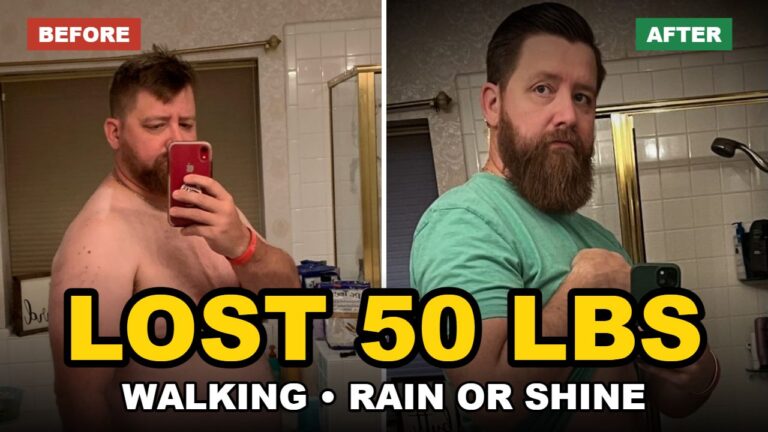
Follow My Plan to get the exact protocol for how I lost over 50 pounds in just a few months.

Walking was a big part of how I made this consistent โ€” see my full walking for fat loss guide for the science behind it. And if you need the mindset piece to go with it, read Do Hard Things โ€” it’s the shift that made all of this stick for me.

Weighted Vest Training Guide: Benefits, Weight Selection, and Workouts

Introduction

Weighted vest training has become one of the most effective and accessible ways to increase workout intensity without needing complicated equipment. Whether your goal is fat loss, strength development, or improved endurance, a weighted vest can add scalable resistance to nearly any bodyweight exercise or cardio routine.

Weighted Vest Training

This guide breaks down everything you need to know about weighted vest training, including benefits, how to choose the right weight, safety considerations, and programming strategies for beginners and advanced users.

Need recommendations on Weight Vests from a reliable source? Here’s a comparison of the Best Weighted Vests for Walking, Running, and Strength Training.

Direct pick if you want to skip straight to gear: the ZELUS Weight Vest on Amazon was rated best overall in that comparison.

For a deeper diver into the science of weighted vest training, refer to this PubMed Article: https://pmc.ncbi.nlm.nih.gov/articles/PMC11550068/


What Is a Weighted Vest?

A weighted vest is a fitness tool worn on the torso that adds external resistance to bodyweight movements. It distributes weight evenly across the upper body, allowing you to increase training intensity without changing your exercise form dramatically.

Most weighted vests use removable steel or sand-filled weights, giving users the ability to adjust resistance over time.

Common uses include:

  • Walking or hiking
  • Running or sprint training
  • Bodyweight strength exercises (push-ups, pull-ups, squats)
  • HIIT workouts

Benefits of Weighted Vest Training

1. Fat Loss and Calorie Burn

Adding extra resistance increases energy expenditure. Even simple activities like walking or stair climbing burn significantly more calories when wearing a weighted vest.

2. Strength Development

Weighted vests increase load on muscles during compound movements, helping build strength in the legs, core, chest, and back.

3. Endurance and Cardiovascular Conditioning

Training with added resistance forces the heart and lungs to work harder, improving overall cardiovascular fitness over time.

4. Bone Density and Joint Health

Resistance training with controlled load may help support bone density and improve joint resilience when used properly.

5. Functional Fitness

Weighted vest training mimics real-world load carrying, improving overall functional strength and athletic performance.


How to Choose the Right Weight (IMPORTANT)

Choosing the correct weight is the most important factor in safe and effective training.

General Guidelines:

  • Beginners: 5โ€“10% of body weight
  • Intermediate: 10โ€“15% of body weight
  • Advanced: 15โ€“20% of body weight

Example:

If you weigh 180 lbs:

  • Beginner range: 9โ€“18 lbs
  • Intermediate range: 18โ€“27 lbs
  • Advanced range: 27โ€“36 lbs

Key Considerations:

  • Start lighter than you think you need
  • Prioritize form over load
  • Choose adjustable vests for progression
  • Avoid maxing out weight too early

Safety Considerations

Weighted vest training is effective, but improper use can lead to strain or injury.

Safety Tips:

  • Maintain proper posture during all exercises
  • Avoid excessive weight during running if new to training
  • Do not use if recovering from lower back or joint injuries without clearance
  • Gradually increase duration and load
  • Ensure vest fits snugly to avoid shifting weight

Common Mistakes:

  • Starting with too much weight
  • Using poor form under fatigue
  • Wearing vest for long durations without adaptation

Who Should Use a Weighted Vest?

Ideal For:

  • Beginners looking to increase calorie burn
  • Athletes improving conditioning
  • People training for endurance events
  • Individuals wanting to progress bodyweight exercises

Who Should Be Cautious:

  • People with knee, hip, or lower back issues
  • Beginners with no base fitness level
  • Individuals recovering from injury

Beginner vs Advanced Usage

Beginner Approach:

  • Use 5โ€“10% body weight
  • Limit sessions to 15โ€“30 minutes
  • Focus on walking, incline walking, and basic bodyweight movements
  • 2โ€“3 sessions per week

Advanced Approach:

  • Use 10โ€“20% body weight
  • Incorporate HIIT workouts and sprint intervals
  • Add weighted calisthenics (pull-ups, push-ups, dips)
  • Use vest in longer endurance sessions or training blocks

Sample Weighted Vest Workouts

Beginner Workout:

  • 20-minute brisk walk
  • 3 sets of 10 push-ups
  • 3 sets of 12 bodyweight squats

Intermediate Workout:

  • 30-minute incline walk
  • 4 rounds:
    • 10 push-ups
    • 15 squats
    • 10 lunges per leg

Advanced Workout:

  • 5 rounds:
    • 400m run or sprint
    • 10 pull-ups
    • 20 push-ups
    • 20 walking lunges

FAQs

Does a weighted vest help you lose weight?

Yes, they increase calorie burn during both cardio and strength training, making fat loss more efficient when combined with proper nutrition. For a deeper look at exactly how walking with a weighted vest supports fat loss, see our full weighted vest benefits breakdown.

Can I run with a weighted vest?

Yes, but start light. Running with heavy vests can increase joint stress, especially for beginners.

How often should I use a weighted vest?

2โ€“4 times per week is ideal for most people, depending on recovery and intensity.

What exercises work best with a weighted vest?

Walking, squats, push-ups, lunges, stair climbing, and controlled cardio movements work best.

Is a heavier vest always better?

No. Heavier is not better if it compromises form or recovery. Progressive overload should be gradual.


Conclusion

Weighted vest training is a powerful, scalable method to improve fat loss, strength, and endurance without needing complex equipment. The key to success is starting light, progressing gradually, and using proper form consistently. When used correctly, a weighted vest can become a long-term tool for improving overall fitness and performance.

Also, check out these YouTube Channels that review weight vests and more: Best Weight Loss YouTube Channels (That Actually Helped Me Lose Weight)