

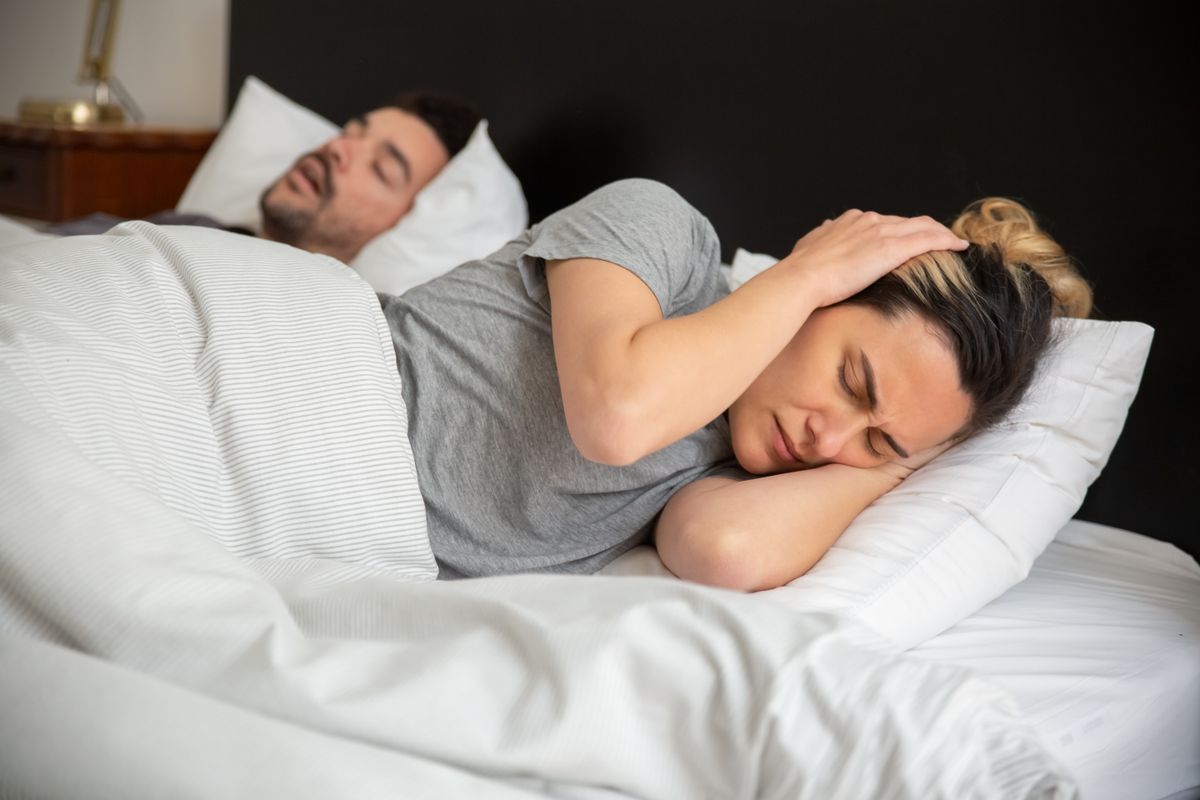
Mouth tape vs mouthpiece — it’s one of the most common snoring questions right now. Mouth tape is all over social media right now as the cheap, simple fix for snoring. Anti-snoring mouthpieces have been around for years and cost more. So which one actually works?
The honest answer is that they fix different causes of snoring. Pick the wrong one for your type of snoring and you’ll be disappointed no matter how good the product is. This guide breaks down how each one works, what the research says, who each is right for, and when neither is the answer.
This isn’t medical advice – I’m not a doctor, and this post can’t diagnose why you snore. Loud, frequent snoring can be a sign of sleep apnea, so if you have any of the warning signs below, talk to your doctor before trying either option.
*As an Amazon Associate, I earn from qualifying purchases.
Mouth Tape vs Mouthpiece: The Short Answer
If you mostly snore because you breathe through your mouth at night, mouth tape may help — but the research behind it is thin. If you snore because your jaw and tongue fall back and narrow your airway (the most common cause, especially when sleeping on your back), an anti-snoring mouthpiece is the better-supported choice. For most snorers, the mouthpiece is the safer bet.
Table of Contents
What Each One Actually Is
Mouth tape is a small strip of gentle, skin-safe tape placed over your lips at bedtime. The idea is simple: keep your mouth closed so you breathe through your nose instead. (If you want the background on why that matters, I’ve written about the benefits of nasal breathing.)
An anti-snoring mouthpiece — usually a mandibular advancement device, or MAD — is a mouthguard-style device that holds your lower jaw slightly forward while you sleep. That keeps your tongue and the soft tissue in your throat from falling back and blocking your airway, which is what causes the vibration you hear as snoring.
Mouth Tape: Strengths and Drawbacks
The biggest advantages are cost and comfort. Tape is cheap, there’s nothing to fit, and many people find it easy to get used to. For people who snore mainly because their mouth falls open, keeping the lips closed can make a difference.
The drawback is the evidence. A 2025 systematic review in PLOS One looked at 10 studies with just 213 people in total. A few small studies showed less snoring, and results for sleep apnea were mixed — the improvements that did show up were only in people with mild sleep apnea. The authors concluded the data doesn’t support mouth taping as a treatment for the general population, and several studies flagged a real safety concern: taping your mouth shut is risky if your nose is blocked.
Anti-Snoring Mouthpiece: Strengths and Drawbacks
The mouthpiece’s biggest advantage is that it targets the most common mechanical cause of snoring directly. The evidence is also much stronger: the clinical practice guideline from the American Academy of Sleep Medicine and the American Academy of Dental Sleep Medicine recommends oral appliances for adults with primary snoring (snoring without sleep apnea) rather than no treatment.
The drawbacks are comfort and cost. Expect some jaw soreness, extra saliva, or a dry mouth for the first week or two, and long-term nightly use can shift your bite. I cover all of this in detail in Are Anti-Snoring Mouthpieces Safe?.
Mouth Tape vs Mouthpiece: Side-by-Side Comparison
| Mouth Tape | Anti-Snoring Mouthpiece | |
|---|---|---|
| How it works | Keeps your mouth closed so you breathe through your nose | Holds your lower jaw forward to keep your airway open |
| Best for | Mouth breathers who snore with their mouth open | Back sleepers and jaw/tongue-related snoring |
| Research support | Limited — small studies, mixed results | Stronger — recommended in clinical guidelines for primary snoring |
| Comfort | Easy for most people | Takes 1–2 weeks to adjust |
| Common side effects | Skin irritation, feeling of air hunger | Jaw soreness, drooling, dry mouth, bite changes |
| Cost | Low | Moderate (one-time) |
| Avoid if | Your nose is congested or blocked, or you might have sleep apnea | You have TMJ problems, loose teeth, or major dental work |
Which One Fits Your Snoring? A Simple Self-Check
You can get a rough idea of which camp you’re in with a few quick checks:
- Close your mouth and try to snore. If you can’t make the sound, your snoring may be mouth-related — tape might help.
- Now push your lower jaw forward and try to snore. If the sound gets quieter or disappears, a mouthpiece is likely a good fit.
- Is your nose often stuffy? If so, fix that first. Taping your mouth shut with a blocked nose is exactly what you want to avoid.
- Is it worse on your back? Back-sleeping snoring usually comes from the jaw and tongue falling back — mouthpiece territory.
👉 This isn’t a diagnosis. It’s just a way to narrow down which option is worth trying first.
Which One Is Safest?
For most healthy adults, both are low risk when used correctly. The bigger risk is using either one to cover up a real problem.
- Mouth tape: don’t use it if your nose is blocked, you have a cold or allergies, you might have sleep apnea, or you’ve been drinking or taken sedatives. Use tape made for sleep, not household tape.
- Mouthpiece: stop if jaw pain hasn’t improved after about two weeks, and check with a dentist if you have TMJ issues, loose teeth, or significant dental work.
When Snoring Means You Should See a Doctor
This matters more than which product you pick. Talk to your doctor if your snoring comes with any of these:
- Choking, gasping, or pauses in breathing that a partner notices
- Waking up short of breath
- Feeling very sleepy during the day, even after a full night in bed
- Morning headaches
- High blood pressure
These can be signs of obstructive sleep apnea. Neither mouth tape nor an over-the-counter mouthpiece is a substitute for a proper sleep evaluation.
Can You Use Both?
Some people do combine them — a mouthpiece to keep the airway open and tape to keep the mouth closed. But it’s not where I’d start. Try one change at a time so you know what’s actually working, and if you’re thinking about combining them, it’s worth asking your dentist or doctor first.
My Recommendation
Boiled down, here’s how mouth tape vs mouthpiece shakes out: if you’ve been told you snore loudly, especially on your back, and you don’t have sleep apnea warning signs, start with an anti-snoring mouthpiece. It has the better research behind it and targets the most common cause. Try mouth tape only if your nose is clear and your snoring is clearly tied to mouth breathing.
For picking an actual mouthpiece, see my guide to the best snoring mouthpiece for better sleep.
Does mouth tape stop snoring?
It can reduce snoring for some people who snore mainly through their mouth, but the research is limited to small studies. It won’t help much if your snoring comes from your jaw and tongue falling back, and it isn’t safe if your nose is blocked.
Is it safe to use mouth tape every night?
For healthy adults with a clear nose, occasional use is generally considered low risk. But don’t use it if you might have sleep apnea, have nasal congestion, or have been drinking. Talk to your doctor before making it a nightly habit.
Is an anti-snoring mouthpiece better than mouth tape?
For most snorers, yes. Mouthpieces target the most common cause of snoring and have much stronger research support, including clinical guidelines that recommend oral appliances for primary snoring.
Do dentists recommend mouth tape or mouthpieces?
Dentists who treat sleep problems commonly use custom oral appliances for snoring and mild to moderate sleep apnea. Mouth tape is not a standard clinical treatment.
Mouth tape vs. chin strap: which is better?
Both aim to keep your mouth closed, so they help the same type of snoring. Neither addresses jaw-related snoring. If you snore on your back or with your mouth closed, a mouthpiece is usually the better choice.
Final Thoughts
When it comes to mouth tape vs mouthpiece, there’s no single best snoring fix — just the one that matches why you snore. For most people that’s a mouthpiece, with mouth tape as a narrower option for mouth breathers with a clear nose. And if your snoring comes with any sleep apnea warning signs, start with your doctor instead.

Better sleep also makes weight loss easier — here’s why, in my post on the link between sleep and weight loss. If you want to track how your sleep improves, check out my picks for the best apps for better sleep.
One Reply to “Mouth Tape vs Mouthpiece for Snoring: Which One Actually Works?”