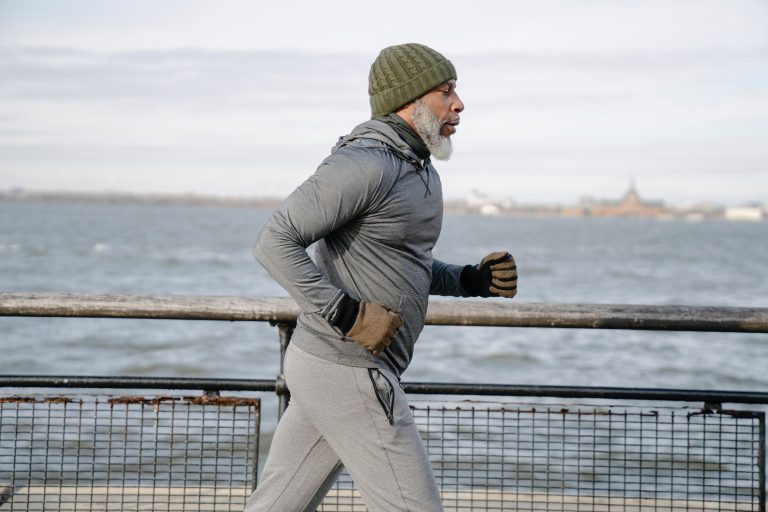

Walking for Fat Loss: The Science-Backed Guide to Burning Fat Through Walking

Walking is one of the most underrated yet effective strategies for sustainable fat loss. Unlike high-intensity workouts that can be intimidating or unsustainable, walking offers a low-impact, accessible approach that anyone can start today. This comprehensive guide explores how walking burns fat, optimal walking strategies, and how to maximize your results.

Why Walking Works for Fat Loss

Walking burns calories while being gentle enough to maintain consistency, which is the true key to long-term fat loss. When you walk at a moderate pace, your body primarily uses fat as fuel, making it an ideal activity for those specifically targeting fat reduction rather than just weight loss.

Research shows that regular walking can create the caloric deficit needed for fat loss without triggering the extreme hunger or fatigue associated with more intense exercise. A 155-pound person burns approximately 140 calories per 30 minutes of brisk walking, and these numbers add up significantly over weeks and months.

How Much Should You Walk for Fat Loss?

For meaningful fat loss results, aim for 150-300 minutes of moderate-intensity walking per week. This breaks down to roughly 30-60 minutes daily, five days per week. If you’re just starting out, begin with 15-20 minute walks and gradually increase your duration as your fitness improves.

The “10,000 steps per day” guideline remains a useful target, though the exact number matters less than consistency. Studies indicate that even 7,000-8,000 steps daily can produce significant health and fat loss benefits when combined with mindful eating.

Optimizing Your Walking Routine for Maximum Fat Burn

Walking Pace and Intensity

Your walking pace significantly impacts fat burning. Aim for a brisk pace where you can talk but not easily sing. This typically corresponds to 3-4 miles per hour for most people. At this intensity, you’re working hard enough to burn calories efficiently while staying in the fat-burning zone.

Consider incorporating interval walking, alternating between periods of faster and slower walking. For example, walk briskly for two minutes, then at a moderate pace for one minute, repeating this cycle throughout your walk. This variation can increase total calorie burn by up to 20% compared to steady-state walking.

Incline and Terrain

Walking uphill or on varied terrain dramatically increases calorie expenditure. Incline walking engages more muscle groups, particularly your glutes and hamstrings, while burning significantly more calories than flat walking. If you’re walking on a treadmill, a 5-10% incline can nearly double your calorie burn compared to walking on a flat surface.

Outdoor walking on trails, hills, or stairs provides natural resistance training while keeping your workouts interesting and engaging.

When to Walk for Optimal Fat Loss

The best time to walk is whenever you can maintain consistency, but certain timing strategies may enhance fat burning. Some research suggests that fasted walking in the morning, before breakfast, may increase fat oxidation. However, the most important factor is finding a time that fits your schedule and that you can stick with long-term.

Walking after meals, particularly after dinner, can improve blood sugar regulation and increase daily calorie expenditure without requiring dedicated workout time.

Combining Walking with Nutrition for Fat Loss

Walking creates a caloric deficit, but your nutrition ultimately determines your results. Focus on whole foods, adequate protein intake (0.7-1 gram per pound of body weight), and a moderate caloric deficit of 300-500 calories below your maintenance level.

Avoid the trap of overestimating calories burned from walking and overeating as compensation. While that 30-minute walk burned 140 calories, a single muffin can easily contain 400 calories or more.

Tracking Progress and Staying Motivated

Monitor your walking habit through step-counting apps, fitness trackers, or simple journaling. Track metrics beyond just weight, including measurements, energy levels, sleep quality, and how your clothes fit. Fat loss often shows up in these areas before the scale moves.

Set process goals (walking five times this week) rather than just outcome goals (lose 10 pounds). This approach keeps you motivated and acknowledges the effort you’re putting in regardless of how quickly the fat comes off.

Common Walking Mistakes to Avoid

Don’t make these common errors that can limit your fat loss results. First, avoid walking at too comfortable a pace where you’re barely elevating your heart rate. Second, don’t neglect proper walking formโ€”maintain upright posture, engage your core, and use your arms for momentum. Third, resist the urge to do the same route at the same pace every single day, as your body adapts and burns fewer calories over time.

Building a Sustainable Walking Habit

Start small and build gradually. Consistency beats intensity when it comes to walking for fat loss. Make walking convenient by keeping walking shoes in your car, walking during phone calls, or scheduling walking meetings. Join walking groups or recruit a walking buddy for accountability and social connection.

Remember that walking for fat loss is a marathon, not a sprint. The beauty of walking is its sustainabilityโ€”you can maintain this habit for life, continuously reaping the fat loss and health benefits for years to come.

Conclusion

Walking for fat loss works because it’s sustainable, accessible, and effective when done consistently. By walking 30-60 minutes most days of the week at a brisk pace, incorporating inclines and intervals, and pairing your walking routine with sensible nutrition, you can achieve meaningful fat loss results. Start today with a single 15-minute walk, and build from there. Your future self will thank you for taking that first step.

Best Rowing Machine for Home

Best Rowing Machine for Home

Embarking on a fitness journey towards weight loss often involves finding the right exercise equipment. In this comprehensive guide, we delve into the best rowing machine for home available on Amazon, comparing their features, benefits, and how incorporating rowing into your routine can contribute to effective weight loss.

Table of Contents

    The Benefits of Rowing

    Rowing is not just about moving your arms back and forth; it’s a full-body workout that engages major muscle groups. This includes the legs, back, arms, and core, making it an excellent cardiovascular exercise. The low-impact nature of rowing makes it suitable for individuals of various fitness levels, offering a joint-friendly alternative to high-impact exercises.

    Apart from being joint-friendly, rowing is known for its high-calorie expenditure during workouts, making it an efficient way to burn calories and promote weight loss. Additionally, consistent rowing contributes to improved endurance and stamina, enhancing overall cardiovascular fitness.

    Comparison of Top Rowing Machines on Amazon

    Concept2 Model D

    The Concept2 Model D is a renowned rowing machine with features that set it apart. Its air resistance mechanism provides a smooth and customizable workout experience. While it’s foldable for easy storage, users appreciate its durable build and overall performance.

    WaterRower Natural Rowing Machine

    The WaterRower Natural Rowing Machine stands out for its unique water resistance design, simulating the feel of rowing on water. Users praise its sleek wooden frame, smooth operation, and minimal noise. This machine is not only effective but also aesthetically pleasing.

    Sunny Health & Fitness Magnetic Rowing Machine

    For those seeking a budget-friendly option without compromising on quality, the Sunny Health & Fitness Magnetic Rowing Machine is worth considering. Its magnetic resistance technology provides a quiet and smooth rowing experience. Its compact design and ease of storage make it suitable for home use.

    How Rowing Contributes to Weight Loss

    The science behind weight loss involves creating a caloric deficit, and rowing can be a key contributor. Rowing engages multiple muscle groups, leading to increased calorie expenditure during workouts. This, combined with a balanced diet, helps create the necessary caloric deficit for weight loss.

    Creating an Effective Rowing Routine involves setting realistic goals, progressively challenging workouts, and considering personal fitness levels. Real-life success stories and testimonials serve as motivation, showcasing the transformative power of rowing in achieving weight loss goals.

    Conclusion

    Whether opting for the Concept2 Model D, WaterRower Natural Rowing Machine, or Sunny Health & Fitness Magnetic Rowing Machine, each choice aligns with specific needs and preferences. Ultimately, integrating rowing into a fitness routine not only contributes to effective weight loss but also fosters a commitment to a healthy and active lifestyle. My recommendation for the best rowing machine for home is based on personal experience and personal preference.

    I recommend the Sunny Magnetic Rowing Machine for it’s sensibility and space-saving. It is also the budget-friendly version of the group. To order one for yourself, click the link below.

    Table of Contents

      Zone 2 Cardio

      Zone 2 Cardio

      Embarking on a fitness journey requires a discerning approach, and amid the myriad of workout options, Zone 2 Cardio stands out as a linchpin for effective weight loss. This comprehensive guide aims to demystify the intricacies of Zone 2 Cardio, offering insights into its definition, the underlying science, and most importantly, providing practical strategies on how to calculate and achieve Zone 2 during your workouts.

      Understanding Zone 2 Cardio

      Defining Zone 2

      Zone 2 is a specific heart rate zone expressed as a percentage of your maximum heart rate. It serves as a cornerstone for aerobic exercise, balancing an elevated heart rate to enhance cardiovascular fitness without tipping into anaerobic metabolism.

      The Science Behind Zone 2

      To appreciate the significance of Zone 2 Cardio, it’s crucial to delve into the physiological mechanisms at play. Aerobic exercise primarily taps into fat as a fuel source, and Zone 2 represents the optimal intensity where fat oxidation is maximized, making it the sweet spot for weight loss.

      The Importance of Zone 2 Cardio for Weight Loss

      Maximizing Fat Burning

      Zone 2 Cardio takes center stage in weight loss by maximizing fat burning. Understanding the intricacies of fat oxidation during aerobic exercise explains why Zone 2 is the ideal zone for shedding excess weight.

      Sustainable and Long-Term Results

      While high-intensity workouts may promise quick results, sustaining such efforts can be challenging. Zone 2 Cardio offers a sustainable approach, promoting consistency and contributing to enduring weight loss results. Exploring the sustainability factor and the role of Zone 2 in achieving long-term fitness goals adds depth to this understanding.

      Building Cardiovascular Endurance

      Beyond weight loss, Zone 2 Cardio plays a pivotal role in enhancing cardiovascular endurance. Improved endurance not only contributes to overall fitness but also makes other forms of exercise more accessible and enjoyable.

      Achieving Zone 2: Practical Strategies and Techniques

      Determining Your Zone 2 Heart Rate

      Understanding your unique Zone 2 heart rate is paramount for effective training. To calculate this, consider a percentage range (commonly 60-70%) of your maximum heart rate. A simple formula involves multiplying your maximum heart rate by the lower and upper percentages to establish your Zone 2 range.

      Appropriate Exercises for Zone 2

      Tailoring exercises to maintain an optimal heart rate in Zone 2 is crucial. Exploring various exercises, such as brisk walking, cycling, or swimming, provides practical options based on preferences and fitness levels.

      Structuring Zone 2 Workouts

      Creating a well-rounded Zone 2 workout plan is essential for consistency and effectiveness. Sample workout routines that include a mix of activities, durations, and intensities add specificity to structuring personalized Zone 2 workouts.

      Common Challenges in Zone 2 Training

      Acknowledging and addressing common challenges associated with Zone 2 can significantly enhance adherence and results. From incorporating variety to combatting boredom and addressing misconceptions, practical solutions provide tangible ways to navigate potential roadblocks.

      Frequently Asked Questions

      Addressing common questions individuals may have about Zone 2will provide readers with a comprehensive understanding. Clarifying doubts about factors like ideal duration, frequency, and potential modifications empowers readers to seamlessly integrate Zone 2 training into their fitness routines.

      Conclusion

      Zone 2 emerges as a potent tool for weight loss and overall fitness. By unraveling the secrets behind this often-overlooked training zone and providing practical insights on calculation and implementation, individuals can optimize their workouts for sustainable, long-term success. Whether you’re a seasoned fitness enthusiast or a beginner on the weight loss journey, integrating Zone 2 Cardio into your routine could be the key to unlocking your full potential and achieving your fitness aspirations.