Mixer bottles are essential tools for those committed to their fitness and nutrition goals. They make it easier to blend protein shakes, pre-workout supplements, and other drinks. In this blog post, we’ll review the top 5 mixer bottles available on Amazon, helping you make an informed decision for your blending needs.
Each of these mixer bottles has its unique features and advantages. The best choice for you depends on your specific needs, such as portability, mixing technology, or price point. Consider your preferences and requirements to make an informed decision.
If you’re looking to purchase one of these mixer bottles, make sure to check the latest prices and reviews on Amazon. And if you found this blog post helpful, consider using the provided affiliate links to support this blog.
Incorporating these products into your fitness and nutrition routine can help you stay on track with your health goals. Whether you’re a nutrition coach or a fitness enthusiast, a quality mixer bottle is a valuable addition to your toolkit.
Remember to stay hydrated and enjoy your well-mixed, delicious shakes!
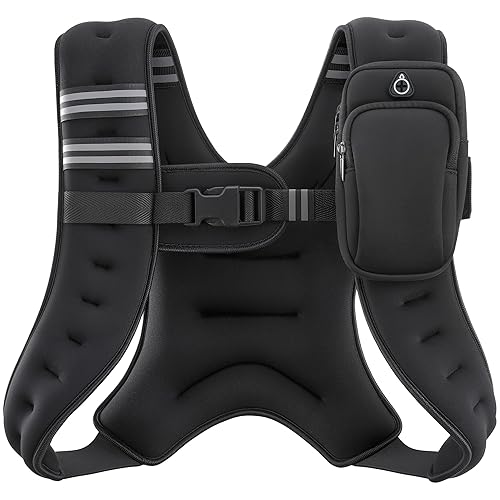
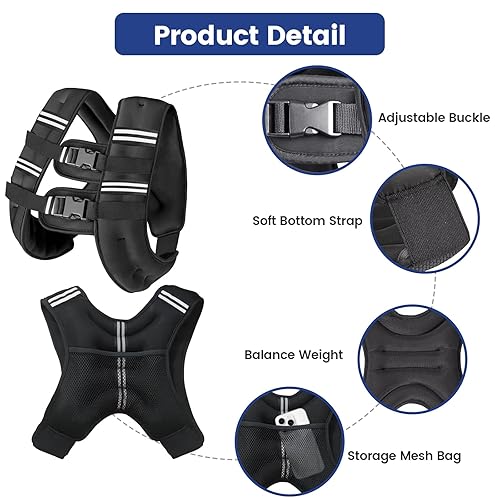
If you’re looking for the best weighted vests for beginners, you’re probably trying to burn more calories, build strength, or make your workouts more effective without spending extra time in the gym.
As someone who uses weighted vests regularly for walking, calisthenics, and strength training, I evaluated these based on comfort, adjustability, and durability.
Here’s a quick comparison of the best weighted vests based on comfort, adjustability, and training style.
Product
Best For
Weight
Adjustable
Price
ZELUS Weighted Vest
Strength training
Up to 30 lbs
Yes
$$$
ApexUp Vest
Walking
Up to 32 lbs
Yes
$
Zikopomi Vest
Running
Up to 30lbs
Yes
$$
Renoj Vest
Beginners
Up to 16 lbs
Yes
$$
Weighted vests are one of the simplest ways to increase intensity—but not all of them are worth your money.
Weighted vests can increase workout intensity without changing your exercises, making them useful for walking, bodyweight training, cardio, and strength workouts
In this guide, I’ll break down the best weighted vests for beginners, who they’re best for, and which one you should actually buy.
For best results: As someone who’s used weighted vests regularly, I usually recommend starting with 10–20 lbs…
HOW TO CHOOSE
Choose adjustable if you want long-term use
Choose lightweight if you mainly walk
Choose performance fit if you run or train hard
HOW WE MADE OUR CHOICE
We evaluated weighted vests based on comfort, adjustability, durability, bounce reduction, weight distribution, and suitability for walking and strength training. I personally wore vests in order to test them and come to a rational conclusion.
Are weighted vests good for fat loss?
Weighted vests can support fat loss by increasing workout intensity and calorie burn during activities like walking, bodyweight exercises, cardio, and strength training. Adding extra resistance forces your body to work harder, which may help improve endurance and overall energy expenditure when combined with proper nutrition and consistent exercise.
What weight should beginners start with?
Beginners should usually start with a weighted vest that is around 5–10% of their body weight. Starting too heavy can place unnecessary stress on the joints and lower back. Adjustable weighted vests are often the best choice for beginners because they allow you to gradually increase resistance as your strength and endurance improve.
Can you wear a weighted vest every day?
You can wear a weighted vest regularly, but it’s important to avoid overuse. Many people safely use weighted vests for walking, cardio, and workouts several times per week. However, wearing a vest every day for long periods may increase strain on the knees, hips, shoulders, and back if the weight is too heavy or your body does not have enough recovery time.
Is walking with a weighted vest safe?
Walking with a weighted vest is generally safe for healthy individuals when using an appropriate weight and maintaining good posture. Beginners should start with a lighter vest and shorter walks before increasing intensity. A properly fitted weighted vest can help improve calorie burn, endurance, and lower-body strength during walking workouts.
Are adjustable weighted vests better?
Adjustable weighted vests are often better for most people because they provide flexibility and progression. You can increase or decrease the weight depending on your fitness level, workout type, and goals. Adjustable vests are especially useful for beginners, walking workouts, strength training, and long-term use because they allow gradual progression over time.
FINAL VERDICT
If you want the best overall option: Go with the ZELUS Weight Vest – https://amzn.to/4tikjJv
If your goal is fat loss through walking: Go with the ApexUp Weight Vest – https://amzn.to/3PkdBF1
Salt, a fundamental seasoning used across the globe, has faced a history of conflicting perceptions. While it has been criticized for its potential negative impacts on health, it’s important to recognize that salt is an essential mineral necessary for the body to function optimally. Not all salts are the same, however. In this exploration, we will delve into three distinctive salts: Celtic salt, Himalayan sea salt, and real salt. There are many health benefits of salt that can positively impact your overall well-being.
Section 1: The Essence of Celtic Salt
What is Celtic Salt?
Celtic salt, also known as grey salt or sel gris, originates from the coastal areas of France. It is harvested using traditional methods that involve evaporating sea water.
Mineral Composition
Celtic salt is prized for its rich mineral content, which includes essential elements such as magnesium, calcium, and potassium. These minerals contribute to its distinctive grey hue and its potential health benefits.
Health Benefits of Celtic Salt
Electrolyte Balance and Hydration: Celtic salt contains a balance of electrolytes essential for maintaining proper hydration and supporting various bodily functions. Electrolytes like sodium, potassium, and magnesium play crucial roles in maintaining cellular hydration and nerve signaling.
Digestive Health: The minerals in Celtic salt can aid in digestion by stimulating the production of digestive enzymes. This can help improve overall digestive health and nutrient absorption.
Lower Sodium Content and Blood Pressure Regulation: Celtic salt is slightly lower in sodium compared to regular table salt. This can be beneficial for individuals looking to regulate their sodium intake and manage blood pressure levels.
Section 2: The Marvels of Himalayan Sea Salt
What is Himalayan Sea Salt?
Himalayan sea salt is harvested from the Punjab region of Pakistan, and it’s often considered one of the purest forms of salt available.
Mineral Composition
Himalayan sea salt is renowned for its distinctive pink color, attributed to its rich mineral content, including essential minerals like sodium, potassium, calcium, and magnesium.
Health Benefits of Himalayan Sea Salt
Rich Mineral Content and Nutrient Absorption: The abundance of minerals in Himalayan sea salt can support nutrient absorption in the digestive tract. These minerals are vital for various bodily functions, including bone health and muscle function.
Respiratory Health and Air Purification: Inhalation of Himalayan salt particles, often through salt lamps or salt inhalers, can help cleanse and purify the air. This can be particularly beneficial for respiratory health and those with respiratory conditions.
pH Balance in the Body: Himalayan sea salt can assist in maintaining a healthy pH balance in the body, promoting overall alkalinity and potentially reducing the risk of chronic diseases.
Section 3: The Power of Real Salt
What is Real Salt?
Real salt is sourced from ancient sea salt deposits in Utah, USA, and is known for its unrefined, natural state.
Mineral Composition
Real salt contains a rich array of minerals, including calcium, potassium, magnesium, and iron. It also contains trace minerals that are vital for optimal health.
Health Benefits of Real Salt
Promoting Proper Muscle Function and Nerve Signaling: The minerals in real salt, particularly magnesium and potassium, are crucial for muscle function and nerve signaling, aiding in muscle relaxation and preventing muscle cramps.
Thyroid Health and Hormone Regulation: Iodine, present in real salt, is essential for thyroid function and hormone regulation. Proper thyroid function is vital for metabolism and overall hormonal balance.
Alkalizing Effects on the Body: Real salt, with its alkalizing effect, helps balance the body’s pH levels. An alkaline environment in the body is believed to support overall health and reduce the risk of chronic diseases.
Conclusion
In conclusion, Celtic salt, Himalayan sea salt, and real salt are more than just flavor enhancers—they are natural sources of essential minerals crucial for our health. Each salt offers a unique mineral composition that contributes to various health benefits. By incorporating these salts into our diets in appropriate amounts, we can enhance our overall well-being and embrace a healthier lifestyle. Remember, moderation is key in enjoying the healthful advantages of these natural salts.
Cold exposure benefits have gained significant attention in recent years for its potential health benefits. From boosting metabolism to improving mental resilience, this practice has intrigued individuals seeking alternative wellness techniques. In this comprehensive guide, we’ll delve into the science behind cold exposure therapy, its potential advantages, associated risks, and practical tips to get started. Whether you’re a fitness enthusiast, wellness seeker, or simply curious about exploring new health practices, this blog will provide you with valuable insights into the world of cold exposure therapy.
Cold exposure therapy involves intentionally subjecting the body to low temperatures for a specific period. Its origins can be traced back to ancient civilizations, where cold water immersion was used to promote physical and mental well-being. Today, various forms of cold therapy exist, including ice baths, cold showers, cryotherapy chambers, and outdoor winter activities.
The Science Behind Cold Exposure Therapy
The human body responds to cold through a series of physiological changes aimed at maintaining core body temperature. When exposed to cold, the body’s thermoregulatory system activates mechanisms to generate heat and conserve energy. One remarkable effect of cold exposure is the activation of brown adipose tissue (BAT), a specialized type of fat that burns calories to produce heat.
Potential Benefits of Cold Exposure Therapy
Cold therapy is associated with a range of potential benefits. It can stimulate metabolism, aiding in weight management and fat loss. Cold also triggers the release of hormones like norepinephrine, which enhances alertness and focus. Additionally, the practice may improve sleep quality, support athletic performance and recovery, and promote healthy blood circulation.
Understanding the Risks and Precautions
While cold therapy offers promising benefits, it’s important to be aware of potential risks. Prolonged or intense exposure can lead to hypothermia and frostbite. Individual responses to cold vary, and certain medical conditions may contraindicate cold exposure. It’s crucial to prioritize safety and seek medical advice if you have any concerns.
How to Safely Practice Cold Exposure Therapy
To safely incorporate cold exposure into your routine, start with gradual adaptation. Begin with shorter cold showers or mild exposure, then gradually increase intensity and duration. Choose methods that align with your comfort level and lifestyle. Wearing appropriate clothing and practicing breathing techniques can further enhance your experience.
Incorporating Cold Exposure into Your Routine
Designing an exposure schedule that works for you is essential. You can complement cold exposure with other wellness practices such as exercise, meditation, and a balanced diet. Tracking your progress and adjusting your approach as needed will help you achieve optimal results over time.
Personal Experiences and Success Stories
Real-life testimonials from individuals who have embraced cold therapy can provide valuable insights. These stories highlight the diverse benefits people have experienced, from increased energy levels to enhanced mental clarity. Hearing about others’ journeys can inspire and motivate you to explore cold therapy further.
Cold Therapy Myths and Misconceptions
Dispelling myths and misconceptions surrounding cold therapy is crucial for informed decision-making. Addressing common misunderstandings about the practice, such as the idea that cold leads to illness (i.e. a “cold”), will help you approach the therapy with accurate expectations.
Conclusion
Cold therapy offers a unique approach to enhancing overall well-being. By understanding the science behind it, its potential benefits, and the necessary precautions, you can embark on a journey towards improved physical and mental health. Remember that individual responses may vary, and consulting with a healthcare professional before incorporating cold therapy into your routine is always advisable.
Incorporating cold therapy into your lifestyle requires careful consideration, gradual adaptation, and a holistic approach to wellness. Embrace the cold with confidence and curiosity as you explore the potential benefits that this ancient practice can offer in the modern world.
If you are interested in adding an ice bath to your routine, click the link below to see the exact cold bath I use. I love this bath because it is small, portable, and has a cover to keep out debris.
Cold exposure pairs well with its opposite, too — saunas offer their own recovery benefits, from better circulation to stress relief. See our full guide to recovery and biohacking wellness for more ways to round out your routine.
Recommended Cold Therapy Gear
If you’re ready to bring cold exposure home, here’s a solid starting lineup — from a simple ice bath to gear built for regular cold plunges:
Affiliate Disclosure:As an Amazon Associate, I earn from qualifying purchases. This means if you click on a link and make a purchase, I may receive a small commission at no extra cost to you.
Having gone through the ups and downs of losing weight myself, I know how much snacking choices can make or break a diet. Here’s a list of 10 healthy snacks that can support your weight loss journey — each one is not only satisfying but packed with nutrients that support your body’s overall well-being.
Greek Yogurt Parfait
Greek yogurt is an excellent source of protein and probiotics, which aid in digestion and promote a healthy gut. Create a satisfying snack by layering Greek yogurt with fresh berries, a sprinkle of granola, and a drizzle of honey. The combination of protein and fiber will help keep you full and curb unnecessary cravings.
Almonds
Almonds are rich in healthy fats, fiber, and protein, making them a perfect snack for weight loss. A small handful of almonds can provide a satisfying crunch while keeping your blood sugar levels stable. Opt for unsalted almonds to control your sodium intake.
Hummus and Veggie Sticks
Hummus is a creamy dip made from chickpeas that’s high in protein and fiber. Pair it with colorful vegetable sticks such as carrots, cucumbers, and bell peppers for a low-calorie, nutrient-dense snack. The combination of protein and fiber will help you feel full and satisfied.
Hard-Boiled Eggs
Eggs are a fantastic source of protein and essential nutrients. Hard-boiled eggs are portable and convenient, making them an ideal on-the-go snack. The protein in eggs can help stabilize blood sugar levels and reduce cravings between meals.
Apple Slices with Nut Butter
Apples provide natural sweetness and are rich in dietary fiber. Pairing apple slices with a tablespoon of nut butter (such as almond or peanut butter) adds healthy fats and protein to the snack, helping you stay full and satisfied for longer.
Cottage Cheese with Fresh Fruit
Cottage cheese is a great source of protein and low in calories. Combine it with fresh fruit like berries, peaches, or pineapple to add natural sweetness and essential vitamins. This snack provides a balance of protein and carbohydrates, making it a smart choice for weight loss.
Rice Cakes with Avocado
Rice cakes are a low-calorie base that can be topped with nutrient-rich ingredients. Spread mashed avocado on a rice cake and sprinkle with a pinch of salt and pepper. Avocado provides heart-healthy monounsaturated fats and fiber to keep you satiated.
Trail Mix with Nuts and Dried Fruits
Create your own trail mix by combining unsalted nuts (such as almonds, walnuts, and pistachios) with dried fruits (such as raisins, cranberries, or apricots). This snack offers a mix of healthy fats, protein, and natural sugars for a balanced energy boost.
Veggie Chips
Make your own crispy veggie chips by thinly slicing vegetables like sweet potatoes, zucchini, or kale, and baking them until they’re crunchy. These homemade chips are a flavorful alternative to traditional potato chips, providing vitamins and fiber without the excess calories.
Popcorn
Air-popped popcorn is a whole-grain snack that’s low in calories and high in fiber. Skip the butter and opt for a sprinkle of nutritional yeast or your favorite spices to add flavor. Popcorn can satisfy your crunchy cravings without derailing your weight loss efforts.
Conclusion
My goal here is to give you snack options that actually fit into a real weight loss plan, not just a list of “healthy” foods. Incorporating these 10 snacks into your diet can support your weight loss journey while providing essential nutrients for overall well-being. Remember that balance and moderation are key, and these snacks can be part of a wholesome and enjoyable approach to achieving your weight loss goals.
To achieve sustainable weight loss, individuals often need to adopt a set of consistent habits that support their long-term health and wellness goals. As a nutrition coach based in Arlington, Texas, I understand the importance of creating effective and lasting habits for my clients. We will explore the top weight loss habits to help you achieve your desired results.
Introduction: Setting the Stage for Success
Sustainable weight loss is not just about quick fixes or crash diets. It’s about making conscious choices and developing habits that support your overall well-being. As a dedicated nutrition coach located in Arlington, Texas, I am passionate about helping you discover the top weight loss habits that can transform your journey into a successful and lasting lifestyle.
Mindful Eating: Nourish Your Body and Soul
One of the cornerstone habits of sustainable weight loss is mindful eating. This practice encourages you to be fully present during your meals, allowing you to savor every bite and listen to your body’s hunger and fullness cues. By slowing down and savoring each mouthful, you can avoid overeating and build a healthier relationship with food. As a nutrition coach, I can guide you through mindful eating techniques tailored to your preferences and needs.
Balanced and Nutrient-Dense Meals: Fueling Your Body Right
Nutrition plays a crucial role in sustainable weight loss. Crafting balanced and nutrient-dense meals ensures that your body receives the essential vitamins, minerals, and macro-nutrients it needs to thrive. As your Arlington-based nutrition coach, I can provide personalized meal plans and recipes that cater to your unique dietary requirements and preferences, making healthy eating both enjoyable and sustainable.
Regular Physical Activity: Embrace Movement as a Lifestyle
Incorporating regular physical activity into your routine is essential for maintaining a healthy weight. Whether you’re exploring the beautiful parks of Arlington or engaging in fun workout classes, finding enjoyable ways to move your body can make a significant impact on your weight loss journey. Together, we can create an exercise plan that aligns with your goals and lifestyle, ensuring long-term success.
Adequate Sleep: Prioritize Rest for Optimal Results
Sleep is often underestimated in its role in weight loss. Getting enough quality sleep is crucial for regulating hormones that influence appetite and metabolism. As your dedicated nutrition coach in Arlington, Texas, I can provide guidance on establishing healthy sleep patterns and creating a bedtime routine that promotes restful slumber, contributing to your overall weight loss success.
Consistent Accountability and Support: Your Path to Long-Term Success
Embarking on a weight loss journey can sometimes feel overwhelming. Having consistent accountability and support can make all the difference. As your nutrition coach, I am here to provide guidance, track your progress, and make necessary adjustments to your plan. Together, we can celebrate your successes and overcome any challenges that may arise, ensuring that you stay motivated and committed to your goals.
Conclusion: Your Journey to Lasting Transformation
Achieving sustainable weight loss is a transformative journey that requires dedication, patience, and the right set of habits. I am committed to empowering you with the tools you need to create lasting lifestyle changes.
Remember, your weight loss journey is unique, and I am here to provide personalized guidance every step of the way. Together, we can make your goals a reality and set you on the path to sustainable weight loss success.
As a dedicated nutrition coach , I have spent years helping individuals transform their lives through personalized guidance and evidence-based strategies. My passion for health and wellness drives me to empower my clients to achieve their weight loss goals. Connect with me today and let’s embark on a journey to lasting transformation together.
Disclaimer: This blog is intended for informational purposes only and should not be considered a substitute for professional medical or nutritional advice. Always consult with a qualified healthcare provider before making any significant changes to your diet or exercise routine.
Fiber is an essential nutrient that plays a vital role in maintaining a healthy digestive system and overall well-being. Consuming an adequate amount of fiber-rich foods is crucial for promoting digestion, preventing constipation, and reducing the risk of various chronic diseases. In this blog post, we will explore the best high fiber foods that can help you achieve optimal health. From versatile vegetables to hearty legumes, this list covers a range of options to suit different tastes and dietary preferences.
*This blog contains affiliate links, and if you make a purchase through these links, I may earn a small commission at no extra cost to you, ensuring transparency and supporting the maintenance of this site.
Why Fiber Matters
Most adults get less than half the fiber they need — average intake sits around 15g a day against a recommended 25–38g. Fiber comes in two types: soluble fiber forms a gel that slows digestion and helps steady blood sugar and cholesterol, while insoluble fiber adds bulk that keeps things moving and prevents constipation. Most whole foods contain a mix of both.
For fat loss specifically, fiber is one of the easiest wins available: it slows digestion, keeps you full longer, and makes it a lot easier to hold a calorie deficit without feeling deprived. It also feeds the gut bacteria linked to better metabolic health. The foods below are the easiest, highest-impact ways to close the gap.
Black Beans
Black beans are a powerhouse of fiber, providing approximately 15 grams of fiber per cup. These legumes are not only rich in soluble fiber, which aids in maintaining stable blood sugar levels, but also contain insoluble fiber, which adds bulk to the stool and promotes regular bowel movements. Black beans are a versatile ingredient and can be used in various dishes, including soups, salads, and vegetarian burgers. This is a great start to the top 10 high fiber foods.
My go-to for keeping black beans stocked is Bush’s Best Organic Beans — an easy way to hit your fiber goals without extra prep.
Chia Seeds
Chia seeds are small, nutrient-dense seeds packed with fiber, healthy fats, and antioxidants. Just one ounce of chia seeds contains an impressive 10 grams of fiber. When mixed with liquid, chia seeds expand and form a gel-like substance, which aids digestion and promotes a feeling of fullness. These seeds can be added to smoothies, oatmeal, or used as an egg substitute in baking recipes.
If you want to add chia seeds to your routine, Navitas Organics Chia Seeds are a reliable, high-quality option that mixes easily into smoothies or oatmeal.
Lentils
Lentils are a fantastic source of both soluble and insoluble fiber, offering around 15 grams of fiber per cup. Their high fiber content contributes to improved digestion, reduced cholesterol levels, and better blood sugar control. Lentils are versatile and can be incorporated into soups, stews, salads, and side dishes.
Avocado
Avocados not only provide healthy fats but are also an excellent source of fiber. One medium-sized avocado contains around 10 grams of fiber. The fiber in avocados promotes healthy digestion and aids in maintaining a feeling of fullness. Avocados can be enjoyed in salads, sandwiches, smoothies, or simply spread on whole-grain toast.
Artichokes
Artichokes are a highly underrated vegetable when it comes to fiber content. One medium-sized artichoke contains approximately 10 grams of fiber. They are also rich in antioxidants and provide digestive benefits by supporting liver function. Artichokes can be steamed, roasted, or grilled and make a delightful addition to salads and pasta dishes.
Raspberries
Raspberries are not only delicious but also packed with fiber, offering around 8 grams of fiber per cup. These vibrant berries are rich in antioxidants and provide anti-inflammatory properties. The fiber in raspberries supports healthy digestion and helps prevent constipation. Enjoy them fresh, frozen, or add them to smoothies, yogurt, or oatmeal.
Broccoli
Broccoli is a cruciferous vegetable that is loaded with fiber and numerous other nutrients. One cup of cooked broccoli contains approximately 5 grams of fiber. It is also rich in antioxidants, vitamins, and minerals that promote overall health. Incorporate broccoli into stir-fries, salads, or steam it as a side dish to maximize its nutritional benefits.
Whole Grains
Whole grains, such as quinoa, oats, and brown rice, are excellent sources of dietary fiber. These grains contain both soluble and insoluble fiber, which aids in digestion, regulates blood sugar levels, and promotes satiety.
Brussels Sprouts
Brussels sprouts may not be everyone’s favorite vegetable, but they are incredibly nutritious and high in fiber. One cup of cooked Brussels sprouts provides around 4 grams of fiber. These miniature cabbages are also rich in vitamins C and K, as well as antioxidants that support a healthy immune system. Roasting or sautéing Brussels sprouts can enhance their flavor and make them a delightful addition to any meal.
Flaxseeds
Flaxseeds are small but mighty when it comes to their fiber content. Just two tablespoons of ground flaxseeds offer approximately 4 grams of fiber. They are also a great source of omega-3 fatty acids, which have anti-inflammatory properties and promote heart health. Sprinkle ground flaxseeds over yogurt, cereals, or incorporate them into baked goods for an added fiber boost.
Incorporating fiber-rich foods into your diet is a simple yet effective way to support digestive health and enhance overall well-being. The best high fiber foods mentioned in this blog post, including black beans, chia seeds, lentils, avocados, artichokes, raspberries, broccoli, whole grains, Brussels sprouts, and flaxseeds, offer a wide variety of options to suit different tastes and dietary preferences. By incorporating these foods into your meals and snacks, you can boost your fiber intake, improve digestion, and reduce the risk of chronic diseases. Remember to drink plenty of water alongside a fiber-rich diet to optimize its benefits. Embrace these fiber-packed foods and enjoy the positive impact they can have on your health.
Fiber is just one piece of a bigger nutrition and performance picture — see our fat-loss supplement guide for the rest of the stack. It pairs well with counting your macros, and if you have a sweet tooth, even cacao brings a fiber boost along with its other benefits.
In today’s modern world, many people find themselves in sedentary jobs that require prolonged periods of sitting. While these jobs provide financial stability and career opportunities, they can have a negative impact on our physical health. Sitting for extended periods can lead to weight gain, muscle imbalances, and decreased cardiovascular fitness. However, with a few adjustments and conscious efforts, it is possible to stay active and maintain a healthy lifestyle even in a sedentary work environment. In this article, we will discuss ten effective strategies to stay active and promote overall well-being while working at a sedentary job.
Take Frequent Active Breaks
Take short breaks every hour to stand up, stretch, and walk around. These breaks improve blood circulation, increase energy levels, and enhance focus. Use this time to walk around the office, climb stairs, or perform stretching exercises.
Incorporate Desk Exercises
Perform simple exercises at your desk to engage your muscles and promote movement. Include exercises such as chair squats, leg raises, and calf raises. Use resistance bands or small hand weights to add resistance for arm, shoulder, and back exercises. These exercises improve posture and alleviate muscle tension.
Opt for Active Commuting
Consider active commuting options like walking, cycling, or using public transport. Walking or cycling to work adds physical activity to your day and improves cardiovascular health. If active commuting is not feasible, park your car farther away from the office or get off public transport a few stops earlier to incorporate walking into your routine.
Use Ergonomic Office Equipment
Invest in ergonomic office equipment to improve comfort and promote movement. Choose an adjustable chair with proper lumbar support, a height-adjustable desk for sitting and standing, and ergonomic keyboard and mouse to reduce strain on your wrists and arms. These adjustments enhance productivity and reduce the risk of musculoskeletal issues.
Practice Desk Stretches and Yoga
Incorporate desk stretches and simple yoga poses into your work routine. Perform neck stretches, shoulder rolls, wrist exercises, and forward folds to release tension in your upper body. Practice seated or standing yoga poses like the mountain pose, chair pose, or tree pose to improve balance, strengthen core muscles, and increase flexibility.
Stay Hydrated
Drink an adequate amount of water throughout the day to stay hydrated. Use a reusable water bottle and keep it within reach to remind yourself to drink water frequently. Staying hydrated not only promotes overall health but also encourages movement as you make regular trips to the restroom.
Stand and Move While on Phone Calls
Stand up and move around during phone calls instead of sitting at your desk. Use a hands-free headset or mobile phone and walk around your office or designated area. This habit increases your daily steps and breaks up long periods of sitting.
Schedule Walking Meetings
Suggest walking meetings instead of sitting in a conference room whenever possible. Walking promotes physical activity, stimulates creativity, and enhances focus. Conduct walking meetings indoors using designated paths or outdoors in nearby parks or green spaces.
Practice Mindful Breathing and Meditation
Incorporate mindful breathing exercises and meditation into your workday to reduce stress and promote mental well-being. Take short breaks to focus on deep breathing and practice mindfulness by paying attention to your breath. Utilize smartphone apps or online resources to guide you through short meditation sessions during breaks or lunchtime.
Create a Balanced Workstation
Design your workstation to encourage movement and promote good posture. Position your computer monitor at eye level, use a standing desk converter or adjustable riser to switch between sitting and standing, and keep essential items within arm’s reach. Consider using a footrest or an exercise ball as alternative seating options to engage your core muscles
Conclusion to Staying Active in a Sedentary Job
Maintaining an active lifestyle while working in a sedentary job is crucial for overall health and well-being. By implementing simple strategies like taking active breaks, incorporating desk exercises, and practicing mindful breathing, you can counteract the negative effects of prolonged sitting. Additionally, opting for active commuting, scheduling walking meetings, and creating a balanced workstation contribute to staying active throughout the day.
Remember to make conscious choices and prioritize movement in your daily routine. These habits not only improve your physical health but also boost productivity and enhance your quality of life. Embrace these strategies and enjoy the benefits of staying active even in a sedentary work environment. By taking small steps towards a more active lifestyle, you can make a positive impact on your overall well-being.
Affiliate Disclosure:As an Amazon Associate, I earn from qualifying purchases. This means if you click on a link and make a purchase, I may receive a small commission at no extra cost to you.
If you’re setting up a home gym, kettlebells are one of the most effective tools you can add.
*This blog contains affiliate links, and if you make a purchase through these links, I may earn a small commission at no extra cost to you, ensuring transparency and supporting the maintenance of this site.
When I focused on improving my fitness and losing weight, I didn’t need complicated equipment.
Quick Picks: Best Kettlebells for Home Gym
If you want a fast answer, start here:
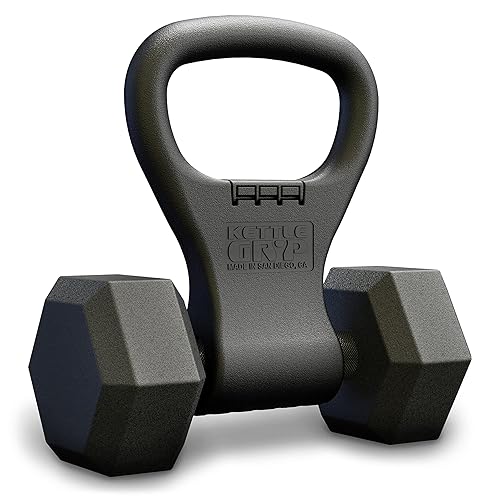
🧠 Best Space Saver: Kettle Gryp (Use Your Dumbbells) 👉 View on Amazon
🏆 Best Overall: Kettlebell Kings Powder Coat 👉 View on Amazon
Once you’ve got kettlebells in the mix, a set of adjustable weight benches opens up pressing and bench work too — see our full home gym guide for how to build out the rest of your setup.
The Best resistance training exercises are an effective way to build muscle, increase strength, and improve overall fitness. When done correctly, these exercises can help you achieve your fitness goals, whether you want to build muscle mass, lose weight, or improve your athletic performance. In this blog post, we will discuss some of the best resistance training exercises that you can incorporate into your workout routine.
*This blog contains affiliate links, and if you make a purchase through these links, I may earn a small commission at no extra cost to you, ensuring transparency and supporting the maintenance of this site.
What is Resistance Training?
Resistance training, also known as strength training, is a type of exercise that involves using resistance, such as weights, bands, or your own body weight, to work your muscles. The goal of resistance training is to gradually increase the resistance or weight used to challenge your muscles and stimulate muscle growth.
The Benefits of Resistance Training
Resistance training has numerous benefits for your overall health and fitness. Here are some of the top benefits:
Builds Muscle Mass: Resistance training is one of the most effective ways to build muscle mass and increase overall strength. By gradually increasing the resistance used in your workouts, you can stimulate muscle growth and improve your muscle tone.
Boosts Metabolism: Resistance training can help increase your metabolism, which is the rate at which your body burns calories. By building muscle mass, you can increase your metabolism and burn more calories throughout the day.
Improves Bone Density: Resistance training can help improve bone density and reduce the risk of osteoporosis, a condition that causes bones to become weak and brittle.
Enhances Athletic Performance: Resistance training can improve your athletic performance by increasing your strength, power, and speed.
Reduces the Risk of Injury: Resistance training can help strengthen your muscles and reduce the risk of injury, especially if you are involved in sports or other physical activities.
Best Resistance Training Exercises
Squats
Squats are one of the best resistance training exercises for building lower body strength and muscle mass. To perform a squat, stand with your feet shoulder-width apart and your toes pointing forward. Lower your body down as if you are sitting in a chair, keeping your knees behind your toes and your back straight. Return to the starting position and repeat for several reps.
Deadlifts
Deadlifts are another great exercise for building overall strength and muscle mass. To perform a deadlift, stand with your feet hip-width apart and your toes pointing forward. Bend at your hips and knees and lower your torso to grab the bar with an overhand grip. Stand up straight, keeping your back straight and your shoulders back. Lower the bar back down to the floor and repeat for several reps.
Bench Press
The bench press is a classic exercise for building upper body strength and muscle mass. To perform a bench press, lie on a bench with your feet on the floor and your hands on the barbell. Lift the bar off the rack and lower it to your chest, keeping your elbows at a 90-degree angle. Push the bar back up to the starting position and repeat for several reps.
Pull-Ups
Pull-ups are one of the best exercises for building upper body strength and muscle mass, particularly in your back and biceps. To perform a pull-up, grip a pull-up bar with your palms facing away from your body and your hands shoulder-width apart. Pull your body up until your chin is above the bar, then slowly lower yourself back down. Repeat for several reps.
Lunges
Lunges are a great exercise for building lower body strength and muscle mass, particularly in your glutes, quads, and hamstrings. To perform a lunge, stand with your feet hip-width apart and step forward with one foot, bending both knees to a 90-degree angle. Push off your front foot and return to the starting position, then repeat with the other leg.
Shoulder Press
The shoulder press is a great exercise for building upper body strength and muscle mass. Sit on a bench with your feet flat on the floor. Hold a barbell at shoulder level with an overhand grip. Push the barbell up overhead until your arms are fully extended. Slowly lower the barbell back down to your shoulders. Repeat for several reps.
Bent-Over Rows
Bent-over rows are a great exercise for building upper body strength and muscle mass, particularly in your back and biceps. To perform a bent-over row, stand with your feet shoulder-width apart and bend forward at your hips until your torso is parallel to the floor. Hold a barbell with an overhand grip and pull it up to your chest, squeezing your shoulder blades together. Lower the barbell back down to the starting position and repeat for several reps.
Push-Ups
Push-ups are a classic exercise for building upper body strength and muscle mass, particularly in your chest, shoulders, and triceps. To perform a push-up, start in a plank position with your hands on the floor shoulder-width apart and your feet together. Lower your body down by bending your elbows until your chest touches the floor, then push back up to the starting position. Repeat for several reps.
Dumbbell Flys
Dumbbell flys are a great exercise for building upper body strength and muscle mass, particularly in your chest. To perform dumbbell flys, lie on a bench with a dumbbell in each hand, arms extended over your chest. Lower your arms out to the sides, keeping your elbows slightly bent, until your hands are level with your shoulders. Raise the dumbbells back up to the starting position and repeat for several reps.
Planks
Planks are a great exercise for building core strength and stability. To perform a plank, start in a push-up position with your hands on the floor shoulder-width apart and your feet together. Lower your body down onto your forearms. Hold your body in a straight line from your head to your heels. Then, Hold the position for several seconds, release, and repeat for several reps.
Recommended Equipment
Most of these moves need little more than your bodyweight, but a few basics make them easier to do consistently at home. For pull-ups, a doorway pull-up bar gets you started without needing a gym. A set of resistance loop bands is a cheap way to add tension to rows, presses, and lunges. And if you want to add load to squats, deadlifts, or shoulder presses, check out my guides to the best dumbbells and best kettlebells for a home gym.
Conclusion
Resistance training exercises are an effective way to build muscle, increase strength, and improve overall fitness. By incorporating some of the best resistance training exercises into your workout routine, you can achieve your fitness goals and improve your overall health and wellbeing.
For the full setup behind these exercises, see our home gym guide. If bodyweight work is part of your routine, the right push-up accessories can make a real difference, and a few minutes of beginner stretches before and after helps keep you injury-free.