Fat-Burning Heart Rate Zone

Fat Burning Heart Rate Zone

Embarking on a journey toward a healthier lifestyle requires not only dedication but also a profound understanding of how the body burns fat. In this in-depth guide, we’ll unravel the intricate science behind fat metabolism, shed light on the significance of heart rate zones, and provide actionable insights to fine-tune your workouts for the utmost fat-burning heart rate zone.

I. The Science of Fat Burning:

To lay a solid foundation for optimizing your heart rate zone for fat burning, let’s delve into the intricacies of the fat-burning process. Fundamentally, fat burning occurs when the body utilizes stored fat as a primary energy source. Unraveling the mysteries of this process is crucial for tailoring your workouts effectively.

II. Understanding Heart Rate Zones:

Heart rate zones act as invaluable guides, delineating different levels of exertion during physical activity. These zones serve as the blueprint for tailoring workouts to specific fitness goals, with a special focus on fat burning within the lower to moderate intensity range.

A. Zone 1: The Warm-Up Zone

  1. Definition and Purpose:
    • Zone 1 serves as the preparatory phase, priming your body for more intense exertion.
  2. Ideal Heart Rate Range:
    • Maintaining a heart rate within 50-60% of your maximum establishes an optimal warm-up.
  3. Recommended Activities:
    • Gentle activities like brisk walking or light cycling initiate the warm-up process effectively.

B. Zone 2: The Fat-Burning Zone

  1. Defining the Fat-Burning Zone:
    • Zone 2 represents the sweet spot where the body maximizes fat metabolism.
  2. Optimal Heart Rate Range for Fat Burning:
    • Sustaining a heart rate between 60-70% of your maximum facilitates efficient fat burning.
  3. Types of Exercises Suitable for This Zone:
    • Endurance-focused activities like jogging or swimming keep you in the fat-burning sweet spot.

C. Zone 3: Aerobic Endurance Zone

  1. Transitioning to Higher Intensity:
    • Gradual intensity increase, pushing toward 70-80% of your maximum heart rate.
  2. Balancing Fat Burning and Cardiovascular Fitness:
    • Zone 3 strikes a balance, incorporating fat burning with cardiovascular endurance.

III. Calculating Your Target Heart Rate:

Determining your target heart rate is pivotal for optimizing fat burning. We’ll explore two effective methods – the Karvonen Formula and the Percentage of Maximum Heart Rate – to help you pinpoint the ideal intensity for your workouts.

IV. Factors Influencing Fat Burning:

Unraveling the intricacies of factors such as age, fitness level, and individual variability provides a holistic view of how your body efficiently burns fat during exercise. This understanding allows for a more personalized and effective approach to your fitness journey.

V. Tips for Optimizing Fat Burning Workouts:

Fine-tuning your workouts for maximum fat burning involves incorporating strategic elements into your routine. Here are actionable tips to elevate your fat-burning potential:

A. Incorporate High-Intensity Interval Training (HIIT):

  1. Brief Explanation of HIIT:
    • HIIT involves short bursts of intense activity followed by periods of rest or lower intensity.
  2. How It Enhances Fat Burning:
    • HIIT triggers the afterburn effect, elevating calorie burn even after the workout concludes.

B. Combine Cardiovascular and Strength Training:

  1. Benefits of a Well-Rounded Workout Routine:
    • Synergistic effects of combining cardio and strength training enhance overall fat loss.
  2. Sample Workouts for Optimal Fat Loss:
    • Illustrative examples showcasing the integration of cardio and strength exercises.

C. Stay Consistent and Gradually Increase Intensity:

  1. Importance of Consistency:
    • Consistent effort establishes a foundation for long-term fat-burning success.
  2. Progressive Overload for Sustained Fat Burning:
    • Gradual intensity progression prevents plateaus and sustains fat-burning effectiveness.

VI. Common Myths about Fat Burning:

Addressing prevailing myths surrounding fat burning is essential to dispel misinformation and empower individuals to make informed decisions about their fitness regimens.

VII. Personalized Approach to Fat Burning:

Recognizing the uniqueness of each individual is pivotal in tailoring a fitness approach that aligns with personal preferences, fitness levels, and lifestyle. A personalized strategy ensures sustained success on the path to achieving and maintaining fitness goals.

Conclusion

In the grand tapestry of fat burning, optimizing heart rate zones emerges as a key thread. By comprehending the intricate science, calculating target heart rates, and implementing personalized strategies, you can unravel the secrets of fat burning and pave the way for a healthier, more vibrant you. Consistency, knowledge, and a tailored approach are the cornerstones of a successful and enduring fitness journey.

Top Benefits of Cacao

Cacao Benefits

Step into the world of cacao benefits, where delight meets science in a tantalizing fusion. This SEO-optimized blog post aims to demystify the captivating relationship between cacao and cardiovascular health. Beyond its sumptuous taste, cacao harbors a trove of compounds with potential benefits for the heart. Join us on this journey through the scientific nuances of cacao, exploring its nutritional profile, flavonoids, antioxidants, and their collective impact on heart well-being.

Section 1: The Essence of Cacao

Cacao, derived from Theobroma cacao, is more than a mere culinary delight; it’s a botanical wonder. Within the humble cacao bean lies a rich nutritional composition. From essential minerals like magnesium to heart-healthy monounsaturated fats, cacao forms a foundation of nourishment for the body.

Section 2: Flavonoids: Defenders of Cardiovascular Health

At the heart of cacao’s health benefits are flavonoids. These powerful plant compounds contribute significantly to cardiovascular well-being. Catechins, a specific type of flavonoid found in cacao, play a crucial role in safeguarding the integrity of blood vessels, promoting circulation, and potentially reducing the risk of heart-related issues.

Section 3: Antioxidants: Cacao’s Arsenal Against Oxidative Stress

Oxidative stress poses a threat to cardiovascular health, but cacao emerges as a formidable ally. Packed with polyphenols, cacao acts as a robust antioxidant defense system. These compounds neutralize free radicals, mitigating oxidative damage and potentially lowering the risk of cardiovascular diseases.

Section 4: Blood Pressure Harmony with Cacao

Maintaining optimal blood pressure is key to heart health, and cacao contributes to this balance. Through the production of nitric oxide, cacao facilitates vasodilation, relaxing blood vessels and potentially reducing blood pressure. Examining relevant clinical studies further strengthens the case for cacao’s positive influence on blood pressure regulation.

Section 5: Integrating Cacao into a Heart-Healthy Diet

Making informed choices in incorporating cacao into your diet can amplify its heart benefits. From choosing quality cacao products to emphasizing moderation, this section provides practical insights. Additionally, discover delightful ways to include cacao in your meals, ensuring a delicious journey to heart health.

Conclusion

In conclusion, the scientific exploration of cacao’s impact on cardiovascular health reveals a promising narrative. From its nutritional richness to the intricate dance of flavonoids and antioxidants, cacao emerges as a multifaceted ally for heart well-being. This blog encourages a thoughtful integration of cacao into a heart-healthy lifestyle, inviting readers to savor the sweetness of both science and indulgence while nurturing a healthier heart.

Best Protein Powders

Best Protein Powders

Embarking on the quest for the perfect protein powder can be a complex journey, especially in the expansive realm of fitness and nutrition. As a nutrition coach based in Arlington, Texas, my commitment is to provide you with a thoroughly researched guide that empowers your choices. In this comprehensive exploration, we’ll unravel the scientific intricacies behind the best protein powders, culminating in recommendations available on Amazon.

Section 1: Navigating the Basics of Protein

Before we delve into the specifics of protein powders, let’s establish a foundational understanding of protein and its pivotal role in the body. We’ll uncover the significance of protein in muscle development, recovery, and overall health, laying the groundwork for why the selection of the right protein powder is crucial.

Section 2: Whey Protein – The Pinnacle Standard

Whey protein stands out as the gold standard in protein supplements. This section will dissect the science behind whey protein, exploring its amino acid composition, bioavailability, and the extensive research supporting its efficacy in promoting muscle protein synthesis. Additionally, we’ll examine its rapid absorption and versatility in catering to diverse dietary objectives.

Section 3: Casein Protein – The Gradual Release Dynamo

For those seeking a protein source with sustained release capabilities, casein protein emerges as a valuable option. Our journey into the scientific realm will uncover the distinctions between casein and whey, the kinetics of casein digestion, and its potential benefits, particularly in supporting overnight muscle recovery. This section will illuminate casein’s role in a comprehensive protein supplement regimen.

Section 4: Plant-Based Protein – A Viable Alternative

The surge in popularity of plant-based protein powders has reshaped the protein landscape. We’ll dissect the scientific underpinnings of various plant-based sources, such as pea, hemp, and rice protein. Understanding their unique amino acid profiles and absorption rates will empower readers to make informed decisions based on individual preferences and dietary needs.

Section 5: Catering to Special Diets

Tailoring protein choices to specific dietary needs is paramount. This section will address the requirements of individuals with lactose intolerance or those adhering to vegetarian or vegan lifestyles. We’ll explore protein powder options aligned with these dietary preferences, ensuring inclusivity and scientific support for a diverse audience.

Section 6: Essential Factors in Protein Powder Selection

In concluding our exploration, we’ll highlight key considerations when selecting a protein powder. Factors such as taste, texture, additional ingredients, and third-party quality testing will be discussed, providing a holistic guide for confident decision-making.

Recommendations for the Best Protein Powders on Amazon:

  1. Optimum Nutrition Gold Standard Whey Protein – https://amzn.to/3SDXa5C
  2. NOW Sports Pea Protein – https://amzn.to/3swJ6QV
  3. Isopure Low Carb, Keto Friendly Protein Powder – https://amzn.to/3QEtpPw

These recommendations are based on a combination of scientific merit, positive user reviews, and availability on Amazon. Also, remember to consider your specific needs and preferences when making a choice, and always consult with a healthcare professional or nutrition expert if needed.

Conclusion

Armed with scientific insights, this blog post empowers you to make informed choices for your journey. For those ready to take the next step, explore the recommended protein powders on Amazon to kickstart your path to enhanced fitness and health.

5 Strategies to Curb Cravings and Take Back Your Health

5 Strategies to Curb Cravings and Take Back Your Health

In the challenging journey of weight loss, cravings can often feel like formidable adversaries, tempting you to veer off course. As a nutrition coach based in Arlington, Texas, you understand the significance of conquering these cravings for your clients’ success. This comprehensive guide will delve into the 5 Strategies to Curb Cravings and Take Back Your Health, providing actionable insights for individuals striving to shed those extra pounds.

Form more information, check out my blog on doing a Sugar Detox here: https://me-fitter.com/sugar-detox/


1. Strategic Meal Planning: Nourishing Your Body, Curbing Cravings

One of the foundational pillars of effective weight management is strategic meal planning. As a nutrition coach, you are well aware of the impact a well-balanced diet has on overall health. In this section, we will explore how thoughtful meal planning can help curb cravings and promote sustainable weight loss.

  • Balanced Macronutrients: Discuss the importance of including a balance of proteins, carbohydrates, and healthy fats in each meal to promote satiety and prevent sudden hunger pangs.
  • Fiber-Rich Foods: Highlight the role of fiber in slowing down digestion, promoting fullness, and stabilizing blood sugar levels, thus reducing cravings for unhealthy snacks.

2. Mindful Eating: Harnessing the Power of Conscious Consumption

Mindful eating is a powerful tool in the arsenal against cravings. This section will delve into the psychological aspects of eating and how being present in the moment can positively impact one’s relationship with food.

  • Savoring Each Bite: Encourage readers to slow down and savor each bite, allowing their brains to register fullness more effectively.
  • Identifying Emotional Triggers: Guide readers on recognizing and addressing emotional triggers that may lead to cravings, emphasizing the importance of dealing with the root cause rather than succumbing to unhealthy snacks.

3. Hydration: The Overlooked Craving Crusher

Water, often underestimated in its role, can be a game-changer in the battle against cravings. This section will highlight the importance of staying hydrated for overall health and its specific impact on curbing hunger.

  • Thirst vs. Hunger: Educate readers on the common confusion between thirst and hunger, emphasizing the need to reach for water first when cravings strike.
  • Infused Water Ideas: Provide creative ideas for infused water, making hydration more enjoyable and encouraging consistent water intake throughout the day.

4. Strategic Snacking: Nourishing the Body Between Meals

Snacking strategically can be an effective way to curb cravings and maintain energy levels throughout the day. This section will explore the art of healthy snacking and its role in weight loss.

  • Nutrient-Dense Snacks: Share a list of nutrient-dense snack options that provide essential vitamins and minerals without compromising on taste.
  • Portion Control: Emphasize the importance of portion control when snacking, preventing mindless consumption that can derail weight loss efforts.

5. Incorporating Mind-Body Practices: Balancing the Physical and Mental Elements

The connection between the mind and body is undeniable in the realm of weight loss. Also, this section will explore mind-body practices that can aid in cravings control and promote overall well-being.

  • Regular Exercise: Highlight the role of regular physical activity in reducing stress, releasing endorphins, and positively influencing food choices.
  • Stress Management Techniques: Introduce stress management techniques such as meditation, deep breathing, or yoga, emphasizing their impact on reducing stress-related cravings.

Conclusion:

By empowering yourself to understand and implement these 5 Strategies to Curb Cravings and Take Back Your Health, you contribute to the journey toward sustainable weight loss and improved well-being. Remember, each individual’s path is unique, and adapting these strategies to suit personal preferences and lifestyles is key to long-term success

The Fat Loss Pyramid

The Fat Loss Pyramid

In the ever-evolving world of weight loss, it’s crucial to have a structured approach that considers all aspects of your health. One such approach is the Fat Loss Pyramid, which comprises five essential layers: calorie counting, macronutrients, weight lifting, sleep, and cardio. In this comprehensive guide, we’ll delve into the details of each layer and provide you with the latest research to help you achieve your weight loss goals.

Layer 1: Calorie Counting

Calorie counting is often the first step in any weight loss journey. It’s based on the simple concept of energy balance—calories in versus calories out. Research consistently shows that maintaining a calorie deficit, where you consume fewer calories than you burn, leads to weight loss (Hall et al., 2019). To calculate your daily calorie needs, you can use established methods like the Harris-Benedict equation, which takes into account your age, gender, weight, and activity level.

Layer 2: Macronutrients

The second layer of the Fat Loss Pyramid focuses on macronutrients: carbohydrates, proteins, and fats. Recent studies have shed light on the importance of macronutrient composition in weight loss. For example, a study published in the New England Journal of Medicine (Sacks et al., 2009) found that diets higher in protein and lower in carbohydrates can lead to more significant weight loss. However, it’s essential to choose nutrient-dense foods that provide essential vitamins and minerals.

Layer 3: Weight Lifting

While diet plays a crucial role in weight loss, exercise is equally important, and resistance training, such as weight lifting, is particularly effective. Research indicates that weight lifting can increase your metabolic rate and help preserve lean muscle mass, making it an integral part of any weight loss plan (Westcott, 2012). To get started, consider creating a weight lifting routine that includes compound exercises targeting major muscle groups.

Layer 4: Sleep

It may come as a surprise, but the fourth layer of the Fat Loss Pyramid is sleep. Numerous studies have established the link between sleep and weight management. Poor sleep patterns can disrupt the hormonal balance related to appetite and metabolism, making it harder to control your weight (Nedeltcheva et al., 2010). To improve sleep quality, aim for 7-9 hours of sleep per night, establish a consistent sleep schedule, and create a sleep-conducive environment.

Layer 5: Cardio

The final layer of the pyramid is cardio, which includes activities like running, cycling, and swimming. Cardiovascular exercise plays a pivotal role in burning calories and improving cardiovascular health. High-Intensity Interval Training (HIIT) has gained popularity due to its efficiency in burning calories both during and after exercise (Boutcher, 2011). Steady-state cardio, such as brisk walking or jogging, is also effective for long-term weight loss.

Putting It All Together

The beauty of the Fat Loss Pyramid lies in its holistic approach. By combining the knowledge from each layer, you create a strong foundation for your weight loss journey. Remember that individual factors, such as age, genetics, and personal preferences, will influence your approach. It’s essential to track your progress and make data-driven adjustments based on your unique needs.

Conclusion

In the pursuit of weight loss, a structured approach is key to success. The Fat Loss Pyramid provides a comprehensive framework that covers calorie counting, macronutrients, weight lifting, sleep, and cardio. As we’ve seen through research and evidence, each layer plays a crucial role in achieving your goals. By understanding and implementing these principles, you can take significant steps toward a healthier, fitter you. For further in-depth information, consider exploring the references provided below.

References

  1. Hall, K. D., et al. (2019). Calorie for Calorie, Dietary Fat Restriction Results in More Body Fat Loss than Carbohydrate Restriction in People with Obesity. Cell Metabolism, 29(1), 23-36.
  2. Sacks, F. M., et al. (2009). Comparison of Weight-Loss Diets with Different Compositions of Fat, Protein, and Carbohydrates. New England Journal of Medicine, 360(9), 859-873.
  3. Westcott, W. L. (2012). Resistance training is medicine: effects of strength training on health. Current Sports Medicine Reports, 11(4), 209-216.
  4. Nedeltcheva, A. V., et al. (2010). Insufficient Sleep Undermines Dietary Efforts to Reduce Adiposity. Annals of Internal Medicine, 153(7), 435-441.
  5. Boutcher, S. H. (2011). High-Intensity Intermittent Exercise and Fat Loss. Journal of Obesity, 2011.

Feel free to refer to these references for a more in-depth understanding of the topics discussed in this article.

Best Supplements for Fat Loss and Performance (Complete Guide)

Best Supplements for Fat Loss

Losing weight is a common goal for many people, and the market is flooded with various weight loss supplements promising quick and easy results. However, it’s essential to prioritize your health and safety when embarking on a weight loss journey. In this blog, we will explore the world of the best supplements for fat loss, their benefits, and some of the most effective options available. Use this guide to explore the best options available for you and your healthy goals overall.

Check out these Men Specific Supplements: Best Supplements for Men

Understanding Best Supplements for Fat Loss

Natural weight loss supplements are derived from plants, herbs, and other natural sources, making them a healthier alternative to synthetic options. These supplements aim to assist in weight loss by enhancing metabolism, curbing appetite, or aiding digestion. They often contain vitamins, minerals, antioxidants, and other bioactive compounds that support a healthy body.

The Benefits of Natural Supplements

  1. Safe and Minimal Side Effects: Unlike synthetic supplements, natural weight loss supplements are considered safe with minimal side effects. This makes them a suitable choice for long-term use.
  2. Nutrient-Rich: Many natural supplements are nutrient-dense, providing essential vitamins and minerals that support overall health while aiding weight loss.
  3. Sustainability: Natural supplements promote a sustainable approach to weight loss, focusing on a balanced diet and a healthy lifestyle rather than quick fixes.
  4. Boosting Metabolism: Some natural ingredients boost metabolism, helping the body burn calories more efficiently.
  5. Appetite Control: Natural supplements can help control appetite, reducing the urge to overeat.

Effective Natural Supplements

  1. Green Tea Extract: Green tea is rich in catechins. Catechins link to increased calorie burning and fat oxidation. Green tea extract supplements are popular for their metabolism-boosting properties.
  2. Garcinia Cambogia: This tropical fruit contains hydroxycitric acid (HCA), which may help reduce appetite and prevent the body from storing excess fat.
  3. Caffeine: Found in coffee and tea, caffeine is a natural stimulant that can boost metabolism and enhance exercise performance, helping with weight loss.
  4. Psyllium Husk: This dietary fiber helps create a feeling of fullness, reducing overall food intake.
  5. Apple Cider Vinegar: Known for its potential to improve insulin sensitivity and reduce blood sugar levels, apple cider vinegar can support weight loss when taken as a supplement.
  6. Probiotics: A healthy gut is essential for weight management, and probiotics can aid in maintaining gut balance and reducing inflammation.
  7. Ceylon Cinnamon: Using Ceylon cinnamon can help to regulate blood sugar and lower cravings for sugary substances.

Check out this Fact Sheet from the NIH on the best supplements for fat loss: Dietary Supplements for Weight Loss

Using Natural Supplements Safely

While natural supplements can be beneficial, it’s essential to use them safely:

  1. Consult a Healthcare Professional: Before starting any new supplement, consult with a healthcare provider to ensure it’s suitable for your individual needs and health status.
  2. Follow Recommended Dosages: Always follow the recommended dosages provided on the supplement’s packaging or as advised by a healthcare professional.
  3. Pair with a Healthy Lifestyle: Supplements should complement a balanced diet and regular exercise for the best results.
  4. Monitor for Side Effects: Be aware of any adverse reactions and discontinue use if you experience any.
  5. Quality Matters: Choose high-quality, reputable brands to ensure the purity and effectiveness of the supplement.

Conclusion

Natural supplements can be a valuable addition to your weight loss journey, offering a safe and sustainable way to shed those extra pounds. When used in conjunction with a healthy diet and regular exercise, they can support your goals and promote overall well-being. Remember to consult with a healthcare professional before introducing any new supplement into your routine and prioritize a balanced and health-focused approach to weight loss. With these principles in mind, you can harness the power of nature to achieve your weight loss goals while maintaining your health and vitality.

Fastest Way to Lose Weight for Beginners

Fastest Way to Lose Weight for Beginners

Losing weight is a journey that requires dedication, knowledge, and a holistic approach. In this comprehensive guide, we will explore the fastest way to lose weight for beginners and best practices and strategies to help you shed those extra pounds and achieve your weight loss goals. This is a one of the best things your can do for your health. Just check out this John Hopkins article.

START HERE, if you haven’t check out my About Me page, to understand how I lost over 50 pounds in 6 months.

Setting Clear Goals

Setting clear and achievable weight loss goals is crucial to stay motivated and ensure the fastest way to lose weight for beginners. Studies show that people who set specific goals are more likely to succeed in their weight loss efforts [1]. Start by identifying your target weight, the timeline, and smaller milestones to celebrate along the way.

Nutrition and Diet

Nutrition plays a fundamental role in weight loss. Research indicates that a balanced diet that includes a variety of nutrients is key to successful weight management [2]. Consider various diet plans, such as the Mediterranean diet, intermittent fasting, or low-carb options, and focus on portion control and mindful eating.

Exercise and Physical Activity

Regular exercise is essential for weight loss. Studies confirm that combining both cardiovascular exercises and strength training is effective in burning calories and improving body composition [3]. Create a workout plan that suits your fitness level and preferences, and remember that consistency is key.

Lifestyle and Behavior Changes

Changing habits and behaviors is crucial for sustained weight loss. Research shows that managing stress and emotional eating is vital [4]. Prioritize sleep, stay hydrated, and maintain a healthy lifestyle to support your weight loss efforts.

Weight Loss Supplements

Weight loss supplements can be a part of your journey, but it’s essential to be cautious. Always consult a healthcare professional before using any products. Some natural supplements, such as green tea extract and probiotics, may aid in weight loss, but results vary among individuals [5].

Tracking and Monitoring

Tracking your progress is vital for staying on course. Research suggests that using tracking apps or wearable devices can help individuals monitor their weight loss journey more effectively [6]. Set realistic expectations and make necessary adjustments as you go.

In conclusion, successful weight loss requires a holistic approach that combines clear goal-setting, a balanced diet, regular exercise, and lifestyle changes. Supplement your journey with caution, and track your progress for the fastest way to lose weight for beginners. Remember, you have the power to achieve your weight loss goals and lead a healthier life.

References for Fastest Way to Lose Weight for Beginners

  1. Locke, E. A., & Latham, G. P. (2002). Building a practically useful theory of goal setting and task motivation: A 35-year odyssey. American Psychologist, 57(9), 705-717.
  2. Mozaffarian, D. (2017). Dietary and policy priorities for cardiovascular disease, diabetes, and obesity: A comprehensive review. Circulation, 133(2), 187-225.
  3. Donnelly, J. E., Blair, S. N., Jakicic, J. M., Manore, M. M., Rankin, J. W., & Smith, B. K. (2009). American College of Sports Medicine Position Stand: Appropriate physical activity intervention strategies for weight loss and prevention of weight regain for adults. Medicine and Science in Sports and Exercise, 41(2), 459-471.
  4. Dallman, M. F., Pecoraro, N., Akana, S. F., La Fleur, S. E., Gomez, F., Houshyar, H., … & Manalo, S. (2003). Chronic stress and obesity: A new view of “comfort food”. Proceedings of the National Academy of Sciences, 100(20), 11696-11701.
  5. Jurgens, T. M., Whelan, A. M., Killian, L., Doucette, S., Kirk, S., & Foy, E. (2012). Green tea for weight loss and weight maintenance in overweight or obese adults. Cochrane Database of Systematic Reviews, (12), CD008650.
  6. Schoenfeld, B. J., Aragon, A. A., & Krieger, J. W. (2013). The effect of protein timing on muscle strength and hypertrophy: a meta-analysis. Journal of the International Society of Sports Nutrition, 10(1), 53.
  7. Wing, R. R., & Phelan, S. (2005). Long-term weight loss maintenance. The American Journal of Clinical Nutrition, 82(1), 222S-225S.

Mindful Eating for Weight Loss

Mindful Eating for Weight Loss

In today’s fast-paced world, where processed foods and hectic schedules have become the norm, many people struggle with weight management and unhealthy eating habits. But there’s a solution that doesn’t require complicated diets or counting calories – it’s called mindful eating. Mindful eating is a practice that can help you achieve sustainable weight loss, improve your relationship with food, and transform your overall well-being. In this comprehensive guide, we will explore what mindful eating is, its benefits, and how you can incorporate it into your daily life for effective weight loss. Let’s learn about mindful eating for weight loss.

What Is Mindful Eating?

Definition of Mindful Eating Mindful eating is a practice rooted in mindfulness, which involves paying full attention to the present moment and your experiences without judgment. In the context of eating, it means being5 fully present while you consume your meals.

Key Principles of Mindful Eating

  • Eating slowly and savoring each bite.
  • Paying attention to hunger and fullness cues.
  • Avoiding distractions while eating, such as smartphones or TV.
  • Recognizing emotional eating triggers.

The Benefits of Mindful Eating

Weight Loss and Maintenance Mindful eating can help you lose weight by increasing your awareness of what you eat and when you’re full. Studies show that people who practice mindful eating tend to consume fewer calories and make healthier food choices.

Improved Digestion Eating mindfully can enhance digestion, reducing problems like indigestion and bloating. Chewing your food thoroughly aids in the breakdown of nutrients.

Enhanced Food Enjoyment When you eat slowly and savor your meals, you can better appreciate the flavors and textures of your food. This leads to greater satisfaction with smaller portions.

How to Start Practicing Mindful Eating

Create a Calm Environment Choose a peaceful place to eat your meals, free from distractions. Turn off the TV and put away your phone.

Chew Your Food Thoroughly Take your time with each bite, savoring the taste. Aim to chew each mouthful at least 20-30 times.

Listen to Your Body Pay attention to your body’s hunger and fullness cues. Eat when you’re hungry, and stop when you’re comfortably satisfied.

Mindful Eating Techniques

The Raisin Exercise A classic mindfulness exercise, this involves slowly eating a raisin and fully experiencing its taste, texture, and smell.

Meal Planning Plan your meals in advance, and make an effort to include a variety of whole, unprocessed foods.

Emotional Eating Strategies Learn to identify emotional eating triggers and develop alternative coping mechanisms like journaling or taking a walk.

Overcoming Challenges

Dealing with Cravings When cravings strike, acknowledge them without judgment. Try to understand if they stem from true hunger or emotional triggers.

Social Situations Mindful eating can be challenging in social settings. Communicate with your friends and family about your goals and ask for their support.

Conclusion

Mindful eating is not just another diet trend; it’s a sustainable and holistic approach to achieving weight loss and improving your overall relationship with food. By incorporating the principles and techniques of mindful eating into your daily life, you can experience significant health benefits.

Start your mindful eating journey today, and you’ll be on your way to a healthier, happier you.

Low Calorie Pizza Recipe

Low Calorie Pizza Recipe

Introduction: Welcome to my kitchen, where we’re about to whip up a mouthwatering, low-calorie anabolic pepperoni pizza that’s not only delicious but also macro-friendly, helping you achieve your fitness goals. We’ve swapped traditional dough with a low-calorie wrap to create a guilt-free, yet satisfying, pizza. Let’s dive into the details of this low calorie pizza recipe!

Check out The Complete Weight Loss Plan: Let’s Start Losing Weight Now

Ingredients: For the Pizza (1 serving):

  • 1 low-calorie wrap (around 60-80 calories) *My Personal Choice: https://amzn.to/4n6CoJg
  • 1/2 cup tomato sauce (low-sugar or sugar-free)
  • 1/2 cup shredded low fat mozzarella cheese
  • Turkey pepperoni slices (as desired)
  • A sprinkle of dried oregano

Macronutrient Breakdown (per serving):

  • Calories: Approximately 250 kcal
  • Protein: Around 20 grams
  • Carbohydrates: Roughly 20 grams
  • Fat: About 10 grams
  • Fiber: 5 grams
  • Sugar: 3 grams

Instructions:

1. Preheat the Oven:

  • Preheat your oven to 425°F (220°C).

2. Assemble the Pizza:

  • Lay the low-calorie wrap on a baking sheet or pizza stone.
  • Spread a thin layer of tomato sauce evenly over the wrap.
  • Sprinkle mozzarella cheese on top of the sauce.
  • Add your turkey pepperoni slices, and a sprinkle of dried oregano.

3. Bake:

  • Place the pizza in the preheated oven and bake for 8-10 minutes or until the cheese is bubbly and slightly browned.

4. Serve:

  • Remove the pizza from the oven
  • Slice your low-calorie anabolic pepperoni pizza into six equal portions, and enjoy your macro-friendly, protein-packed meal.

Conclusion for the #1 Best Low Calorie Pizza Recipe

This low calorie pizza recipe is a delicious and nutritious way to satisfy your pizza cravings while keeping your calorie and macronutrient goals in check. Each serving, cut into six portions, aligns perfectly with your fitness and dietary needs. With a low-calorie wrap as the pizza base and the right balance of lean protein and veggies, you can enjoy a tasty, guilt-free meal.

Share this recipe with your fellow fitness enthusiasts, and remember that moderation is key in any nutrition plan. Enjoy your pizza while staying on track with your macros and working toward your fitness goals.

Best Weighted Vests for Walking, Running & Strength Training (2026)

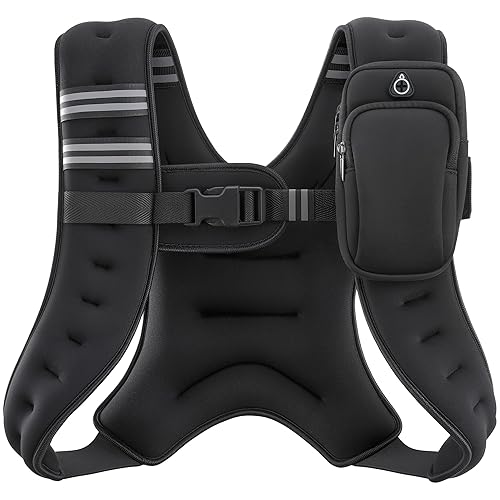
If you’re looking for the best weighted vests for beginners, you’re probably trying to burn more calories, build strength, or make your workouts more effective without spending extra time in the gym.

As a nutrition coach and fitness content creator, I evaluated weighted vests based on comfort, adjustability, durability, and suitability for walking, calisthenics, and strength training.

Here’s a quick comparison of the best weighted vests based on comfort, adjustability, and training style.

ProductBest ForWeightAdjustablePrice
ZELUS Weighted VestStrength trainingUp to 30 lbsYes$$$
ApexUp VestWalkingUp to 32 lbsYes$
Zikopomi VestRunningUp to 30lbsYes$$
Renoj VestBeginnersUp to 16 lbsYes$$

Weighted vests are one of the simplest ways to increase intensity—but not all of them are worth your money.

Best Weighted Vests for Beginners

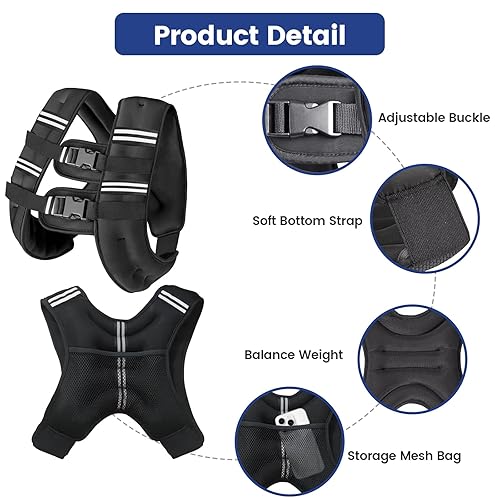
Weighted vests can increase workout intensity without changing your exercises, making them useful for walking, bodyweight training, cardio, and strength workouts

In this guide, I’ll break down the best weighted vests for beginners, who they’re best for, and which one you should actually buy.

Check out my entire weight loss plan: Let’s Start Losing Weight Now

*As an Amazon Associate, I earn from qualifying purchases.

“For a full breakdown of benefits and proper form, see this Complete Weighted Vest Training Guide.”


QUICK PICKS – Best Weighted Vests for Beginners

  • Best Overall: ZELUS Weighted Vest
  • Best for Walking: ApexUp Weight Vest
  • Best for Running: Zikopomi Weight Vest
  • Best Budget: Renoj Weight Vest

BEST OVERALL

ZELUS Weighted Vest

Why it’s the best overall:

  • Adjustable weight for progression
  • Durable and secure fit
  • Works for beginners and advanced users

BEST FOR WALKING

ApexUp Weighted Vest

  • Lightweight and comfortable
  • Great for daily steps and fat loss
  • Easy to wear for long periods

BEST FOR RUNNING

Zikopomi Weight Vest

  • Minimal bounce
  • Snug, performance fit
  • Ideal for athletes

BEST BUDGET

Renoj Weighted Vest

  • Affordable
  • Simple and effective
  • Great for beginners

ARE WEIGHTED VESTS WORTH IT?

Yes—if used correctly.

They can:

  • Increase calorie burn
  • Build strength
  • Improve endurance

For best results:
As a nutrition coach, I usually recommend starting with 10–20 lbs…


HOW TO CHOOSE

  • Choose adjustable if you want long-term use
  • Choose lightweight if you mainly walk
  • Choose performance fit if you run or train hard

HOW WE MADE OUR CHOICE

We evaluated weighted vests based on comfort, adjustability, durability, bounce reduction, weight distribution, and suitability for walking and strength training. I personally wore vests in order to test them and come to a rational conclusion.

Are weighted vests good for fat loss?

Weighted vests can support fat loss by increasing workout intensity and calorie burn during activities like walking, bodyweight exercises, cardio, and strength training. Adding extra resistance forces your body to work harder, which may help improve endurance and overall energy expenditure when combined with proper nutrition and consistent exercise.

What weight should beginners start with?

Beginners should usually start with a weighted vest that is around 5–10% of their body weight. Starting too heavy can place unnecessary stress on the joints and lower back. Adjustable weighted vests are often the best choice for beginners because they allow you to gradually increase resistance as your strength and endurance improve.

Can you wear a weighted vest every day?

You can wear a weighted vest regularly, but it’s important to avoid overuse. Many people safely use weighted vests for walking, cardio, and workouts several times per week. However, wearing a vest every day for long periods may increase strain on the knees, hips, shoulders, and back if the weight is too heavy or your body does not have enough recovery time.

Is walking with a weighted vest safe?

Walking with a weighted vest is generally safe for healthy individuals when using an appropriate weight and maintaining good posture. Beginners should start with a lighter vest and shorter walks before increasing intensity. A properly fitted weighted vest can help improve calorie burn, endurance, and lower-body strength during walking workouts.

Are adjustable weighted vests better?

Adjustable weighted vests are often better for most people because they provide flexibility and progression. You can increase or decrease the weight depending on your fitness level, workout type, and goals. Adjustable vests are especially useful for beginners, walking workouts, strength training, and long-term use because they allow gradual progression over time.


FINAL VERDICT

If you want the best overall option:
Go with the ZELUS Weight Vesthttps://amzn.to/4tikjJv

If your goal is fat loss through walking:
Go with the ApexUp Weight Vesthttps://amzn.to/3PkdBF1