
Weighted Vest for Osteoporosis: Does It Really Help Bone Density?
This post contains affiliate links. If you buy through them, I may earn a small commission at no extra cost to you. See my affiliate disclosure.
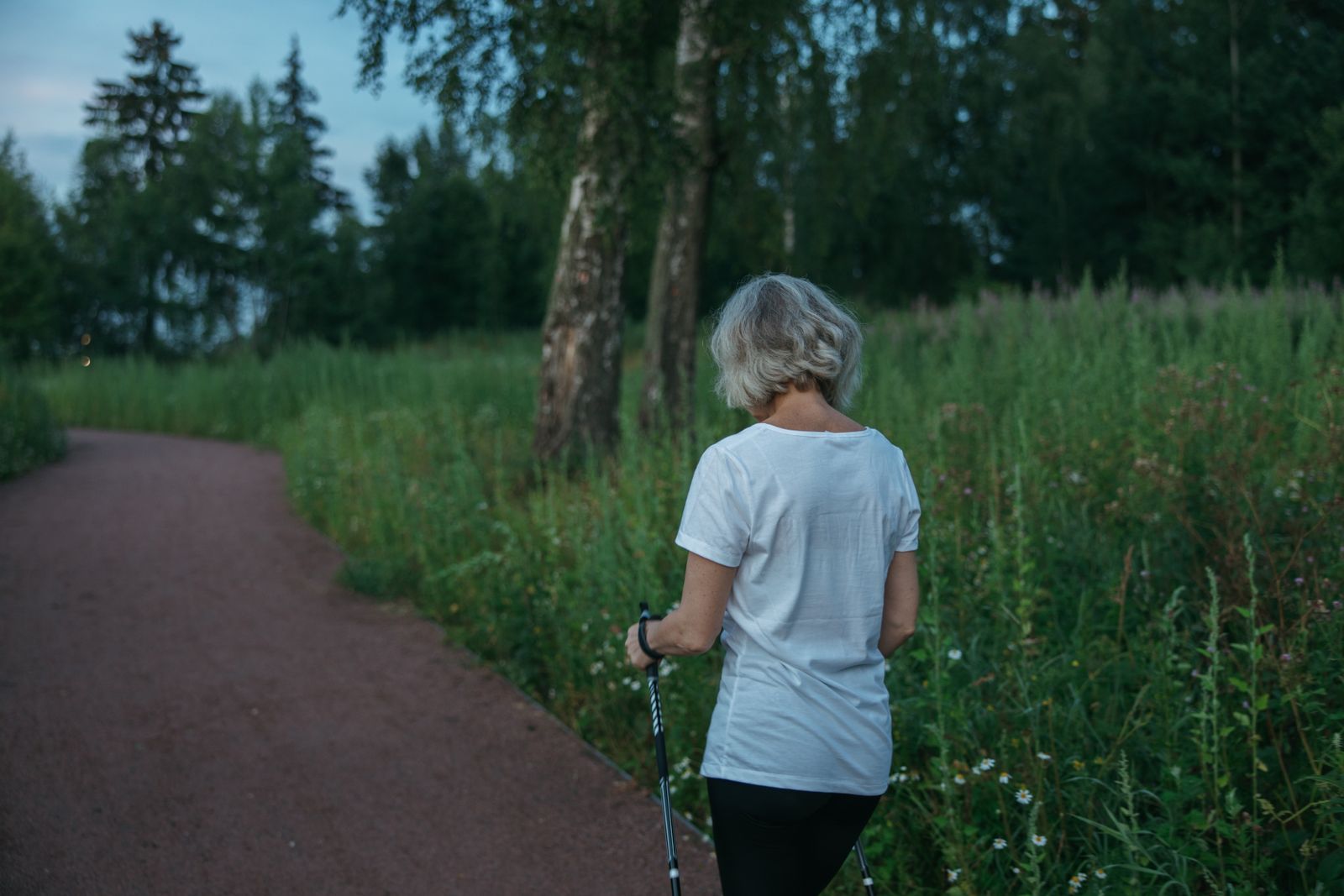
Is a weighted vest for osteoporosis worth it? As a husband and the dad of two daughters, this one is personal for me. Osteoporosis is a real issue for women, and my wife and I have talked a lot about staying strong and keeping strong bones as we get older. I want the women in my life to have strong bones for the long haul, so I dug into what the research actually says.
I am a certified nutrition coach, not a doctor, so this post sticks to the published studies and links every one of them. Below you will find how bone responds to load, what the weighted vest studies really show (including two new ones from 2025 and 2026), how much weight to use, what to watch out for, and which vest I would start with. For general vest basics, see my Weighted Vest Training Guide.
Quick answer (updated October 2026): A weighted vest can be a helpful part of a bone-health routine, especially when it is paired with strength or impact work, worn consistently and built up slowly. On its own, the evidence is mixed: a large 2025 trial found that simply wearing a vest during the day did not stop hip bone loss during weight loss, while a small 2026 trial in women with osteopenia or osteoporosis saw T-scores improve after 8 weeks of vest training. Start light, stay consistent and get your doctor’s OK first. My weighted vest walking plan walks you through it week by week.
Table of Contents
How Bone Actually Responds to Load
Bone isn’t inert. It’s constantly being broken down and rebuilt, and the balance of that process shifts based on the mechanical stress you put it under. The cells that sense that stress are called osteocytes — they make up roughly 90–95% of all the cells in bone, and they act as the tissue’s built-in strain gauges. When they detect deformation from a load, they trigger a signaling cascade (involving calcium channels and MAP kinase pathways) that tells bone-building and bone-removing cells how to respond.
The catch is that not all loading is created equal. Research on osteogenic loading suggests bone responds most strongly once a load reaches somewhere around 4 times your body weight — the range you get from jumping or heavy resistance training. Brisk walking, by comparison, loads bone at roughly 1–2 times body weight. That gap is a big part of why “just walk more” is underwhelming advice for bone density specifically, even though it’s genuinely good advice for almost everything else.
That’s the actual case for a weighted vest here: it’s a way to raise that load multiple during walking, without adding impact, for people who can’t or don’t want to run or jump. It’s also worth noting that research on loading patterns has found that breaking a session into shorter bouts with brief rest between them appears to be more effective at stimulating bone than the same total load applied continuously — one more reason a full day of light vest-wearing isn’t the same thing as a structured, loaded session.
Weighted Vest Osteoporosis Research: What the Studies Actually Show
The most-cited study here followed 18 postmenopausal women (average age 64 at the start) for five years. The exercise group combined a weighted vest with jumping exercise, three sessions a week for 32 weeks each year. The results, measured at the hip:
- Femoral neck bone density: +1.54% in the exercise group vs. –4.43% in the control group
- Total hip bone density: –0.82% in the exercise group vs. –3.80% in the control group
Read those numbers carefully. At the femoral neck, the vest-and-jumping group gained a little bone (+1.54%), while the women who did nothing lost more than 4%. At the total hip, both groups lost bone, but the exercise group lost far less. That is the realistic bar for this kind of training at this age: mostly slowing the loss, with small gains in some spots. This study measured the hip and femoral neck, not the spine, so it does not directly answer the spine version of this question. (Study on PubMed)
A separate, shorter study progressively loaded a vest on 18 postmenopausal women over 12 weeks — starting at 3% of body weight, increasing by 4% every three weeks, up to a maximum of 15% of body weight, combined with 65-minute sessions three times a week that included walking, strength work, and balance training. A bone-formation marker (osteocalcin) didn’t change significantly, but a bone-resorption marker (NTx) dropped by 14.5% — a signal of less bone being broken down, even over a relatively short window. (Study on PubMed)
To be fully honest about where the evidence stands: Osteoporosis Canada’s position statement is more skeptical, noting there’s little direct evidence that wearing a vest during ordinary daily walking, on its own, increases bone density — and that most of the positive results in the research come from vests paired with jumping or structured resistance training, not passive walking alone. That distinction matters more than most articles on this topic let on: a vest worn on your normal walk is a different intervention than a vest used inside a progressively loaded, structured routine. If you’re not sure where to start with strength work, here are the resistance training exercises I’d begin with.
The biggest and newest study adds an important caution. In the 2025 INVEST trial in JAMA Network Open, 150 older adults with obesity spent 12 months losing weight. One group wore a weighted vest (about 7 hours a day on average), one did resistance training, and one did weight loss alone. Neither the vest nor the resistance training prevented the hip bone loss that came with weight loss. That doesn’t mean vests are useless. It means just wearing one around the house probably isn’t enough by itself to protect your bones.
A 2026 follow-up on that same trial, published in Frontiers in Aging, adds the missing piece. Wake Forest researchers looked at how much of the day the vest group actually spent standing and stepping. The vest wearers who were up and moving more saw positive changes in bone density, while the weight-loss-only group lost bone (Wake Forest University, 2026). That matches what I tell people: the vest helps through movement. Wearing it on the couch does very little.
The newest study is small but encouraging. In a February 2026 randomized trial in the journal Life, 31 women aged 60 to 79 with osteopenia or osteoporosis trained three times a week for 8 weeks. The weighted vest group’s T-scores improved slightly (+0.08), while a whole-body vibration group’s T-scores dropped (−0.11). Leg and total bone density also ticked up in the vest group, though those differences between groups were not statistically significant. Eight weeks and 31 women is not a lot, but it points the same way as the older research: a vest used in structured training sessions beats just wearing one around. (Study on PMC)
Weighted Vests for Menopause and Perimenopause
Timing matters here. According to the Bone Health & Osteoporosis Foundation, a woman can lose up to 20% of her bone density in the five to seven years after menopause, and about one in two women over 50 will break a bone because of osteoporosis.
That is why perimenopause and the years around menopause are a smart time to start a slow, progressive loading routine (with your doctor’s OK), instead of waiting for a diagnosis. A weighted vest is an easy way to add load to walks you are already taking. Pair it with strength training, keep it consistent, and keep nudging the weight up over time.
How Much Weight, and How Fast — A Bone-Loading Progression, Not the Fat-Loss Pace
The pacing guidance in my fat-loss posts is built around heart rate and duration — how brisk, how long, how often. Bone-loading progression is a different variable entirely: how heavy, how gradually, and how consistently, over months rather than weeks.
Based on the research above, a reasonable starting framework looks like this:
- Start at roughly 3% of body weight (for a 150 lb person, that’s about 4.5 lbs)
- Hold that load for a few weeks before adding more
- Increase in small steps — roughly 4% of body weight every three weeks
- Progress toward a ceiling of about 10–15% of body weight over roughly three months
- Train three sessions a week, not daily, and pair the vest with actual strength or balance work rather than walking alone if bone density is the specific goal
That’s a noticeably slower, more conservative ramp than the weight guidance built for fat-loss walking — see the Weighted Vest Training Guide for that comparison in full. If your goal is bone health specifically, borrowing the faster fat-loss progression is the wrong move.
The Biggest Mistake I See: Not Being Consistent
As a coach, the biggest mistake I see is not being consistent. People wear the vest a few times a month and then forget about it. Or they stick with the same low weight they started with and never move up. Bone responds to load that is repeated and gradually increased, so a vest that sits in the closet, or never gets heavier, will not do much. Put your vest sessions on the calendar like any other appointment, and plan your next weight increase before you need it.
Safety: What to Know Before You Start
This is the section to actually read carefully if you have a diagnosed bone density condition rather than a general prevention mindset.
- Avoid spinal flexion and twisting while loaded. Bending forward under added weight is one of the more consistently flagged risk factors for vertebral compression fractures in people with low bone density.
- Be cautious with existing spine issues. Arthritis in the spine, disc injuries, or a prior vertebral fracture are all reasons to get individualized guidance before adding external load — the extra weight increases forces on the spine, especially during bending and twisting.
- Balance changes with load. Extra weight on your torso shifts your center of gravity. Worth taking seriously if falls are already a concern.
- Get clearance first if you have diagnosed osteoporosis. This article — and any general fitness content — isn’t a substitute for guidance from a doctor or physical therapist who knows your bone density scores, fracture history, and overall health.
- Practice without the vest first. Confirm posture and form are solid before adding any load at all, then progress in the small increments outlined above.
Osteopenia and osteoporosis aren’t the same starting point, and neither is “I’m in perimenopause and being proactive.” The mechanism and general research above apply broadly, but how cautiously you should move depends on where you actually are, which is exactly the kind of thing worth a real conversation with a professional rather than a blog post.
Which Weighted Vest for Osteoporosis? Start Light, Then Go Adjustable
A bone-loading plan starts around 3% of your body weight and moves up in small steps, often just a pound or two at a time. If my wife or one of my daughters asked me what to buy, here is what I would tell her: start with a light, comfortable vest, and once you are consistent, invest in a more expensive adjustable one that lets you keep progressing.
| Vest | Step | Weight | Why it fits | Approx. price |
|---|---|---|---|---|
| BAGAIL Adjustable for Women | Step 1: start light | 4–10 lb version (six 1 lb bags) | U-neck and soft neoprene, light 4 lb start | ~$27 |
| ZELUS Weighted Vest (fixed) | Step 1: start light | Fixed, from 6 lb | The vest I own; very comfortable, but no adjusting | ~$28 and up |
| Hyperwear Hyper Vest FIT | Step 2: upgrade | 1–2 lb up to 10 lb, in 0.5 lb steps | Women-specific, no weight over the chest, tiny increments | ~$115 |
| Hyperwear Hyper Vest ELITE | Step 2: upgrade | Comes with 10 lb, add booster packs | Thin steel weights, for going heavier over time | ~$260 |
Step 1: A Light, Comfortable Starter Vest
The BAGAIL Adjustable Weighted Vest for Women is the starter I would point most women to. The 4–10 lb version starts at 4 lb and adds six 1 lb bags, which lines up well with a 3% starting point for many women. The U-shaped neck and soft neoprene keep pressure off the neck and shoulders. I own a fixed-weight ZELUS vest myself and it is very comfortable, but you cannot change the weight, so for a bone-loading plan I would rather start with something you can adjust.
Step 2: Invest in a Better Adjustable Vest
Once the vest is part of your routine, it is worth spending more on one that adjusts precisely. The Hyperwear Hyper Vest FIT is built for women, keeps the weight off the chest, and adjusts in 0.5 lb steps from 1 to 2 lb up to 10 lb. If you need to go past 10 lb to reach your 10–15% target, the Hyper Vest ELITE comes with 10 lb of thin steel weights and takes add-on booster packs. For more options, see my guide to the best adjustable weighted vest.
Weighing a rucking backpack or ankle weights instead? I explain why I’d still pick a vest for walking in my weighted vest vs. ankle weights vs. rucking comparison. A vest spreads the load evenly across your chest and back, instead of pulling you backward or changing the way your legs swing.
Pros and Cons of a Weighted Vest for Osteoporosis
Here’s how I’d sum it up if you asked me as a coach:
Pros
- Adds load without extra impact. You get more weight on your hips and spine without jumping or running.
- Easy to fit into your day. You can wear it on walks you’re already taking.
- Small, adjustable steps. Most vests let you add weight a pound or two at a time.
- May help balance and leg strength. Extra load can make everyday movement a little more challenging in a good way.
Cons
- Limited evidence for the vest alone. The best results came when vests were paired with jumping or strength work.
- The INVEST trial didn’t show hip protection from daily vest wear during weight loss.
- Too much weight can strain your back, neck or knees.
- Fall risk. If your balance is already shaky, extra weight can make a fall more likely.
- Not a replacement for strength training, good nutrition, or treatment your doctor recommends.
Bottom line: think of a vest as one helpful tool, not the whole plan. Talk with your doctor first, especially if you’ve already been diagnosed with osteoporosis or have had a fracture.
Weighted Vest for Osteoporosis FAQs
Do weighted vests work for osteoporosis?
They can help, but mostly as part of a structured routine. The best results came when vests were used in training sessions with jumping or strength work, three times a week, and built up over time. Just wearing a vest during the day did not prevent hip bone loss in the 2025 INVEST trial. Talk with your doctor before starting if you have osteoporosis.
Does a weighted vest help with bone density?
It can help slow bone loss when it’s part of a structured, progressively loaded routine. The strongest evidence comes from a five-year study combining a vest with jumping exercise three times a week — not from wearing one on casual daily walks. Even then, the realistic outcome for postmenopausal women was less bone loss compared to doing nothing, not a dramatic increase in bone density.
Is a weighted vest good for osteoporosis?
It may be a useful part of a broader routine, but this is exactly the situation where “may be” matters. Talk to your doctor or a physical therapist before starting, avoid spinal flexion or twisting while loaded, and start with a very light vest and a slow progression rather than following general fitness advice (including this article) as a substitute for individual guidance.
Is a weighted vest good for osteopenia?
Osteopenia — bone density that’s lower than normal but not yet in the osteoporosis range — is generally a lower-risk starting point for this kind of loaded exercise than diagnosed osteoporosis, but the same progression, posture, and safety guidance above still applies. It’s still worth a conversation with your doctor before starting, especially if you’re new to loaded exercise.
Can I use a weighted vest during perimenopause or menopause for bone health?
Yes, and the timing argument is actually a good one — perimenopause and the years right around menopause are when bone loss accelerates fastest for most women, which is exactly when starting a slow, progressive loading routine (with a doctor’s clearance) is worth considering, rather than waiting until an osteoporosis diagnosis changes the risk calculus.
How heavy should a weighted vest be for osteoporosis?
Start light, around 3% of your body weight (about 5 pounds for a 160-pound person). Add roughly 4% more every three weeks if you feel good, and top out around 10–15% of your body weight. The progression section above lays it out step by step.
What should women look for in a weighted vest for osteoporosis?
Comfort and adjustability. Look for a vest that sits high and snug, with soft padding around the neck and shoulders and side straps so it does not bounce. Pick one that adjusts in small 1–2 lb (or smaller) steps, since a bone-loading plan starts around 3% of your body weight. I would start with a light, comfortable vest and upgrade to a more precise adjustable vest once you are consistent.
Should I wear a weighted vest all day for bone density?
Probably not. In the INVEST trial, people wore a vest about 7 hours a day for a year, and it still didn’t prevent hip bone loss during weight loss. Shorter, focused sessions, like a 20–30 minute walk with the vest plus some strength work, are a better use of your time and easier on your back.
What are the pros and cons of a weighted vest for osteoporosis?
Pros: it adds load to your hips and spine without extra impact, fits into walks you already take, and adjustable vests let you progress in small steps. Cons: the evidence for the vest alone is limited, too much weight can strain your back or knees, extra weight can raise fall risk if your balance is shaky, and it does not replace strength training, nutrition or treatment from your doctor.
Final Thoughts
The mechanism behind weighted vests and bone density is real: bone responds to mechanical load, and adding weight to a walk raises that load without adding impact. But the evidence specifically for vests is smaller and more mixed than general exercise-and-bone research as a whole, and the studies showing real results paired the vest with jumping or structured strength work — not passive walking alone.
If you’re considering this for bone health, the honest version of the advice is: progress slowly, keep the increments small, pair the vest with actual loaded exercise rather than just wearing it on your normal walk, and get individualized clearance if you already have a diagnosed bone density condition. That’s a different, more careful approach than the general fat-loss guidance elsewhere on this site — and for this particular goal, it’s the one worth following. In short: weighted vest bone density gains are real but modest, and weighted vest osteoporosis programs work best alongside your doctor’s guidance, not instead of it.
If you asked me for one sentence, it would be this: with your doctor’s OK and a light start, you have nothing to lose and a lot to gain. Start light, stay consistent and keep moving the weight up.
Want a step-by-step plan? I’m building Walk It Off, an 8-week weighted vest walking program for busy beginners. Join the waitlist to get the founding-member price.


6 Comments