
Does a Weighted Vest Help Lose Belly Fat? (The Honest Answer)
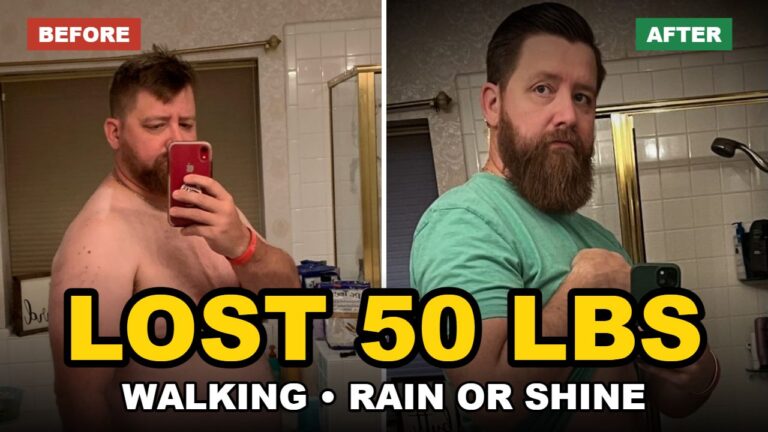
If you’ve ever looked in the mirror and thought, “I just want this belly gone,” I get it. That was me, 50 pounds ago. So when weighted vests started showing up everywhere, my first question was the same one you’re searching: does a weighted vest actually help you lose belly fat?
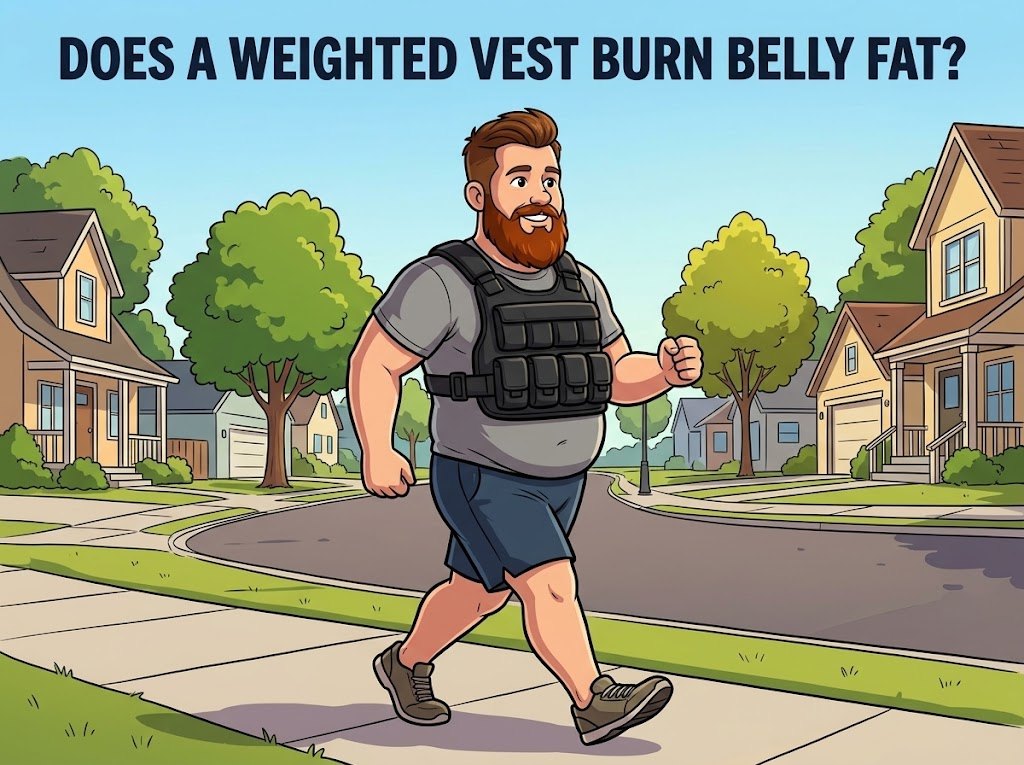
Quick answer (updated October 2026): Yes, but not the way most people hope. A weighted vest can’t burn fat off your stomach specifically. Nothing can. What it does is make every walk burn more calories (roughly 10–13% more in lab studies) and help you hang on to muscle while you lose weight. Pair it with a calorie deficit and you’ll lose fat everywhere, and belly fat, especially the deeper visceral fat, tends to respond well to that kind of steady walking.
What I noticed: When I added a weighted vest to my walks, I felt stronger, especially in my legs. I had less leg fatigue as well. That’s the real win for me. A vest makes your everyday walking a little harder, so your body adapts and gets stronger while the fat-loss work happens in the background.
Affiliate disclosure: Me-Fitter earns from qualifying Amazon purchases. It doesn’t change what I recommend.
Table of Contents
Can a Weighted Vest Target Belly Fat?
No, and it’s worth understanding why, because it’ll save you a lot of frustration. Your body decides where it pulls fat from, not the muscles you’re working. In one well-known study, people did abdominal exercises five days a week for six weeks. Their core got stronger, but the fat on their stomachs didn’t shrink compared with people who didn’t do the exercises (Vispute et al., Journal of Strength and Conditioning Research, 2011).
A vest works the same way. It sits on your torso, but it doesn’t “melt” the fat underneath it. It helps by raising your total calorie burn, and that’s what eventually shrinks your waist.
How a Weighted Vest Actually Helps You Lose Belly Fat
1. You burn more calories on the same walk
In a study from the American Council on Exercise, women walking at 2.5 mph with a vest equal to 10–15% of their body weight burned about 12–13% more calories than without one, and the boost was biggest on an incline (Kravitz & McCormick, ACE). Let’s be honest about the size of that: on a 30-minute walk, it’s roughly 15–25 extra calories (Texas A&M Howdy Health). Small per walk, but it adds up when you walk most days.
2. Walking goes after visceral belly fat
Visceral fat is the deeper fat packed around your organs, the kind linked to heart disease and type 2 diabetes. A review of exercise studies found regular aerobic exercise like brisk walking reduces visceral fat in adults with overweight, even when the scale doesn’t move much (Vissers et al., PLoS One, 2013). A vest just makes that walk a little harder, so you get more out of the same time.
3. Wearing it longer may matter
In a Swedish trial, adults with obesity wore a heavy vest (about 11 kg, or 24 lbs) for eight hours a day for three weeks. They lost about 1.6 kg (3.5 lbs) on average versus 0.3 kg in a group wearing a 1 kg vest, and the loss came from fat while muscle stayed intact (Ohlsson et al., EClinicalMedicine, 2020). The researchers couldn’t say whether that fat came from the belly specifically. It was also a short study, and eight hours in a 24-lb vest isn’t something I’d jump into on day one.
4. It helps protect your muscle while you diet
When you eat less, you can lose some muscle along with fat. Carrying extra load gives your legs, hips and core a reason to hold on to it. More muscle means a better-looking midsection once the fat comes off, and it makes keeping the weight off easier. That matches what I noticed when I started walking with a vest: I felt stronger, especially in my legs, and I had less leg fatigue on my regular walks.
Weighted Vest vs. Just Walking More
A vest isn’t magic, so here’s how it stacks up against other ways to burn a few more calories on your walk:
| Option | Extra calories (30-min walk) | Best for |
|---|---|---|
| Weighted vest (10–15% of body weight) | About 10–13% more | Getting more out of walks you already do; protecting muscle |
| Walking 10 minutes longer | About a third more | Anyone with a bit more time |
| Adding hills or incline | Often more than a vest | Treadmill walkers or hilly neighborhoods |
| Vest + incline together | The biggest boost | Once you have a few weeks of vest walking under you |
My take: if you’re short on time, the vest is a great way to squeeze more out of the walk you’re already doing. If you have time, just walking longer works too. See how much you should walk a day to lose weight for the numbers.
How I’d Use a Weighted Vest to Lose Belly Fat
- Start light. About 5% of your body weight (10 lbs if you weigh 200), then build toward 10%.
- Start short. 15–20 minutes, 2–3 times a week, before adding time or weight.
- Add hills before adding weight. Incline gives you the biggest jump in calorie burn.
- Keep a calorie deficit. The vest raises your burn, but your eating decides whether you lose belly fat. My calorie deficit and macros guide walks you through it.
- Eat protein at every meal. It keeps you full and works with the vest to protect muscle.
- Measure your waist, not just your weight. Check it once a week at your belly button. It often shrinks before the scale moves much.
Want a ready-made schedule? Follow the 6-week beginner plan in my guide to walking with a weighted vest.
Who Should Be Careful
A vest adds load to your spine, hips, knees and feet. Talk to your doctor before using one if you have back or neck problems, joint pain, heart or blood pressure issues, osteoporosis, or you’re pregnant. I cover this in detail in is a weighted vest safe.
Choosing a Weighted Vest
For walking, look for a vest that sits snug and high on your chest so it doesn’t bounce, with adjustable weight so you can start light. Two I recommend:
- ZELUS Weighted Vest: budget-friendly and snug, a good first vest for walking.
- ApexUp Weight Vest: comfortable for longer walks.
Comparing more options? See my roundup of the best weighted vests on Amazon.
Weighted Vest and Belly Fat: Your Questions Answered
Does walking with a weighted vest help lose belly fat?
It can help, indirectly. Walking with a vest burns more calories than walking without one, and regular walking reduces visceral belly fat. Combine it with a calorie deficit and your waist should shrink over time.
Will a weighted vest help with belly fat on its own?
Not on its own. If you wear a vest but eat more than you burn, you won’t lose belly fat. The vest is a booster, not a replacement for eating well.
How long does it take to lose belly fat with a weighted vest?
Most people notice their waist shrinking within 4–8 weeks of consistent walking plus a calorie deficit. Visible change depends on how much fat you’re starting with.
Should I wear a weighted vest all day to lose belly fat?
I wouldn’t start there. One study used a heavy vest for eight hours a day, but that’s a lot of load on your back and joints. Start with 15–20 minute walks and build up. If you want to wear it around the house later, use a light vest for short stretches.
How heavy should a weighted vest be for belly fat?
Start around 5% of your body weight and work up to 10–15%. Heavier isn’t better if it wrecks your form or makes you skip walks.
The Bottom Line
A weighted vest won’t melt belly fat off your stomach, but it’s a simple way to make every walk count a little more and protect your muscle while you lose weight. Start light, walk consistently, keep your eating in check, and watch your waistline, not just the scale. For more of the science, read my weighted vest benefits post.
Grab my free portion control cheat sheet to keep your eating on track without counting every calorie.
Sources
- Vispute SS et al. The effect of abdominal exercise on abdominal fat. J Strength Cond Res. 2011
- Kravitz L, McCormick J. The metabolic cost of slow graded treadmill walking with a weighted vest. ACE
- Vissers D et al. The effect of exercise on visceral adipose tissue in overweight adults. PLoS One. 2013
- Ohlsson C et al. Weighted vests and weight loss in obesity. EClinicalMedicine. 2020 (summary)
- Texas A&M Howdy Health. Walking with weights

2 Comments