
Calorie Deficit & Macros: The Complete Fat Loss Framework

Calorie deficit, macros, and “the fat loss pyramid” usually show up on this site as three separate topics. In practice they’re one system: a deficit decides whether you lose weight at all, macros decide what that weight loss actually costs you in muscle and energy, and the rest of the pyramid (lifting, sleep, cardio) decides whether the whole thing is sustainable. This guide walks through all three together, in the order they actually matter.

Layer 1: The Calorie Deficit (Whether You Lose Weight At All)

A caloric deficit simply means you’re burning more calories than you’re taking in. When that happens consistently, your body pulls the difference from stored fat. Everything else in this guide — macros, lifting, sleep, cardio — changes the quality of the weight you lose, but the deficit is what makes the scale move in the first place.

To find your deficit, you need two numbers: your Basal Metabolic Rate (BMR) and your Total Daily Energy Expenditure (TDEE).

BMR is the calories your body burns at rest just to function. The Harris-Benedict equation estimates it from your weight, height, age, and sex:

  • Men: BMR = 88.362 + (13.397 × weight in kg) + (4.799 × height in cm) − (5.677 × age in years)
  • Women: BMR = 447.593 + (9.247 × weight in kg) + (3.098 × height in cm) − (4.330 × age in years)

TDEE takes that resting number and scales it up for how active you actually are — multiply your BMR by an activity factor (roughly 1.2 for sedentary, up to 1.9 for very active). TDEE is your maintenance calories: eat at that number and your weight holds steady. Eat consistently below it, and you’re in a deficit.

A moderate, sustainable deficit is usually 500–750 calories a day below TDEE — enough to lose about 1–1.5 lbs a week without the muscle loss, energy crashes, and rebound weight gain that come with more extreme cuts. If you want a day-by-day version of this in practice rather than just the formula, see the Simple Weight Loss Plan.

Layer 2: Macros (What the Deficit Actually Costs You)

Once your calorie target is set, macronutrients — carbohydrates, protein, and fat — determine whether the weight you lose is mostly fat, or whether a chunk of it is muscle you’ll wish you’d kept. Each gram of macro carries a fixed number of calories:

  • Carbohydrates: 4 calories per gram
  • Protein: 4 calories per gram
  • Fat: 9 calories per gram

Your total intake is just the sum: Total Calories = (Carb grams × 4) + (Protein grams × 4) + (Fat grams × 9). That formula is also how you reverse-engineer a target — decide your calories from Layer 1, then split them across the three macros based on your goal.

Protein is the one macro worth prioritizing deliberately in a deficit, since it’s what protects lean muscle while you’re losing weight. A simple starting target is 0.7–1 gram of protein per pound of your goal body weight; carbs and fat can flex around whatever’s left in your calorie budget. Whole, nutrient-dense foods make hitting these numbers easier to sustain, since they tend to be more filling per calorie than heavily processed ones.

Track your intake for at least a week with an app before trying to eyeball it — most people underestimate calories from oils, dressings, and “healthy” handfuls of nuts by a wide margin. And expect to adjust: if the scale stalls for two or more weeks despite tracking accurately, that’s usually a sign your TDEE has shifted (often downward, as you lose weight) and your numbers need a small recalculation rather than a bigger cut.

For the food side of this layer, see our guides to the best protein powders for hitting a protein target and the best high-fiber foods for staying full on fewer calories.

Layer 3, 4 & 5: Lifting, Sleep, and Cardio

Calories and macros get the most attention because they’re the most measurable, but three more layers determine whether a deficit is sustainable for more than a few weeks.

Layer Why it matters What the research shows
Weight lifting Preserves lean muscle mass during a deficit and keeps your metabolism from slowing down as much as diet alone. Resistance training raises resting metabolic rate and helps maintain muscle even while losing weight (Westcott, 2012).
Sleep Poor sleep disrupts the hormones (ghrelin and leptin) that regulate hunger and appetite, making the deficit harder to stick to. Insufficient sleep specifically undermines fat loss and increases muscle loss during a calorie deficit, even when calories are controlled (Nedeltcheva et al., 2010).
Cardio Adds to your calorie burn and supports cardiovascular health, though it’s a smaller lever than diet for most people. High-intensity interval training is efficient for calorie burn during and after exercise; steady-state cardio (walking, jogging) remains effective for sustained fat loss (Boutcher, 2011).

For lifting, start with compound movements that hit multiple muscle groups rather than isolation work — see our home gym equipment guide if you’re setting up to train at home. For cardio, Zone 2 Cardio and walking for fat loss cover the steady-state end of that spectrum in more depth. For sleep, small, consistent habits (a fixed bedtime, a dark and cool room, less screen time before bed) tend to matter more than any single trick.

Putting the Layers Together

None of these layers works in isolation. A calorie deficit with no attention to protein or lifting will cost you muscle along with fat. Perfect macros with no deficit won’t move the scale at all. And a great diet undone by five hours of sleep a night will feel much harder than it needs to. Start with the deficit (Layer 1), get your protein target dialed in (Layer 2), and layer in lifting, sleep, and cardio as you’re able to sustain them — in roughly that order of priority.

References

  1. Hall, K. D., et al. (2019). Calorie for Calorie, Dietary Fat Restriction Results in More Body Fat Loss than Carbohydrate Restriction in People with Obesity. Cell Metabolism, 29(1), 23-36.
  2. Sacks, F. M., et al. (2009). Comparison of Weight-Loss Diets with Different Compositions of Fat, Protein, and Carbohydrates. New England Journal of Medicine, 360(9), 859-873.
  3. Westcott, W. L. (2012). Resistance training is medicine: effects of strength training on health. Current Sports Medicine Reports, 11(4), 209-216.
  4. Nedeltcheva, A. V., et al. (2010). Insufficient Sleep Undermines Dietary Efforts to Reduce Adiposity. Annals of Internal Medicine, 153(7), 435-441.
  5. Boutcher, S. H. (2011). High-Intensity Intermittent Exercise and Fat Loss. Journal of Obesity, 2011.

Walking for Fat Loss: The #1 Science-Backed Guide to Burning Fat Through Walking

Walking for Fat Loss

Walking for fat loss is one of the most underrated yet effective strategies for sustainable health. Unlike high-intensity workouts that can be intimidating or unsustainable, walking offers a low-impact, accessible approach that anyone can start today. This comprehensive guide explores how walking burns fat, optimal walking strategies, and how to maximize your results.

Learn How to Walk Effectively Indoors Here: Inclined Walking for Fat Loss

Read this Article for Scientific Studies: Medical News Today Article

Why Walking Works for Fat Loss

Walking burns calories while being gentle enough to maintain consistency, which is the true key to long-term fat loss. When you walk at a moderate pace, your body primarily uses fat as fuel, making it an ideal activity for those specifically targeting fat reduction rather than just weight loss. This is exactly why walking for fat loss has become such a popular, sustainable strategy.

Research shows that regular walking can create the caloric deficit needed for fat loss without triggering the extreme hunger or fatigue associated with more intense exercise. A 155-pound person burns approximately 140 calories per 30 minutes of brisk walking, and these numbers add up significantly over weeks and months.

How Much Should You Walk for Fat Loss?

For meaningful fat loss results, aim for 150-300 minutes of moderate-intensity walking per week. This breaks down to roughly 30-60 minutes daily, five days per week. If you’re just starting out, begin with 15-20 minute walks and gradually increase your duration as your fitness improves. This moderate-intensity range is essentially Zone 2 Cardio, one of the most efficient training zones for sustainable fat burning. This range represents the sweet spot for walking for fat loss without risking burnout.

The “10,000 steps per day” guideline remains a useful target, though the exact number matters less than consistency. Studies indicate that even 7,000-8,000 steps daily can produce significant health and fat loss benefits when combined with mindful eating. For a deeper look at whether the 10,000-step benchmark actually holds up, see our full breakdown: 10,000 Steps a Day for Weight Loss.

Optimizing Your Walking Routine for Maximum Fat Burn

Walking Pace and Intensity

Your walking pace significantly impacts fat burning. Aim for a brisk pace where you can talk but not easily sing. This typically corresponds to 3-4 miles per hour for most people. At this intensity, you’re working hard enough to burn calories efficiently while staying in the fat-burning zone. Want to dial in your pace with more precision? Learn how to find your Fat-Burning Heart Rate Zone by heart rate instead of feel.

Consider incorporating interval walking, alternating between periods of faster and slower walking. For example, walk briskly for two minutes, then at a moderate pace for one minute, repeating this cycle throughout your walk. This variation can increase total calorie burn by up to 20% compared to steady-state walking. If you want to push this further, our HIIT Workouts for Beginners guide covers similar interval-based principles for even greater calorie burn.

Incline and Terrain

Walking uphill or on varied terrain dramatically increases calorie expenditure. Incline walking engages more muscle groups, particularly your glutes and hamstrings, while burning significantly more calories than flat walking. If you’re walking on a treadmill, a 5-10% incline can nearly double your calorie burn compared to walking on a flat surface. Adding incline is one of the simplest ways to accelerate walking for fat loss.

Outdoor walking on trails, hills, or stairs provides natural resistance training while keeping your workouts interesting and engaging.

When to Walk for Optimal Fat Loss

The best time to walk is whenever you can maintain consistency, but certain timing strategies may enhance fat burning. Some research suggests that fasted walking in the morning, before breakfast, may increase fat oxidation. However, the most important factor is finding a time that fits your schedule and that you can stick with long-term.

Walking after meals, particularly after dinner, can improve blood sugar regulation and increase daily calorie expenditure without requiring dedicated workout time.

Combining Walking with Nutrition for Fat Loss

Walking creates a caloric deficit, but your nutrition ultimately determines your results. Focus on whole foods, adequate protein intake (0.7-1 gram per pound of body weight), and a moderate caloric deficit of 300-500 calories below your maintenance level. Ultimately, walking for fat loss is only half the equationโ€”nutrition drives the rest.

Avoid the trap of overestimating calories burned from walking and overeating as compensation. While that 30-minute walk burned 140 calories, a single muffin can easily contain 400 calories or more.

Tracking Progress and Staying Motivated

Monitor your walking habit through step-counting apps, fitness trackers, or simple journaling. Track metrics beyond just weight, including measurements, energy levels, sleep quality, and how your clothes fit. Fat loss often shows up in these areas before the scale moves. Consistent tracking keeps your walking for fat loss routine on course.

Set process goals (walking five times this week) rather than just outcome goals (lose 10 pounds). This approach keeps you motivated and acknowledges the effort you’re putting in regardless of how quickly the fat comes off. This mindset shift is essential for long-term walking for fat loss success.

Common Walking Mistakes to Avoid

Don’t make these common errors that can limit your fat loss results. First, avoid walking at too comfortable a pace where you’re barely elevating your heart rate. Second, don’t neglect proper walking formโ€”maintain upright posture, engage your core, and use your arms for momentum. Third, resist the urge to do the same route at the same pace every single day, as your body adapts and burns fewer calories over time. Swapping in a Quick HIIT Exercise for Home Gym session once or twice a week is another easy way to keep your body from adapting.

Building a Sustainable Walking Habit

Start small and build gradually. Consistency beats intensity when it comes to walking for fat loss. Make walking convenient by keeping walking shoes in your car, walking during phone calls, or scheduling walking meetings. Join walking groups or recruit a walking buddy for accountability and social connection. The right footwear matters tooโ€”see our picks for the Best Running Shoes for Weight Loss to keep your walks comfortable and injury-free.

Direct pick: the Brooks running shoes on Amazon are our best-for-beginners pick if you need new walking shoes.

Remember that walking for fat loss is a marathon, not a sprint. The beauty of walking is its sustainabilityโ€”you can maintain this habit for life, continuously reaping the fat loss and health benefits for years to come.

Conclusion

Walking for fat loss works because it’s sustainable, accessible, and effective when done consistently. By walking 30-60 minutes most days of the week at a brisk pace, incorporating inclines and intervals, and pairing your walking routine with sensible nutrition, you can achieve meaningful fat loss results. Start today with a single 15-minute walk, and build from there. Your future self will thank you for taking that first step.

More Walking & Cardio Guides

Want to see what kept me consistent along the way? Check out the weight loss YouTube channels I paired with my daily walks.

10000 Steps a Day for Weight Loss: Does It Actually Work? (My Experience)

10000 Steps a Day Weight Loss

In our fast-paced lives, finding simple yet impactful ways to boost our health is more crucial than ever. One such accessible and effective practice is taking 10000 steps a day. This recommendation, often associated with improved well-being, has garnered attention for its potential health benefits. Let’s delve into the fascinating world of walking and explore how it can positively impact both your physical and mental health. For the full picture on how walking supports fat loss specifically, check out our complete Walking for Fat Loss guide.

Check out my Weight Loss Plan for a full guide to how I lost more than 50 pounds in 6 months.

Understanding the 10000 Steps a Day Guideline

A Historical Perspective

Originating in Japan in the 1960s, the 10000 steps a day guideline was initially introduced as a marketing strategy for pedometers. However, it has since evolved into a widely recognized benchmark for daily physical activity.

Why 10,000?

This number is not arbitrary; it represents a target that health experts believe can contribute significantly to overall fitness. Let’s uncover the various ways achieving this goal can enhance your health.

This Mayo Clinic Article offers more insights into the 10,000 step reasoning.

Physical Health Benefits

Cardiovascular Health

Regular walking has been linked to improved cardiovascular health. By incorporating brisk walks into your routine, you can reduce the risk of heart diseases and promote a stronger, healthier heart.

Weight Management

Walking is a fantastic ally in the battle against excess weight. Burning calories through consistent walking can aid in weight management and complement other aspects of a healthy lifestyle.

Muscle and Joint Health

Contrary to the misconception that walking is a low-impact exercise, it actually supports muscle and joint health. Walking strengthens the muscles in your legs, hips, and core, and its low-impact, repetitive motion helps lubricate your joints rather than wear them down — part of why it’s often recommended even for people managing arthritis or joint pain.

Mental Health Benefits

Stress Reduction

The rhythmic, repetitive motion of walking has a calming effect on its own, and getting outside adds to it — even a short walk can lower stress levels and leave you in a noticeably calmer state of mind.

Improved Cognitive Function

Regular walking increases blood flow to the brain, which is linked to sharper memory and better cognitive function over time — one more reason a daily walk pays off beyond the physical side.

Enhanced Mood

Walking triggers the release of endorphins, the same feel-good chemicals behind a “runner’s high” — just at a lower intensity — which is part of why a walk can lift your mood even on a rough day.

Lifestyle Integration

Practical Tips for Achieving 10,000 Steps

A few small changes make 10,000 steps a lot more achievable: take the stairs instead of the elevator, park farther from the entrance, take a short walk after meals, or set a reminder to get up and move for five minutes every hour. None of it requires a dedicated workout block — it just adds up over the day.

Making Walking Enjoyable

Walking doesn’t have to be a monotonous task. Explore creative ways to make your walks enjoyable, such as walking with friends, exploring nature trails, or listening to your favorite podcast.

Real-Life Success Stories

Inspiring Narratives

When I started my own weight loss journey, 10,000 steps a day was one of the simplest, most repeatable habits I built into my routine. I didn’t hit it every day right out of the gate — if 10,000 felt like too much, I’d aim for 8,000, and if even that felt like a lot, I’d start at 5,000 and build from there. What made it work wasn’t hitting an exact number; it was that walking is low-impact enough to do every single day without burning out, and the steps add up whether they come from a dedicated walk or just moving more throughout the day. It became one of the most consistent parts of losing the weight and keeping it off.

Conclusion

Walking is about as simple as fitness habits get, and 10,000 steps is a good target to build toward — not because the number itself is magic, but because it nudges you to move more throughout the day, and that adds up more than most people expect. Start where you are, build from there, and don’t stress about the days that land under the number.

Call-to-Action

If walking clicks for you the way it did for me, the next step is pairing it with a real eating plan — my Weight Loss Plan walks through the rest of the daily routine.

Protein for Weight Loss

Protein for Weight Loss

In the journey towards achieving a healthy weight, understanding the significance of proper nutrition is paramount. Among the essential nutrients, protein stands out as a key player, not only for muscle building but also for its profound impact on weight loss. In this comprehensive guide, we’ll delve into the importance of protein in your weight loss journey and provide a formula to determine the optimal amount of protein for weight loss.

Check out my article on The Best Protein Powders for more: https://me-fitter.com/best-protein-powders/


The Role of Protein for Weight Loss

Building Blocks of a Successful Weight Loss Strategy

The human body is a complex system, and its functions are intricately linked to the nutrients it receives. Protein, often referred to as the building block of life, plays a crucial role in weight loss. Unlike fats and carbohydrates, protein requires more energy for digestion and absorption, contributing to a higher calorie burn. This process is known as the thermic effect of food (TEF), and it can aid significantly in weight loss efforts.


Curbing Hunger and Boosting Metabolism

One of the main challenges individuals face during weight loss is managing hunger. Protein-rich foods have a satiating effect, helping you feel fuller for longer periods. Additionally, protein has the ability to boost your metabolic rate, ensuring that your body efficiently burns calories even at rest. This dual effect makes protein a powerful tool for weight management.


How Much Protein Do You Need?

The Protein Formula for Weight Loss

Determining your optimal protein intake requires a personalized approach. A widely accepted formula involves calculating a percentage of your total daily calorie intake. The formula is as follows:

Desired body weight (in pounds) x .75 = daily protein in grams

The recommended protein percentage often falls within the range of 15-25%, depending on individual factors such as activity level, age, and overall health. Let’s break down the formula with a practical example.


A Practical Example

Assuming a daily caloric intake of 2000 calories and a protein percentage of 25%, the calculation would be as follows:

185 pounds (desired weight) x .75 grams ~ 140 grams of Protein per day

This means that an individual aiming for a 25% protein intake should consume approximately 140 grams of protein per day for optimal weight loss benefits.

You can even bump this up to 1 gram per pound of desired body weight for more benefits.


Incorporating Protein into Your Diet

Protein-Rich Foods for Weight Loss

Achieving the recommended protein intake doesn’t have to be daunting. Numerous delicious and nutritious foods are rich in protein. Incorporating these into your diet can make the weight loss journey both enjoyable and effective.


Meal Ideas and Recipes

  1. Lean Meats: Chicken breast, turkey, and lean cuts of beef.
  2. Fish: Salmon, tuna, and other fatty fish.
  3. Plant-Based Proteins: Quinoa, lentils, beans, and tofu.
  4. Dairy: Greek yogurt, cottage cheese, and low-fat milk.

Transform Your Weight Loss Journey with Protein Power

In conclusion, protein is a game-changer when it comes to weight loss. Its ability to enhance metabolism, curb hunger, and support muscle development makes it a vital component of any successful weight loss strategy. By determining your personalized protein intake using the provided formula and incorporating protein-rich foods into your diet, you can unlock the full potential of protein in achieving your goals.

Remember, consult with a nutrition professional or healthcare provider to tailor these recommendations to your individual needs. With the right approach, you’ll not only shed unwanted pounds but also embark on a journey towards a healthier and more vibrant you.

For a bigger-picture view, see our complete guide to fat-loss supplements. If you’re building out your protein intake, we’ve rounded up the best powders to hit that target, and it’s worth covering your other nutrient bases while you’re at it.

Caloric Deficit

Caloric Deficit

Embarking on a weight loss journey requires more than just cutting back on calories; it demands a deeper understanding of the science behind shedding those extra pounds. At the heart of this process lies the concept of a caloric deficit โ€“ a term that often floats around in fitness circles but deserves a closer look. In this blog post, we’ll unravel the significance of maintaining a caloric deficit, explore how it impacts weight loss, and equip you with practical insights, including the essential formulas for calculating Basal Metabolic Rate (BMR) and Total Daily Energy Expenditure (TDEE).

The Basics of Caloric Deficit

Let’s start with the basics. A caloric deficit occurs when you burn more calories than you consume. It’s essentially the magic formula for weight loss, where the body taps into its fat stores for energy. The delicate balance between calories in and calories out is where the real transformation happens.

Understanding energy balance is key. It’s the equilibrium between the calories you take in through food and the calories your body burns to function. Calories play a pivotal role in fueling the body’s essential functions, making them the currency of the energy balance game.

Importance of Caloric Deficit for Weight Loss

Now, let’s delve into why a caloric deficit is your secret weapon for shedding those unwanted pounds. When you’re in a caloric deficit, your body becomes a fat-burning machine. It’s not just about losing weight; it’s about losing fat while preserving precious lean muscle mass.

Preserving muscle is crucial because muscle mass is a metabolic powerhouse โ€“ it keeps your metabolism revved up. Sustainable weight loss is the goal, and crash diets are out of the equation. Gradual progress is the name of the game, ensuring that your weight loss journey is not just a sprint but a marathon towards lasting health.

Calculating Caloric Deficit

Now, let’s get down to the nitty-gritty of calculating your caloric deficit. It all starts with understanding two fundamental concepts: Basal Metabolic Rate (BMR) and Total Daily Energy Expenditure (TDEE).

BMR is the number of calories your body needs at rest for basic functions. You can calculate it using the Harris-Benedict Equation, tailored to your gender:

  • For Men: BMR = 88.362 + (13.397 ร— weight in kg) + (4.799 ร— height in cm) – (5.677 ร— age in years)
  • For Women: BMR = 447.593 + (9.247 ร— weight in kg) + (3.098 ร— height in cm) – (4.330 ร— age in years)

TDEE, on the other hand, accounts for your physical activity level. Multiply your BMR by an activity multiplier ranging from sedentary to very active, and voila โ€“ you have your TDEE.

Practical Tips for Success

Calculations aside, achieving and maintaining a caloric deficit involves practical strategies. Mindful eating is about listening to your body’s hunger and fullness cues. Opt for nutrient-dense foods to meet your nutritional needs while staying within your caloric budget. Regular physical activity, encompassing both cardio and strength training, complements your caloric deficit efforts, boosting your overall health.

In conclusion, weight loss isn’t just about slashing calories; it’s about understanding and harnessing the power of a caloric deficit. Armed with the knowledge of BMR, TDEE, and practical tips, you’re ready to embark on a journey towards a healthier, fitter you. Consistency is key, and for personalized guidance, consider consulting with a nutrition coach who can tailor advice to your unique needs and goals.

Keep Reading

Zone 2 Cardio

Zone 2 Cardio

Embarking on a fitness journey requires a discerning approach, and amid the myriad of workout options, Zone 2 Cardio stands out as a linchpin for effective weight loss. This comprehensive guide aims to demystify the intricacies of Zone 2 Cardio, offering insights into its definition, the underlying science, and most importantly, providing practical strategies on how to calculate and achieve Zone 2 during your workouts. Walking is one of the simplest ways to stay in this zoneโ€”see our full Walking for Fat Loss guide for a practical approach.

Understanding Zone 2 Cardio

Defining Zone 2

Zone 2 is a specific heart rate zone expressed as a percentage of your maximum heart rate. It serves as a cornerstone for aerobic exercise, balancing an elevated heart rate to enhance cardiovascular fitness without tipping into anaerobic metabolism. For a simpler way to find this zone without a lab test, see our guide to the Fat-Burning Heart Rate Zone.

The Science Behind Zone 2

To appreciate the significance of Zone 2 Cardio, it’s crucial to delve into the physiological mechanisms at play. Aerobic exercise primarily taps into fat as a fuel source, and Zone 2 represents the optimal intensity where fat oxidation is maximized, making it the sweet spot for weight loss.

The Importance of Zone 2 Cardio for Weight Loss

Maximizing Fat Burning

Zone 2 Cardio takes center stage in weight loss by maximizing fat burning. Understanding the intricacies of fat oxidation during aerobic exercise explains why Zone 2 is the ideal zone for shedding excess weight.

Sustainable and Long-Term Results

While high-intensity workouts may promise quick results, sustaining such efforts can be challenging. Zone 2 Cardio offers a sustainable approach, promoting consistency and contributing to enduring weight loss results. Exploring the sustainability factor and the role of Zone 2 in achieving long-term fitness goals adds depth to this understanding.

Building Cardiovascular Endurance

Beyond weight loss, Zone 2 Cardio plays a pivotal role in enhancing cardiovascular endurance. Improved endurance not only contributes to overall fitness but also makes other forms of exercise more accessible and enjoyable.

Achieving Zone 2: Practical Strategies and Techniques

Determining Your Zone 2 Heart Rate

Understanding your unique Zone 2 heart rate is paramount for effective training. To calculate this, consider a percentage range (commonly 60-70%) of your maximum heart rate. A simple formula involves multiplying your maximum heart rate by the lower and upper percentages to establish your Zone 2 range.

Appropriate Exercises for Zone 2

Tailoring exercises to maintain an optimal heart rate in Zone 2 is crucial. Exploring various exercises, such as brisk walking, cycling, or swimming, provides practical options based on preferences and fitness levels.

Structuring Zone 2 Workouts

Creating a well-rounded Zone 2 workout plan is essential for consistency and effectiveness. Sample workout routines that include a mix of activities, durations, and intensities add specificity to structuring personalized Zone 2 workouts.

Common Challenges in Zone 2 Training

Acknowledging and addressing common challenges associated with Zone 2 can significantly enhance adherence and results. From incorporating variety to combatting boredom and addressing misconceptions, practical solutions provide tangible ways to navigate potential roadblocks.

Frequently Asked Questions

Addressing common questions individuals may have about Zone 2will provide readers with a comprehensive understanding. Clarifying doubts about factors like ideal duration, frequency, and potential modifications empowers readers to seamlessly integrate Zone 2 training into their fitness routines.

Conclusion

Zone 2 emerges as a potent tool for weight loss and overall fitness. By unraveling the secrets behind this often-overlooked training zone and providing practical insights on calculation and implementation, individuals can optimize their workouts for sustainable, long-term success. Whether you’re a seasoned fitness enthusiast or a beginner on the weight loss journey, integrating Zone 2 Cardio into your routine could be the key to unlocking your full potential and achieving your fitness aspirations.

Beginner Stretches

by Brett Patterson

This blog contains affiliate links, and if you make a purchase through these links, I may earn a small commission at no extra cost to you, ensuring transparency and supporting the maintenance of this site.

Beginner Stretches

Welcome to a comprehensive guide designed to take you step-by-step through beginner stretches that will enhance your flexibility, mobility, and overall well-being. Whether you’re new to stretching or looking to refine your routine, follow these detailed instructions to make the most out of your flexibility journey.

I. Static vs. Dynamic Stretching:

A. Static Stretches:

  1. Hamstring Stretch:
    • Sit on the floor with one leg extended straight.
    • Reach towards your toes, keeping your back straight.
    • Hold for 15-30 seconds, feeling the stretch in your hamstrings.
  2. Chest Opener:
    • Stand tall, interlace your fingers behind your back.
    • Straighten your arms and lift them slightly, opening your chest.
    • Hold for 20-30 seconds, focusing on deep breaths.

B. Dynamic Stretches:

  1. Leg Swings:
    • Stand near a support, like a wall, and swing one leg forward and backward.
    • Repeat for 10-15 swings on each leg, promoting hip flexibility.
  2. Arm Circles:
    • Extend your arms to the sides and make small circles.
    • Gradually increase the circle size for 20 seconds in each direction.

II. The Science Behind Stretching:

A. Muscle Physiology:

  1. Quad Stretch:
    • Stand with feet hip-width apart.
    • Bend one knee, bringing your heel towards your buttocks.
    • Hold your ankle with your hand and feel the stretch in your quadriceps.
  2. Calf Stretch:
    • Place hands on a wall with one leg forward and the other back.
    • Keep the back leg straight and the heel on the ground.
    • Hold for 20-30 seconds, feeling the stretch in your calf.

B. Neural Adaptations:

  1. Neck Stretch:
    • Sit or stand comfortably.
    • Tilt your head to one side, bringing your ear towards your shoulder.
    • Hold for 15-20 seconds on each side, avoiding any strain.
  2. Wrist Flexor Stretch:
    • Extend your arm, palm up, and gently pull back on your fingers.
    • Hold for 15 seconds, feeling the stretch in your wrist and forearm.

III. Designing an Effective Stretching Routine:

A. Setting Goals:

  1. Full Body Stretch Routine:
    • Incorporate a mix of static and dynamic stretches targeting major muscle groups.
    • Set aside 15-20 minutes, 3-4 times a week for optimal results.
  2. Flexibility Journal:
    • Track your progress by noting improvements in range of motion and comfort during stretches.

B. Frequency and Duration:

  1. Hip Flexor Stretch:
    • Kneel with one foot forward, creating a 90-degree angle at the front knee.
    • Shift your weight forward, feeling the stretch in your hip flexor.
    • Hold for 20-30 seconds on each side.
  2. Child’s Pose (Yoga):
    • Kneel on the floor, sit back on your heels, and stretch your arms forward.
    • Hold for 30 seconds, focusing on deep breaths to relax into the stretch.

IV. Incorporating Beginner Stretches into Your Lifestyle:

A. Pre-Workout and Post-Workout Stretching:

  1. Dynamic Leg Swings:
    • Swing your legs forward and sideways before a workout.
    • After exercise, perform static stretches for major muscle groups.
  2. Seated Forward Fold:
    • Sit with legs extended, hinge at the hips, and reach for your toes.
    • Hold for 20-30 seconds as a post-workout cool-down stretch.

B. Desk Stretches:

  1. Neck and Shoulder Stretch:
    • Gently tilt your head to one side, bringing ear towards shoulder.
    • Reach down with the opposite hand, enhancing the stretch.
  2. Seated Spinal Twist:
    • Sit with feet flat on the floor, twist your upper body to one side.
    • Hold for 20 seconds on each side, relieving tension in the spine.

V. Advanced Stretching Techniques:

A. Proprioceptive Neuromuscular Facilitation (PNF):

  1. PNF Hamstring Stretch:
    • Lie on your back, extend one leg.
    • Have a partner gently press against your raised leg while you resist.
    • Release and extend your leg further, feeling an enhanced stretch.

B. Yoga and Pilates:

  1. Downward Dog (Yoga):
    • Start on hands and knees, lift hips towards the ceiling.
    • Press heels towards the floor, feeling a stretch through the back and hamstrings.
  2. Pilates Roll-Up:
    • Lie on your back, arms overhead.
    • Slowly roll up, reaching towards your toes, engaging the core.

BONUS

For a detailed list with pictures and accountability journal, pick up your copy of the Habit Nest Stretching Sidekick Journal on Amazon. Follow my affiliate link here: https://amzn.to/48aVWDw to get your copy and start with Beginner Stretches today.

Stretching pairs well with strength work โ€” see our roundup of the best resistance training exercises for what to do once you’re warmed up, and check out our full home gym guide for building out the rest of your setup. If you’re sore after a session, one of the best massage guns can speed up recovery.

Best Dumbbells for Home Gym (2026): What I Recommend After Using Them

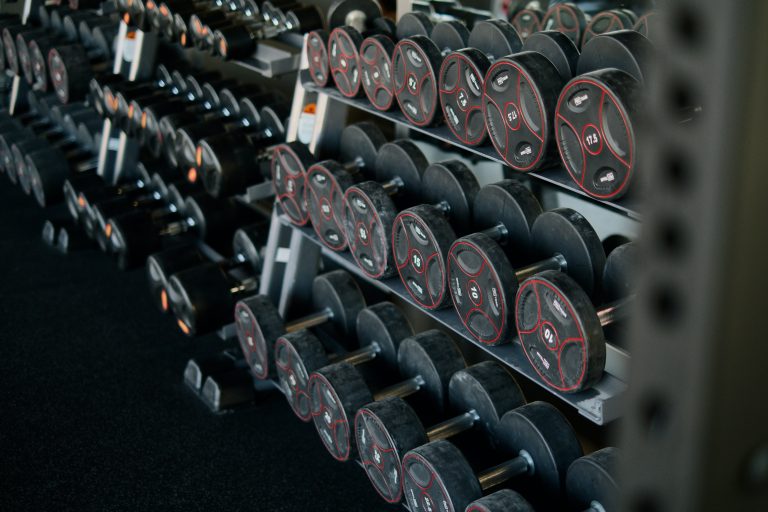
If youโ€™re building a home gym, dumbbells are one of the first things you should buy. The following will review the Best Dumbbells for Home Gym in 2026.

When I started prioritizing my health and weight loss, I didnโ€™t rely on complicated machines or expensive setups.

๐Ÿ‘‰ I used simple, reliable equipment โ€” and dumbbells were a big part of that.

You should also check out the Best Home Gym Equipment for Weight Loss that I recommend.

Quick Picks: Best Dumbbells for Home Gym

If you donโ€™t want to read everything, start here:

  • ๐Ÿ† Best Overall: PowerBlock Adjustable Dumbbells
    ๐Ÿ‘‰ View on Amazon
  • ๐Ÿ’ธ Best Budget Option: Adjustable 5โ€‘inโ€‘1 Dumbbell Set
    ๐Ÿ‘‰ Check on Amazon
  • ๐Ÿ‹๏ธ Best Traditional Set: Hex Dumbbell Set with Rack
    ๐Ÿ‘‰ See Options on Amazon

*This blog contains affiliate links, and if you make a purchase through these links, I may earn a small commission at no extra cost to you, ensuring transparency and supporting the maintenance of this site.

If youโ€™re comparing options quickly, hereโ€™s a simple breakdown:

DumbbellTypeWeight RangeBest ForLink
PowerBlock Adjustable DumbbellsAdjustableUp to 50+ lbsMost people / long-term useView on Amazon
Adjustable 5-in-1 Dumbbell SetAdjustableBeginner rangeBudget & beginnersView on Amazon
Hex Dumbbell Set with RackFixedMultiple setsFull home gymView on Amazon

But if youโ€™ve looked on Amazon, you already know the problem:

  • Too many options
  • Huge price differences
  • Confusing features

This guide breaks it down simply so you can choose the right dumbbells for your goals, not just the most popular ones.


Best Dumbbells for Home Gym

Why Dumbbells Are the Most Important Home Gym Tool

If I had to choose one piece of equipment, it would be dumbbells.

They allow you to:

  • Train your entire body
  • Build strength while losing fat
  • Progress over time without needing a full gym

And most importantlyโ€ฆ

๐Ÿ‘‰ Theyโ€™re simple and consistent โ€” which is exactly what works for longโ€‘term results.


What to Look for When Buying Dumbbells

Before you choose, here are the only things that actually matter:

1. Adjustable vs Fixed

  • Adjustable dumbbells
    • Save space
    • Replace multiple weights
    • Best for most people
  • Fixed dumbbells (hex sets)
    • Faster to use
    • More durable
    • Better for heavy lifting

๐Ÿ‘‰ If youโ€™re limited on space, go adjustable.


2. Weight Range

Make sure the set:

  • Starts light enough for beginners
  • Goes heavy enough to grow with you

๐Ÿ‘‰ A good starting range: 5โ€“50 lbs


3. Ease of Adjustment

Some adjustable dumbbells:

  • Take 30โ€“60 seconds to change
  • Interrupt your workout

Look for:

  • Quick dial systems
  • Pin-based systems (like PowerBlocks)

4. Comfort & Grip

This matters more than people think.

Bad grip = uncomfortable workouts = less consistency


Best Dumbbells for Home Gym (Detailed Picks)


๐Ÿ† PowerBlock Adjustable Dumbbells โ€“ Best Overall

Why I recommend them:

  • Very fast weight changes
  • Compact and easy to store
  • Durable design

โœ… Best for:

  • Most home gym setups
  • People who want long-term progression

โŒ Skip if:

  • You prefer traditional dumbbells
  • You want a more โ€œnaturalโ€ dumbbell feel

๐Ÿ’ธ Adjustable 5โ€‘inโ€‘1 Dumbbell Set โ€“ Best Budget Option

๐Ÿ‘‰ Check on Amazon

Why it works:

  • Affordable entry point
  • Multiple weights in one
  • Great for beginners

โœ… Best for:

  • Starting a home workout routine
  • Saving money

โŒ Skip if:

  • You want premium build quality
  • You plan to lift heavy long-term

๐Ÿ‹๏ธ Hex Dumbbell Set with Rack โ€“ Best Traditional Setup

๐Ÿ‘‰ View Options on Amazon

Why itโ€™s a solid choice:

  • Classic gym feel
  • Very durable
  • Quick to grab and use

โœ… Best for:

  • Dedicated home gym setups
  • People who train frequently

โŒ Skip if:

  • You have limited space
  • You want a compact solution

My Experience Using Dumbbells for Weight Loss

When I was losing weight, I didnโ€™t overcomplicate things.

I used dumbbells for:

  • Basic strength training
  • Short, consistent workouts
  • Supporting my daily activity (like walking)

๐Ÿ‘‰ The goal wasnโ€™t to become a bodybuilder.

It was to:

  • Maintain muscle
  • Burn more calories
  • Stay consistent

And dumbbells made that possible.


Do You Need Dumbbells to Lose Weight?

No.

But they help a lot.

Hereโ€™s why:

  • Strength training helps preserve muscle
  • More muscle = more calories burned over time
  • It balances out cardio (like walking)

๐Ÿ‘‰ Even 2โ€“3 sessions per week makes a difference.


Final Thoughts: Which Dumbbells Should You Choose?

If youโ€™re unsure, keep it simple:

  • Limited space โ†’ Adjustable dumbbells
  • Budget โ†’ 5โ€‘inโ€‘1 set
  • Full setup โ†’ Hex dumbbells with rack

Donโ€™t overthink it.

๐Ÿ‘‰ The best dumbbells are the ones youโ€™ll actually use consistently.

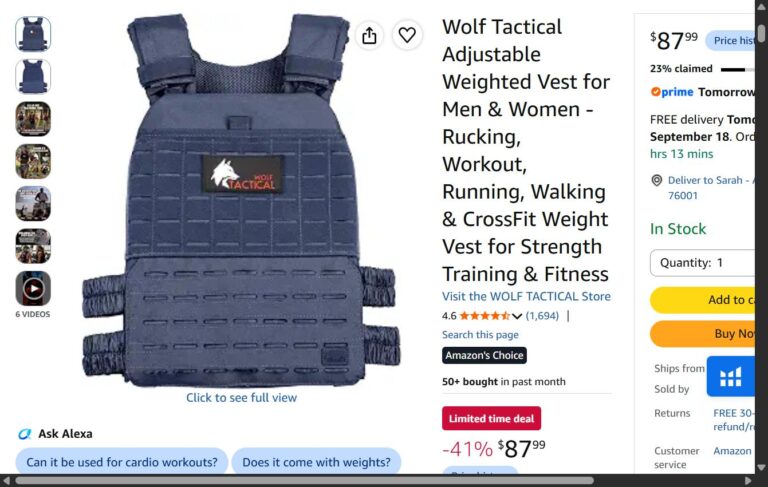
If interested in increasing your weight loss while working out, consider adding a Weighted Vest to your arsenal.

Dumbbells pair especially well with kettlebells if you want more dynamic, full-body movements โ€” see our full home gym guide for how it all fits together.

How to Count Macros

How to Count Macros

Embarking on a journey toward a healthier lifestyle involves understanding the intricacies of counting macros, or macronutrients, and their close relationship with caloric intake. This guide aims to provide a comprehensive overview of how to count macros for weight loss, incorporating a formula that connects macronutrients to calories. These insights are valuable for anyone seeking to optimize their nutritional habits with a keen eye on caloric balance.

Understanding Macros

Macronutrientsโ€”carbohydrates, proteins, and fatsโ€”are the primary components of our diet, each serving a unique purpose. To delve deeper, it’s essential to recognize their roles in energy provision, muscle maintenance, and overall cellular function.

Setting Your Goals

Understanding and customizing macronutrient ratios is crucial for individual goals, whether focused on weight loss, weight maintenance, or muscle building. Consideration of factors like age, weight, activity level, and metabolism is key in this process.

Calculating Macro Ratios and Calories

The connection between macros and calories lies in their energy content. The formula for calculating the caloric value of each macronutrient is as follows:

  1. Carbohydrates: 4 calories per gram
  2. Proteins: 4 calories per gram
  3. Fats: 9 calories per gram

To calculate the caloric intake from each macro, multiply the grams of that macro by its caloric value. The total caloric intake is the sum of these individual calculations.

Total Calories=(Carb gramsร—4)+(Protein gramsร—4)+(Fat gramsร—9)Total Calories=(Carb gramsร—4)+(Protein gramsร—4)+(Fat gramsร—9)

Tracking Macros and Calories

Effective monitoring and adjustment of macronutrient intake can be achieved by consistently tracking meals. Various tools and apps simplify this process, providing a clear picture of both macro and caloric consumption.

Choosing Whole Foods

While meeting macro targets is crucial, the quality of food matters equally. Opting for nutrient-dense, whole foods not only supports overall health but also enhances a sense of satiety, making it easier to maintain a calorie deficit for weight loss.

Adapting to Individual Needs

Flexibility is key when counting macros, as individual responses vary. Monitoring progress and adjusting macronutrient ratios and caloric intake accordingly ensures a personalized approach to nutritional goals.

Overcoming Challenges

Counting macros comes with challenges, such as social events and travel. Strategies to navigate these situations, emphasizing flexibility and long-term consistency, can significantly contribute to success.

Educating on Macronutrient Timing

Understanding the significance of timing in macronutrient consumption is crucial. Educate individuals on the benefits of pre and post-workout nutrition, as well as the advantages of distributing macros throughout the day.

Troubleshooting Plateaus

Weight loss journeys may encounter plateaus. Providing strategies to overcome these hurdles, such as adjusting macronutrient ratios and caloric intake, incorporating refeed days, or altering workout routines, equips individuals with the knowledge to navigate challenges and sustain progress.

Conclusion

How to Count macros for weight loss, closely connected to caloric balance, is a dynamic and individualized process applicable to anyone seeking a healthier lifestyle. By setting realistic goals, customizing macronutrient ratios, tracking intake, and addressing challenges, individuals can empower themselves to achieve lasting success on their journey toward improved well-being.

Once your macros are dialed in, it can help to look at the supplements that support that plan. On the food side, focus on hitting your fiber target and getting your protein number specifically dialed in, since both matter more than most people realize.

HIIT Workouts for Beginners

HIIT workout for Beginners


High-Intensity Interval Training (HIIT) is a workout strategy that alternates between short, intense bursts of exercise and periods of rest or lower-intensity activity. The primary goal of HIIT workouts for beginners is to elevate the heart rate during the high-intensity intervals, followed by a brief recovery period. This cycle is typically repeated multiple times within a single workout session. Prefer something lower-impact? Our Walking for Fat Loss guide covers a gentler approach that still delivers real results.

Here’s why HIIT is considered beneficial for fat loss:

Increased Caloric Burn:

The intense, short bursts of exercise during HIIT require a significant amount of energy. This can result in a higher calorie burn compared to steady-state cardio exercises. Even after the workout, the body continues to burn calories during the recovery period, known as excess post-exercise oxygen consumption (EPOC).

Efficient Time Investment:

HIIT workouts are often shorter in duration compared to traditional steady-state cardio workouts. This makes them a time-efficient option for individuals with busy schedules. Despite the shorter duration, HIIT can provide comparable or even superior results in terms of fat loss.

Elevated Metabolism:

HIIT increases resting metabolic rate. This means that even when you’re not exercising, your body continues to burn more calories at rest. This effect is attributed to the demands HIIT places on the body during and after the workout.

Preservation of Lean Muscle Mass:

Traditional steady-state cardio may lead to the loss of both fat and muscle mass. In contrast, HIIT has been shown to help preserve muscle mass while promoting fat loss. This is crucial for maintaining a lean and toned physique.

Improved Insulin Sensitivity:

HIIT can enhance insulin sensitivity, which is beneficial for overall metabolic health. Improved insulin sensitivity means that your body is better able to regulate blood sugar levels, reducing the likelihood of excess glucose being stored as fat.

Variety and Adaptability:

HIIT workouts can be adapted to various exercises and formats, providing a versatile and challenging training routine. This variety can help prevent boredom and plateaus in your fitness journey.

Increased Fat Oxidation:

HIIT enhances the body’s ability to oxidize fat for energy. This means that during and after HIIT workouts, the body becomes more efficient at using stored fat as a fuel source.

It’s important to note that while HIIT can be highly effective for fat loss, individual results may vary. Additionally, beginners should start with caution, gradually increasing the intensity and duration of their HIIT workouts for beginners to avoid injury. Consulting with a fitness professional or healthcare provider before starting any new exercise program is advisable, especially for individuals with pre-existing health conditions. If you’re ready to try a full routine, our Quick HIIT Exercise for Home Gym walks through a complete 15-minute session.

Here is an example of a full HIIT workout from home:

Warm-up: Perform each of the following exercises for 1 minute:

  1. Jumping jacks
  2. High knees
  3. Arm circles
  4. Bodyweight squats
  5. Jump rope (or simulate jump rope movements)

HIIT Circuit: Perform each exercise for 40 seconds, followed by a 20-second rest. Complete the entire circuit and then rest for 1-2 minutes before repeating for a total of 3 rounds.

Burpees:

Start in a standing position.

Drop into a squat position and place your hands on the floor.

Kick your feet back into a plank position.

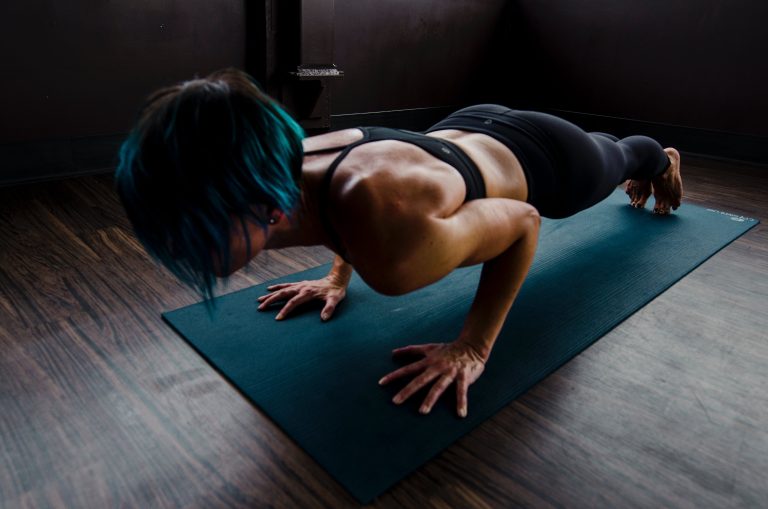
Perform a push-up.

Jump your feet back to the squat position.

Explosively jump up from the squat position.

Mountain Climbers:

Begin in a plank position.

Bring one knee toward your chest, then quickly switch legs.

Keep your core engaged and maintain a fast-paced movement.

Jump Lunges:

Start in a lunge position with one foot forward and one foot back.

Jump up, switching your legs in mid-air.

Land in a lunge position with the opposite leg forward.

Push-ups:

Maintain a plank position with hands shoulder-width apart.

Lower your body until your chest nearly touches the ground.

Push back up to the starting position.

Plank Jacks:

Begin in a plank position.

Jump your feet out to the sides and then back in while keeping your core engaged.

Squat Jumps:

Start with your feet shoulder-width apart.

Lower into a squat position.

Explosively jump up from the squat position.

High Plank Knee-to-Elbow:

Start in a high plank position.

Bring your right knee towards your right elbow, then switch to the left side.

Cool Down: Perform each stretch for 30 seconds:

  1. Downward Dog
  2. Childโ€™s Pose
  3. Seated Forward Bend
  4. Chest Opener Stretch
  5. Quadriceps Stretch

Remember to stay hydrated, listen to your body, and modify the workout as needed. If you have any existing health concerns, it’s advisable to consult with a fitness professional or healthcare provider before starting a new exercise program. Enjoy your HIIT workouts for beginners.