Benefits of Red Light Therapy for All People

Red Light Therapy

Red light therapy is a non-invasive treatment that has become increasingly popular over the past few years. The therapy involves using red and near-infrared light to promote healing, reduce inflammation, and improve overall well-being. In this blog, we will explore the benefits of this therapy and how it can help you.

What is Red Light Therapy?

Red light therapy is a form of phototherapy that uses low-level red and near-infrared light to stimulate cellular activity. The light is absorbed by the mitochondria, which are responsible for producing energy in the cells. When the mitochondria absorb the light, they produce more ATP (adenosine triphosphate), which is the primary source of energy for cells.

Red light therapy can be delivered through light emitting diode (LED) devices or lasers. LED devices emit a wider range of light wavelengths, while lasers emit a narrow beam of light at a specific wavelength.

Benefits of Therapy

Inflammation

  1. Reduces Inflammation

Inflammation is a natural response to injury or infection, but chronic inflammation can lead to many health problems, such as heart disease, diabetes, and cancer. Red light therapy has been shown to reduce inflammation by promoting the production of anti-inflammatory cytokines.

A study published in the Journal of Clinical Investigation found that therapy reduced inflammation in mice with rheumatoid arthritis. The therapy reduced the levels of pro-inflammatory cytokines and increased the levels of anti-inflammatory cytokines.

Wound Healing

  1. Promotes Wound Healing

Red light therapy has been shown to promote wound healing by stimulating the production of collagen and increasing blood flow to the area. Further, Collagen is a protein that is essential for wound healing, as it helps to form new tissue and repair damaged tissue.

A study in the Annals of Plastic Surgery found therapy improved wound healing in rats by increasing collagen.

Skin Health

  1. Improves Skin Health

Red light therapy is often used to improve skin health. It has been shown to reduce wrinkles, fine lines, and acne. The therapy works by increasing collagen production.

A study in the Journal of Cosmetic and Laser Therapy found therapy improved skin texture and reduced wrinkles. Another study published in the Journal of Clinical and Aesthetic Dermatology found that therapy reduced acne by 77%.

Red Light Therapy for Pain Relief

  1. Relieves Pain

Red light therapy has been shown to relieve pain by promoting the production of endorphins, which are natural painkillers. The therapy is often used to treat chronic pain conditions, such as arthritis and fibromyalgia.

A study published in the Journal of Athletic Training found that therapy reduced pain and inflammation in participants. Another study published in the Journal of Pain Research found that therapy reduced pain. Also, it improved quality of life in participants with fibromyalgia.

  1. Improves Sleep

Red light therapy has been shown to improve sleep by increasing the production of melatonin. Therefore, the therapy is often used to treat sleep disorders, such as insomnia.

A study published in the Journal of Sleep Research found that therapy improved sleep quality in participants. The therapy increased the production of melatonin and reduced the levels of cortisol.

Immunity

  1. Boosts Immune System

Red light therapy boosts the immune system. It increasing the production of white blood cells, which are responsible for fighting off infections and diseases. A study published in the Journal of Photochemistry and Photobiology B: Biology found that therapy increased the production of white blood cells in mice.

  1. Improves Joint Health

Red light therapy improves joint health by reducing inflammation and promoting the production of collagen. Therefore, the therapy treats joint pain and stiffness associated with conditions such as osteoarthritis.

A study published in the Journal of Photochemistry and Photobiology B: Biology found that therapy reduced inflammation and improved joint function in rats with osteoarthritis.

  1. Enhances Athletic Performance

RLT enhances athletic performance by reducing muscle fatigue and improving muscle recovery. The therapy improves athletic performance and reduce the risk of injury.

A study published in the European Journal of Applied Physiology found that therapy reduced muscle fatigue and improved muscle recovery in participants.

Red Light Therapy for Mental Health

  1. Improves Mood and Mental Health

RLT improves mood and mental health by reducing symptoms of depression and anxiety. The therapy works by increasing the production of serotonin.

A study published in the Journal of Affective Disorders found that therapy reduced symptoms of depression in participants. Furthermore, another study published in the Journal of Clinical Psychiatry found that therapy improved symptoms of anxiety.

  1. Reduces Scars

RLT reduces the appearance of scars by promoting collagen production and improving skin elasticity. The therapy treats scars caused by surgery, injury, or acne.

A study in the Journal of Investigative Dermatology found that therapy reduced the appearance of scars in participants. Also, another study found therapy improved the appearance of scars caused by acne.

Red Light Therapy Conclusion

RLT is a safe and effective treatment that offers many health benefits. It can relieve pain, improve sleep, boost the immune system, improve joint health. Also, therapy also can enhance athletic performance, improve mood and mental health, and reduce the appearance of scars.

I recommend trying this form of therapy. It is important to speak with a healthcare professional first to determine if it is right for you.

In conclusion, it is a promising treatment. It offers many health benefits and has the potential to improve the lives of many people.

Here is a great option that I recommend

Saunas for Health

Saunas have been used for thousands of years as a way to relax and improve overall health. Originating in Finland, saunas have since spread around the world and have become a popular way to unwind after a long day or to improve overall wellness. In this blog post, we will explore the many benefits of saunas and why you should consider incorporating sauna use into your routine.

What is a Sauna?

A sauna is a small room or space designed to provide heat and steam. Traditional saunas use wood-burning stoves to heat up rocks which then produce steam when water is added. More modern saunas may use electric heaters or infrared technology to produce heat.

Benefits of Saunas

  1. Improved Circulation

One of the main benefits of saunas is improved circulation. When you sit in a sauna, the heat causes your blood vessels to dilate, allowing more blood to flow through your body. This increased circulation can help to deliver oxygen and nutrients to your muscles and organs, which can help to improve overall health.

  1. Detoxification

Saunas are also great for detoxification. When you sweat in a sauna, your body is able to release toxins through your skin. This can help to improve your overall health and wellness by reducing the amount of toxins in your body.

  1. Stress Relief

Another benefit of saunas is stress relief. When you sit in a sauna, the heat causes your body to release endorphins, which are natural chemicals that make you feel good. This can help to reduce stress and anxiety, and promote relaxation.

  1. Improved Skin Health

Saunas can also be beneficial for your skin. The heat and steam can help to open up your pores and promote sweating, which can help to cleanse your skin and remove impurities. Additionally, the increased circulation can help to deliver nutrients and oxygen to your skin, which can promote healthy, glowing skin.

  1. Pain Relief

Saunas can also be beneficial for pain relief. The heat can help to relax your muscles and relieve tension, which can help to reduce pain and discomfort. Additionally, the increased circulation can help to deliver more oxygen and nutrients to your muscles, which can promote healing.

  1. Improved Immune Function

Saunas can also be beneficial for your immune system. The heat can help to stimulate your body’s natural defense mechanisms, which can help to improve your immune function. Additionally, the increased circulation can help to deliver more oxygen and nutrients to your immune cells, which can help to strengthen your immune system.

  1. Improved Cardiovascular Health

Saunas may also be beneficial for your cardiovascular health. The heat can help to dilate your blood vessels, which can help to lower your blood pressure and improve overall cardiovascular function. Additionally, the increased circulation can help to deliver more oxygen and nutrients to your heart and other organs, which can help to improve their overall function.

  1. Improved Athletic Performance

Saunas may also be beneficial for athletic performance. The increased circulation and oxygen delivery can help to improve muscle function and endurance, which can help to improve athletic performance. Additionally, the relaxation and stress relief benefits can help to improve mental focus and reduce pre-competition anxiety.

  1. Improved Sleep

Saunas may also be beneficial for sleep. The relaxation and stress relief benefits can help to promote better sleep and reduce insomnia. Additionally, the increased circulation and improved immune function can help to promote overall health and wellness, which can also improve sleep quality.

  1. Social Benefits

Finally, saunas can also provide social benefits. Sauna use is often a communal activity, and can provide a space for people to connect and socialize. This can help to improve overall mental health and wellness.

Sauna Safety

While saunas can provide many health benefits, it is important to use them safely. Here are some tips for safe sauna use:

  1. Stay Hydrated: It is important to stay hydrated while using a sauna. Drink plenty of water before and after using the sauna to prevent dehydration.
  2. Limit Time: Do not spend more than 15-20 minutes in a sauna at a time. Prolonged exposure to high temperatures can be dangerous.
  3. Cool Down: After using a sauna, allow yourself time to cool down before leaving the sauna. This can help to prevent dizziness or fainting.
  4. Avoid Alcohol: Do not consume alcohol before or during sauna use. Alcohol can increase your risk of dehydration and heat stroke.
  5. Seek Medical Advice: If you have any underlying medical conditions, such as heart disease or diabetes, consult with your doctor before using a sauna.

Types of Saunas

There are several different types of saunas available, each with their own unique benefits.

  1. Traditional Saunas: Traditional saunas use wood-burning stoves or electric heaters to produce heat and steam.
  2. Infrared Saunas: Infrared saunas use infrared technology to produce heat. Unlike traditional saunas, infrared saunas do not produce steam.
  3. Steam Rooms: Steam rooms use a combination of high humidity and heat to produce steam. Unlike saunas, steam rooms do not typically use dry heat.
  4. Portable Saunas: Portable saunas are small, portable units that can be used at home. These saunas typically use infrared technology to produce heat.

Conclusion

Saunas have been used for thousands of years as a way to improve health and wellness. From improved circulation to stress relief, the benefits of saunas are numerous. Whether you prefer a traditional sauna or a portable infrared sauna, incorporating sauna use into your routine can help to promote overall health and wellness. As with any health practice, it is important to use saunas safely and consult with your doctor if you have any underlying medical conditions.

If you are interested in purchasing a Sauna, there is very cost efficient and portable one on Amazon that I recommend. Here is the link:

https://amzn.to/3LJ77eX

Best Running Shoes for Weight Loss (What Actually Works)

When I started focusing on losing weight, I didn’t jump straight into running.

👉 I started with walking.

But one thing I realized quickly was this:

Your shoes matter more than you think.

In this guide, I’m going to break down the best running shoes for weight loss and daily movement, based on what actually works — not just what’s popular.

The wrong pair can lead to:

  • Sore feet
  • Knee pain
  • Lack of motivation

And that’s exactly what kills consistency.

On the other hand, the right running shoes can:

  • Make walking and running more comfortable
  • Help you stay consistent day after day
  • Support your joints while increasing activity

Quick Picks: Best Running Shoes for Weight Loss

If you want a fast answer, start here:

If you’re building a full setup at home, I put together a complete guide on the best home gym equipment for weight loss that covers everything you actually need.

If you want a quick side-by-side comparison, here’s a simple breakdown:

FeatureBrooksHOKASaucony
Best CategoryBest for BeginnersBest OverallBest for Durability
Cushion FeelBalanced and supportivePlush and ultra-softResponsive and balanced
Best ForNew runners and walkersEveryday running and recoveryHigh-mileage training
DurabilityVery goodGoodExcellent
Overall PersonalityReliable and beginner-friendlySoft, modern, and versatileDurable and performance-focused
Best Running Shoes for Weight Loss

Brooks Running Shoes — Best for Beginners

Brooks running shoes are known for dependable comfort and stability. Many beginner runners prefer Brooks because the shoes feel predictable, supportive, and easy to wear for both running and walking.

Brooks shoes are especially popular among:

  • Beginner runners
  • Walkers
  • Gym users
  • People standing all day
  • Those wanting reliable cushioning

If you want a safe and comfortable starting point, Brooks is one of the best options available.

HOKA Running Shoes — Best Overall

HOKA shoes have become extremely popular because of their soft cushioning and lightweight feel. They are designed to provide smooth transitions and extra comfort during long runs or recovery days.

HOKA shoes are often ideal for:

  • Long-distance runners
  • Recovery runs
  • Daily training
  • People wanting maximum cushioning
  • Runners with joint discomfort

For many runners, HOKA offers the best overall balance of comfort, performance, and modern shoe technology.

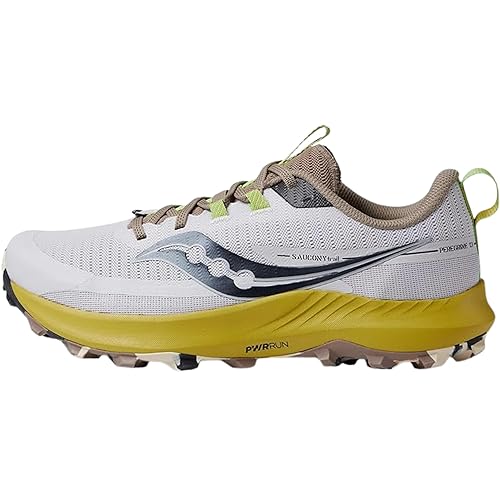
Saucony Running Shoes — Best for Durability

Saucony running shoes are widely respected for their long-lasting construction and responsive ride. Many runners choose Saucony because the shoes can handle high mileage while still feeling comfortable and energetic.

Saucony shoes are a strong choice for:

  • High-mileage runners
  • Daily training
  • Versatile workouts
  • Runners wanting long-lasting shoes
  • Those who prefer a responsive feel

If durability and long-term value matter most, Saucony is one of the top brands to consider.

Final Thoughts

All three brands are excellent choices, but the best option depends on your personal needs and running style.

  • Choose Brooks if you are a beginner wanting comfort and stability.
  • Choose HOKA if you want the best overall cushioning and comfort.
  • Choose Saucony if you want durability and long-lasting performance.

Trying on different shoes and finding the right fit for your feet is always the most important factor when choosing running shoes.

If you want to see how I actually used simple tools, walking, and consistency to lose weight, check out my full weight loss plan here. Or if you’re just getting started, this breakdown of how 10,000 steps a day helped me stay consistent is a good place to begin.

Weight Loss Mistakes

weight loss mistakes

Losing weight can be a challenging and frustrating process. Many people struggle to lose weight, despite their best efforts to eat well and exercise regularly which leads to making common weight loss mistakes. While there are many obvious factors that can impact weight loss, such as diet and physical activity, there are also many hidden factors that can hinder weight loss progress. In this blog post, we will explore some of the hidden things we do that can hinder weight loss and offer tips on how to overcome these obstacles.

Lack of sleep

Many people do not realize the impact that sleep can have on weight loss. When we do not get enough sleep, our bodies produce more cortisol, a stress hormone that can cause weight gain. Additionally, lack of sleep can lead to increased hunger and cravings, making it more difficult to stick to a healthy diet.

Solution: Aim for at least 7-8 hours of sleep each night. Try to establish a consistent sleep schedule, avoiding caffeine and electronics before bedtime, and creating a relaxing bedtime routine.

Stress

Stress can have a significant impact on our weight loss efforts. When we are stressed, our bodies produce cortisol, which can increase appetite and lead to weight gain. Additionally, stress can lead to emotional eating, which can make it difficult to stick to a healthy diet.

Solution: Identify the sources of stress in your life and find ways to manage them. This could include exercise, meditation, deep breathing, or talking to a friend or therapist. Find healthy ways to manage stress and avoid turning to food as a coping mechanism.

Lack of water

Drinking enough water is essential for weight loss, but many people do not drink enough. When we are dehydrated, our bodies can mistake thirst for hunger, leading to increased appetite and overeating.

Solution: Aim to drink at least 8 glasses of water per day. Carry a water bottle with you and drink water before meals to help you feel full.

Eating too quickly

Many of us eat too quickly, which can make it difficult for our bodies to register fullness. When we eat too quickly, we can overeat without even realizing it.

Solution: Take your time when you eat, chewing your food slowly and savoring each bite. Put your fork down between bites, and take breaks during the meal to check in with your hunger and fullness signals.

Mindless snacking

Snacking can be a healthy part of a balanced diet, but mindless snacking can be a major obstacle to weight loss. Mindless snacking, such as eating in front of the TV or while scrolling through social media, can lead to overeating and weight gain.

Solution: Be mindful of your snacking habits. Try to avoid snacking in front of the TV or while distracted. Plan your snacks in advance and portion them out to avoid overeating.

Eating too many processed foods

Processed foods are often high in calories, sugar, and unhealthy fats, making it difficult to lose weight. Additionally, processed foods can lead to increased cravings and overeating.

Solution: Focus on whole, unprocessed foods such as fruits, vegetables, lean proteins, and whole grains. Avoid processed foods as much as possible and read labels carefully to avoid hidden sugars and unhealthy fats.

Skipping meals

Skipping meals may seem like a good way to cut calories, but it can actually hinder weight loss. When we skip meals, our bodies can go into starvation mode, slowing down our metabolism and making it more difficult to lose weight.

Solution: Aim to eat regular meals throughout the day, including breakfast, lunch, and dinner. Include healthy snacks as needed to help you maintain energy and avoid overeating.

Too much alcohol

Alcohol can be a major obstacle to weight loss. Not only is alcohol high in calories, but it can also lead to overeating and poor food choices. Additionally, alcohol can lower our inhibitions and make it more difficult to stick to a healthy diet.

Solution: Limit your alcohol intake or avoid it altogether. If you do choose to drink, do so in moderation and make sure to choose lower calorie options, such as wine or light beer.

Lack of variety in your diet

Eating the same foods over and over again can lead to boredom and make it more difficult to stick to a healthy diet. Additionally, it can lead to nutrient deficiencies and make it harder to lose weight.

Solution: Mix things up by trying new foods and recipes. Experiment with different fruits, vegetables, grains, and proteins to keep things interesting and ensure that you are getting a wide range of nutrients.

Not tracking your progress

Tracking your progress can be a powerful tool for weight loss. When we track our food intake, exercise, and weight, we can see our progress over time and make adjustments as needed.

Solution: Keep a food diary or use a tracking app to monitor your food intake and exercise. Weigh yourself regularly and track your progress over time.

Negative self-talk

Negative self-talk can be a major obstacle to weight loss. When we beat ourselves up for eating the wrong thing or skipping a workout, we can become discouraged and give up on our weight loss goals.

Solution: Be kind to yourself and practice positive self-talk. Focus on the progress you have made and celebrate your successes, no matter how small. If you have a setback, be gentle with yourself and use it as an opportunity to learn and grow.

Unrealistic expectations

Setting unrealistic expectations for weight loss can be a major obstacle to success. When we expect to lose a lot of weight quickly, we can become discouraged and give up when we don’t see results right away.

Solution: Set realistic, achievable goals for weight loss. Focus on making small, sustainable changes to your diet and exercise habits, rather than trying to make drastic changes all at once. Celebrate your progress along the way, no matter how small.

In conclusion, there are many hidden factors that can hinder weight loss progress. By being mindful of these factors and taking steps to overcome them, we can improve our chances of success. Remember to be kind to yourself, set realistic goals, and focus on making small, sustainable changes to your diet and exercise habits. With patience, persistence, and a positive attitude, you can achieve your weight loss goals and live a healthier, happier life.

For more help, join our mailing list. Get a free PDF and video upon clicking the link!

Best Protein Powder

Best Protein Powder

A quick overview of the best protein powder, the differences between them, and my recommendation on what I choose to buy.

Different Types of Protein Powder

Before we compare brands, it is important to distinguish the different kinds of protein powders. There are a few basic types, including: Whey, Casein, Egg, Pea, Hemp, and Plant. Here is a quick description of each.

Whey: A fast-absorbing, milk-based protein that boosts muscle growth and recovery. Also aids in fat loss. Provides all 9 essential amino acids. Also promotes satiety (fullness).

Casein: A protein found in milk that gradually builds muscle mass and aids in fat loss.

Egg: Made from egg whites. Provides all 9 essential amino acids.

Pea: A high-fiber protein made from yellow split peas that promotes satiety (fullness).

Hemp: Plant-based protein that is rich in healthy fats and several essential amino acids.

Plant: A Plant-based protein that is blended in order to increase the positive effects on muscle health.

Of these proteins, I have chosen to focus on what I believe is the most effective in most cases, and the one that I use on a daily basis, WHEY!

Why Whey?

Whey is a complete, high-quality protein that contains all of the 9 essential amino acids required for optimal health. In addition, it is very digestible, absorbed from your gut quickly compared with other forms of proteins.

  1. Whey is an excellent source of High Quality Protein.
  2. It promotes Muscle Growth.
  3. Whey may help to lower blood pressure.
  4. It may help treat Type 2 Diabetes.
  5. It may also help reduce inflammation in the body.
  6. Whey has been found to be beneficial for Irritable Bowl Disease (IBD)
  7. It is highly satiating (filling)
  8. Whey aids in fat loss along with a healthy, high protein diet.

Popular Brands of Whey Protein

There is an endless amount of brands of Whey protein on the market. Here we will be focusing on 7.

ON – Optimum Nutrition

Optimum Nutrition Gold Standard Whey contains 24g protein per serving. It however contains a patented digestive enzyme blend and ultra-filtered microfiltration process that results in a low lactose product, an addition that sets ON apart from others. You can buy ON in a variety of flavors, such as chocolate peanut butter and cookies and cream.

https://amzn.to/3Hd02k4

BSN Syntha – 6

BSN Syntha-6 Edge Whey Protein Isolate Protein Powder contains whey protein isolate, which is one of the purest forms of whey protein in the industry. It also contains zero carbohydrates and has great forms of the 9 essential amino acids. It’s also rich in BCAAs and glutamine peptides that can aid in recovery after intense workouts.

https://amzn.to/3IVZ9xj

Naked Whey

Naked Nutrition Whey contains 25g of whey protein per serving. It also contains high qualities of the 9 essential amino acids to aid in building lean muscle.

Naked Nutrition Whey Protein Powder is free of artificial flavors or sweeteners. It’s also rich in vitamins and minerals like calcium, iron, magnesium, and potassium. The product contains zero cholesterol or sugar.

https://amzn.to/3XEsSze

Dymatize

It has a high protein content of 25g per serving. This protein product does not contain any lactose or cholesterol, helpful for those with allergies. It also contains high qualities of all 9 essential amino acids.

https://amzn.to/3WizmCH

GNC Amp

GNC Whey Pure Isolate is GNC’s protein powder. It has, as many brands, high quality amino acids and 25g of Protein per serving. This is high level of quality protein. It also contains zero sugars and 3g of carbohydrates.

https://amzn.to/3GPKlO6

BPN – Bare Performance Nutrition

Supports improved recovery and muscle protein synthesis necessary to build lean muscle. BPN contains 88% fast acting whey protein and 12% slow digesting casein protein. This allows for a slower release of protein, which the body breaks down into amino acids and makes for a thicker, more consistent and better tasting product. It also contains 25g of high quality whey protein with only 4g of net carbs.

https://amzn.to/3WhSZLg

Ghost

Ghost is the current whey protein that I have been using lately. I love the price point at $45 per 2 pound jug and think that the flavor is outstanding. I recently bought the Coffee Ice Cream and it tastes as such.

Ghost contains 25g of protein and only 2g of net carbohydrates. It contains high quality essential amino acids and is soy and gluten free. This protein is also great used in mixes for ice cream, pancakes, cookies, and other baked goodies. Give it a try!

https://amzn.to/3ZJWZqv

Weight Loss Myths

There are many myths about weight loss. Here are just a few.

Myth #1: Healthier Food is more expensive

The top of the list of weight loss myths is that food is more expensive the healthier it is. While eating from higher end organic sources may cost you more, there are many more options to eating healthy that can even be purchased at Walmart.

The idea is that you replace what you are eating with healthier alternatives. There are many healthy alternatives that cost the same and even sometimes cheaper than their unhealthy counterparts.

Yes, eating the dollar menu at McDonald’s is way cheaper than eating a healthy meal from Chipotle, but that’s an extreme. Plus, McDonald’s is a near guaranteed “heart attack in a box”.

Besides, eating out is the most expensive form of food consumption. When you eat healthier, many times you are choosing to cook meals at home. This leads to healthier eating because you can choose the ingredients you put in your food and know exactly how many calories, fat, carbs, and protein you are eating. This is also the cheaper option. That is why this is Myth #1.

Myth #2: Carbs Make You Fat

If I could write a book about this being one of the big weight loss myths, it would be this one. For one, which carbs are we talking about? Complex or simple? Second, fiber is a carb and is vitally important to our health.

Starchy fried foods are obviously detrimental to your health and can cause many health issues, like fatty liver disease, obesity, and high blood pressure. Yes starchy fried foods are loaded with carbs. However, there are other kinds of healthy and, indeed necessary carbohydrates.

Complex carbohydrates play a very important role in many of our necessary biological functions like digestion, metabolism, blood sugar regulation, hormone health, and even sleep patterns. Complex carbs also reduce the risk of type 2 diabetes and heart disease when properly balanced in our diets.

The takeaway is that we need to be more specific when talking about carbohydrate intake. Eat carbs, don’t go crazy with them, and make sure they are complex.

Myth #3: Exercising like a crazy person is the only way to lose weight fast

The rule of thumb is that weight loss is 80% diet and 20% exercise. You can exercise like the top athlete in the world and not lose one pound of fat if your diet is not on point. Let me explain with an example…

If you go to www.calculator.net/calories-burned-calculator.html, you can find out roughly how many calories you burn per activity you do. If you eat a cheeseburger from McDonalds, you have consumed 313 calories (according to their website). To burn 313 calories, you would have to run vigorously for approximately 1 hour (depending on your weight and level of difficulty).

I don’t know about you, but I think it would be much easier to swap something for the cheeseburger than run an hour.

I actually only run 1 to 2 times a week, and no more than 2 miles on average. I run very slow when I do and I hate it. Most of my exercise comes from walking 10,000 plus steps each day. I lost and continue to lose most of my weight due to changing my eating habits. Eating healthy is the most important key to losing weight. It has the greatest effect on weight loss.

Myth #4: Sit-ups are the best exercise for losing belly fat

While sit-ups are a great exercise, no one exercise is going to target fat loss to a specific body area. When you are in a burning state, and while exercising, your body loses fat on an overall scale. Wherever your fat has accumulated the most you will see the biggest changes.

Anaerobic exercises like weight lifting and sit-ups/crunches build muscle. Muscle burns fat, and there you have it. So, sit-ups are a great addition to your exercise routine, but they do not target fat loss in your belly alone.

Myth #5: “Low Fat” or “Reduced Fat” is the healthier choice.

Fat, like carbohydrates is another important component of a healthy diet and weight loss. Consuming too little fat it not healthy for our bodies. The USDA recommends getting up to 35% of your daily calories from fat. That is somewhere around 90-100 grams.

If you are eating “low fat” or “reduced fat” foods you can have one of too scenarios. Either it is still too high in fat (funny right?!) or it contains a higher amount of sugar in the ingredients. Either way, you need to learn to read the labels on food boxes to see what you actually consuming before buying a “low fat” or “reduced fat” product.

Still, the best way to control what you eat is to cook at home. That way you know exactly what you are putting in your body each meal.

Best Multivitamin

A quick comparison, and what I think is the best Multivitamin for overall health.

Best Multivitamin: Rainbow Light Men’s One Multivitamin

IngredientAmount per Serving
Vitamin A5,000 IU
Vitamin C120 mg
Vitamin D800 IU
Vitamin E30 IU
Vitamin K100 mcg
Thiamin25 mg
Riboflavin25 mg
Niacin25 mg
Vitamin B625 mg
Folic Acid800 mcg
Vitamin B1225 mcg
Biotin150 mcg
Vitamin B525 mg
Calcium50 mg
Magnesium25 mg
Zinc20 mg
Also Contains:
  • Men’s Strengthening Blend – 100 mg
    Saw Palmetto 2:1 Extract, Organic Spirulina, Lycopene 1,000 mcg
  • Vegetable Juice Complex – 10 mg
    4:1 extract, Kale, Spinach, Dandelion Greens, Beet
  • Complete Digestive Support – 34 mg
    Protease, Amylase, Lipase, Cellulase, ProbioActive (Bacillus coagulans 25 million CFU), Betaine HCI 10 mg

Comparison with other Top Brands

Why Rainbow Light is my choice for Best Multivitamin

I have been taking Rainbow Light Men’s One for 5 years. I have noticed a great improvement in my mood, my digestion, and my performance day in and day out. It contains Folic Acid for proper cell function and restoration at a level higher than other leading Multivitamins. Rainbow Light Men’s One also contains high levels of Vitamin K and Zinc, for proper immune system function (much needed since 2020!!).

I especially love the addition of the 34mg of Digestive Support in the form of Protease, Amylase, Lipase, Cellulase, ProbioActive (Bacillus coagulans 25 million CFU), and Betaine HCI (10 mg). My digestion has not been the same since adding this Multivitamin to my regimen.

I would highly recommend this Multivitamin to anyone that is looking to maintain optimal health and/or get healthy. I put this multivitamin as my “must have” and as the foundation in my supplement routine.

Below you will find the links to Rainbow Light’s Men’s One, Women’s One, Prenatal One (excellent for expecting mothers), Kid’s One, and Active Adult 50+. I hope that this information is helpful and that you find the addition of these multivitamins to be as life changing as they were for me.

Men’s One

https://amzn.to/3X1IMDf

Women’s One

https://amzn.to/3Z71nzK

Prenatal One

https://amzn.to/3WHIl1h

Kid’s One

https://amzn.to/3Z7enFu

Active Adult 50+

https://amzn.to/3ii4oMS

Weight Loss Apps

A comparison of different weight loss apps (free and paid)

Below you will find a quick comparison of different weight loss apps and the pros/cons of each. There is also an easy-to-follow chart at the bottom comparing each one.

Cronometer (Free; premium $8.99/mo or $49.99/yr)

Pros: Tracks more nutrients than other apps, access to blog and Question and Answers from other users, Syncs with popular accessories like Fitbit and Garmin

Cons: Subscription required for pro tools

Lose It! (Free; optional $9.99/mo or 39.99/yr)

Pros: Contains a large food and restaurant database, User-friendly database containing helpful articles and recipes, includes macronutrient tracking with percentages and charts of each (protein, fats, carbohydrates)

Cons: Doesn’t track vitamins and minerals (not absolutely necessary)

My Fitness Pal (Free; optional $9.99/mo or $49.99/yr)

Pros: User friendly, Macronutrient Tracking (with subscription), Large food and restaurant database from popular places and grocery stores

Cons: Pro features only offered with a subscription

Noom ($59/mo or $199/year)

Pros: One-on-One Coaching, Uses psychology to train you in behavior modification, Daily Articles with quizzes and challenges, reminders to track meals, Food and Exercise Log, a smart color-coded system based on caloric density

Cons: Price and no free option available

Use this chart as a quick reference guide:

Free versionMonthly subscriptionProsCons
Cronometeryes$8.99/mo or $49.99/yr (optional)Tracks more nutrients than others
Access to blog plus Q&A
Syncs with Fitbit & Garmin
Subscription required for pro tools
Lose It!yes$9.99/mo or $39.99/yr (optional)Large Food/restaurant database
User-Friendly Database of helpful Articles Macronutrient Tracking
Doesn’t track vitamins and minerals
MyFitnessPalyes$9.99/mo or $39.99/yr (optional)User-Friendly Macronutrient Tracking
Large food/restaurant database
Database of helpful articles and recipes
Pro features only with subscription
Noomno$59/mo or $199/yr1-on-1 coaching
Behavior Modification
Library of Educational ResourcesFood and Exercise Log
Color-coded system based on caloric density
Price
No free version

Simple Weight Loss Plan That Actually Works (My Daily Routine)

Losing weight can feel overwhelming, especially if you don’t have a clear plan to follow.

The truth is, most people fail because they overcomplicate things.

In this simple weight loss plan, I’ll show you my simple daily weight loss routine that has helped me consistently lose weight without stress or confusion.

Studies suggest that having a structured plan increases your chances of weight loss success.

Who This Weight Loss Plan Is For This plan is best for:

– Beginners trying to lose weight

– People who want a simple routine

– Anyone struggling with consistency

If you want a complicated fitness program, this is not it. This is for people who want something simple that works.

While a calorie deficit is key, the exact numbers can vary depending on your body and metabolism.

If you’re looking for a practical, easy-to-follow plan—you’re in

For recommendation on making your home the best place to lose weight, check out Best Home Gym Equipment for Weight Loss (Simple Setup That Actually Works)

weight loss plan

Morning Routine (Start Your Day Right)

Your morning sets the tone for your entire day.

✅ Go to the bathroom first (for an accurate weigh-in) 

✅ Weigh yourself daily to track progress 

✅ Drink a full glass of water immediately 

✅ Take your vitamins (optional) 

💡 **Tip:** Hydrating first thing helps wake up your body and kickstart your metabolism.


Breakfast (Or Intermittent Fasting)

Most days, I skip breakfast using **intermittent fasting** (I’ll cover this in another post).

If you DO eat breakfast:

✅ Focus on protein (eggs, lean meats, Greek yogurt) 

✅ Avoid high-sugar foods (pancakes, cereal, waffles) 

✅ Keep carbs low and balanced 

🚫 Sugar-heavy meals can spike insulin and slow fat loss.


Lunch (Fuel Your Body Properly)

Lunch is where you should prioritize **protein, fats, and balanced nutrition**.

Protein Rule (Simple Method):

Try to eat **close to your bodyweight in grams of protein per day**.

Example:

– 200 lbs = ~200g protein daily 

– Split across meals (~60–70g per meal)

✅ Eat:

– Lean protein (chicken, turkey, fish, beef) 

– Healthy fats (avocado, nuts, olive oil) 

– Controlled carbs 

💡 Consistency matters more than perfection.


Dinner (Keep It Clean & Simple)

Dinner should help your body stay in fat-burning mode.

✅ Lean protein (fish, chicken, steak) 

✅ Vegetables (broccoli, spinach, etc.) 

✅ Lower carb intake 

🚫 Avoid:

– Sugary drinks 

– Desserts 

– Late-night snacking 


Exercise (Don’t Skip This)

Weight loss isn’t just about food—movement matters.

Aim for:

– 30–45 minutes of activity daily 

– Walking, lifting, or cardio 

✅ Focus on consistency over intensity 

✅ Even simple daily walking makes a big impact 


Hydration (Extremely Important)

Water plays a huge role in fat loss.

Aim for:

– 0.5 to 1 gallon of water per day 

✅ Helps reduce hunger 

✅ Improves performance 

✅ Supports fat metabolism 


Sleep & Recovery

Sleep is one of the most overlooked parts of weight loss.

Aim for:

– 7–9 hours per night 

Poor sleep can:

– Increase cravings 

– Slow down fat loss 

– Reduce energy 


The Most Important Rule: Calorie Deficit

To lose weight, you must be in a calorie deficit.

That means:

👉 Burning more calories than you consume

While numbers can vary, consistency is the key factor.


Final Thoughts

A successful weight loss plan does NOT need to be complicated.

Focus on:

– Consistency 

– High protein intake 

– Daily movement 

– Staying in a calorie deficit 

Stick with the basics, stay disciplined, and results will come.

Losing weight can feel overwhelming—especially if you don’t have a clear, simple plan to follow.


Ready to Start?

If this helped you:

✅ Save this weight loss plan 

✅ Share it with someone trying to lose weight 

✅ Check out my other posts on intermittent fasting and fat loss 

Let’s keep making progress 💪

Do Hard Things

I decided to go on a run today in my neighborhood park, and I hate running! But I also have made a decision to Do Hard Things! However, when I run and listen to my podcasts, ideas start flowing in my mind. After around 1.5 miles I decided to stop running, walk, and record a video of the thoughts I had in my head.

Let Me Set the Scene…

It was raining outside today in Arlington, Texas and the temperature was around 65 degrees. I sat in my living room recliner for about 10 minutes staring out the window at the weather. After about 10 minutes, I laced up my shoes and ran out the door. I ran down the street, on the wooded trail by the playground, and through the wooded trail that runs near my house. I observed many animals, including Peacocks (we have about 50 in our neighborhood). It wasn’t raining hard, but just enough to be annoying.

That’s when my mind started racing. I stopped and began recording a video about the thoughts in my head.

We can’t change our circumstances, or the weather, or how people around us react. We don’t have control over the economy or the government, on a large scale. What we DO have control is our choices! We can choose to Do Hard Things! Here is the link to an amazing book that talks about the science of doing hard things:

Do Hard Things Every Day, Now…

I didn’t always make the decision to take the “road less traveled” (Thank you Robert Frost). I would often do the easiest, cheapest, least time-consuming things. What this got me was laziness, tiredness, and depression. I ate poorly-made fast food, watched hours-on-end of TV, and stared at my phone while lounging on the couch most afternoons. Trust me, the easier thing is just that, easier! Also, it is not in any way better for you and your health, both physical and mental.

After a mental breakdown 5 years ago I sought after help. I went to a counselor and explored many tools that would eventually allow me to rewire my brain. Scientists call this Neuroplasticity. It is the ability for our brains to create new connections and default to the things that used to be hard. The only thing we have to do is choose to do the hard thing day after day. Eventually, it becomes the norm for our bodies and minds.

I hope that you will make the choice today to Do Hard Things every day. Join me on my journey and CHOOSE to lose weight starting today!